
Home
The Early Anglo-Saxon Kings
Barnes and Noble
Loading Inventory...
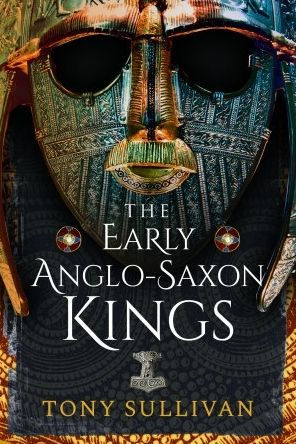
The Early Anglo-Saxon Kings in Chattanooga, TN
Current price: $36.95
Barnes and Noble
The Early Anglo-Saxon Kings in Chattanooga, TN
Current price: $36.95
Loading Inventory...
Size: Hardcover
The book takes a new look at the archaeological and literary evidence and focuses on the fragmenting Diocese, provincial and civitas structures of postRoman Britain.
The book takes a new look at the archaeological and literary evidence and focuses on the fragmenting Diocese, provincial and civitas structures of postRoman Britain. It places events in the context of increased Germanic immigration alongside evidence for significant continuation of population and land use. Using evidence from fifth century Gaul it demonstrates dynamic changes to cultural identities both within and across various groups.
Covering the migration period it describes the foundation stories of Hengest and Horsa in Kent, Cerdic and Cynric, first kings of the West Saxons and Ælle founder of the kingdom of the South Saxons. Ælle is the first king Bede describes as holding imperium and the AngloSaxon Chronicle calls Bretwalda. Covering the figures of Ceawlin, Æthelberht and Rædwald it ends with the death of Penda, the last great pagan king.
As life under Roman authority faded into history we see the emergence of a ‘warband’ culture and the emergence of petty kingdoms. The mead hall replaced crumbling villas and towns as the center of social life. These halls rang with the poems of bards and the stories of great warriors and battles. Arthur and Urien of Rheged. The famous Mons Badonicus and the doomed charge of the Gododdin at Catraeth. A chapter on weapons, armor, warfare and accounts of contemporary battles will help paint a picture of dark age warfare. From the arrival of Saxon mercenaries in the fifth century to the death of Penda, the last pagan king, at Winwaed in 655.
The book takes a new look at the archaeological and literary evidence and focuses on the fragmenting Diocese, provincial and civitas structures of postRoman Britain. It places events in the context of increased Germanic immigration alongside evidence for significant continuation of population and land use. Using evidence from fifth century Gaul it demonstrates dynamic changes to cultural identities both within and across various groups.
Covering the migration period it describes the foundation stories of Hengest and Horsa in Kent, Cerdic and Cynric, first kings of the West Saxons and Ælle founder of the kingdom of the South Saxons. Ælle is the first king Bede describes as holding imperium and the AngloSaxon Chronicle calls Bretwalda. Covering the figures of Ceawlin, Æthelberht and Rædwald it ends with the death of Penda, the last great pagan king.
As life under Roman authority faded into history we see the emergence of a ‘warband’ culture and the emergence of petty kingdoms. The mead hall replaced crumbling villas and towns as the center of social life. These halls rang with the poems of bards and the stories of great warriors and battles. Arthur and Urien of Rheged. The famous Mons Badonicus and the doomed charge of the Gododdin at Catraeth. A chapter on weapons, armor, warfare and accounts of contemporary battles will help paint a picture of dark age warfare. From the arrival of Saxon mercenaries in the fifth century to the death of Penda, the last pagan king, at Winwaed in 655.
The book takes a new look at the archaeological and literary evidence and focuses on the fragmenting Diocese, provincial and civitas structures of postRoman Britain.
The book takes a new look at the archaeological and literary evidence and focuses on the fragmenting Diocese, provincial and civitas structures of postRoman Britain. It places events in the context of increased Germanic immigration alongside evidence for significant continuation of population and land use. Using evidence from fifth century Gaul it demonstrates dynamic changes to cultural identities both within and across various groups.
Covering the migration period it describes the foundation stories of Hengest and Horsa in Kent, Cerdic and Cynric, first kings of the West Saxons and Ælle founder of the kingdom of the South Saxons. Ælle is the first king Bede describes as holding imperium and the AngloSaxon Chronicle calls Bretwalda. Covering the figures of Ceawlin, Æthelberht and Rædwald it ends with the death of Penda, the last great pagan king.
As life under Roman authority faded into history we see the emergence of a ‘warband’ culture and the emergence of petty kingdoms. The mead hall replaced crumbling villas and towns as the center of social life. These halls rang with the poems of bards and the stories of great warriors and battles. Arthur and Urien of Rheged. The famous Mons Badonicus and the doomed charge of the Gododdin at Catraeth. A chapter on weapons, armor, warfare and accounts of contemporary battles will help paint a picture of dark age warfare. From the arrival of Saxon mercenaries in the fifth century to the death of Penda, the last pagan king, at Winwaed in 655.
The book takes a new look at the archaeological and literary evidence and focuses on the fragmenting Diocese, provincial and civitas structures of postRoman Britain. It places events in the context of increased Germanic immigration alongside evidence for significant continuation of population and land use. Using evidence from fifth century Gaul it demonstrates dynamic changes to cultural identities both within and across various groups.
Covering the migration period it describes the foundation stories of Hengest and Horsa in Kent, Cerdic and Cynric, first kings of the West Saxons and Ælle founder of the kingdom of the South Saxons. Ælle is the first king Bede describes as holding imperium and the AngloSaxon Chronicle calls Bretwalda. Covering the figures of Ceawlin, Æthelberht and Rædwald it ends with the death of Penda, the last great pagan king.
As life under Roman authority faded into history we see the emergence of a ‘warband’ culture and the emergence of petty kingdoms. The mead hall replaced crumbling villas and towns as the center of social life. These halls rang with the poems of bards and the stories of great warriors and battles. Arthur and Urien of Rheged. The famous Mons Badonicus and the doomed charge of the Gododdin at Catraeth. A chapter on weapons, armor, warfare and accounts of contemporary battles will help paint a picture of dark age warfare. From the arrival of Saxon mercenaries in the fifth century to the death of Penda, the last pagan king, at Winwaed in 655.
You May Also Like







More About Barnes and Noble at Hamilton Place
Barnes & Noble is the world’s largest retail bookseller and a leading retailer of content, digital media and educational products. Our Nook Digital business offers a lineup of NOOK® tablets and e-Readers and an expansive collection of digital reading content through the NOOK Store®. Barnes & Noble’s mission is to operate the best omni-channel specialty retail business in America, helping both our customers and booksellers reach their aspirations, while being a credit to the communities we serve.
2100 Hamilton Pl Blvd, Chattanooga, TN 37421, United States
Find Barnes and Noble at Hamilton Place in Chattanooga, TN
Visit Barnes and Noble at Hamilton Place in Chattanooga, TN
