
Home
The Digitalised Image of God: Artificial Intelligence, Liturgy, and Ethics
Barnes and Noble
Loading Inventory...
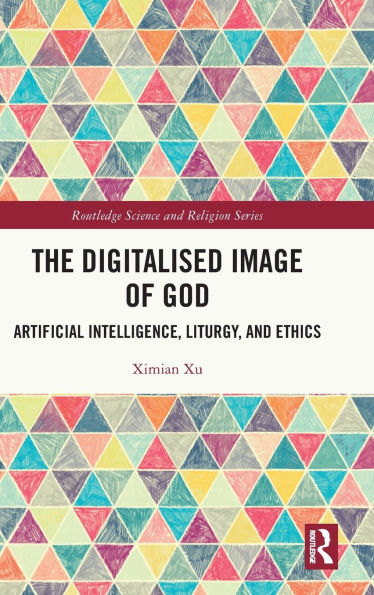
The Digitalised Image of God: Artificial Intelligence, Liturgy, and Ethics in Chattanooga, TN
Current price: $200.00
Barnes and Noble
The Digitalised Image of God: Artificial Intelligence, Liturgy, and Ethics in Chattanooga, TN
Current price: $200.00
Loading Inventory...
Size: Hardcover
This book focuses on the idea of the
imago Dei
to engaging theologically with artificial intelligence (AI). It reflects on how enormous progress in the development of AI has raised some challenges to Christian theology. Questions explored include: is AI created in the
? If so, does AI challenge the uniqueness of the human being as the
? If not, could AI be incorporated into human communities as a human companion in the same way as a natural human person? Would AI eventually develop to have human-level consciousness and be capable of performing liturgies and ethical actions? Bringing to light the radical distinction between the
and the
imago hominis
, the book constructs a theo-ontological foundation for AI and draws on the Reformed theology of archetype–ectype as a metaphysical tool to deploy a holistic account of the
in theology–AI dialogues. The author argues that the
is the signifier of the beginning both of God–human stories and stories of human ethical performances towards others. From the perspective of the image of the
, it can be argued that AI can somehow participate into the narration of these religious and ethical stories.
This book will be of particular interest to scholars of theology and those working in the field of religion and science/technology.
imago Dei
to engaging theologically with artificial intelligence (AI). It reflects on how enormous progress in the development of AI has raised some challenges to Christian theology. Questions explored include: is AI created in the
? If so, does AI challenge the uniqueness of the human being as the
? If not, could AI be incorporated into human communities as a human companion in the same way as a natural human person? Would AI eventually develop to have human-level consciousness and be capable of performing liturgies and ethical actions? Bringing to light the radical distinction between the
and the
imago hominis
, the book constructs a theo-ontological foundation for AI and draws on the Reformed theology of archetype–ectype as a metaphysical tool to deploy a holistic account of the
in theology–AI dialogues. The author argues that the
is the signifier of the beginning both of God–human stories and stories of human ethical performances towards others. From the perspective of the image of the
, it can be argued that AI can somehow participate into the narration of these religious and ethical stories.
This book will be of particular interest to scholars of theology and those working in the field of religion and science/technology.
This book focuses on the idea of the
imago Dei
to engaging theologically with artificial intelligence (AI). It reflects on how enormous progress in the development of AI has raised some challenges to Christian theology. Questions explored include: is AI created in the
? If so, does AI challenge the uniqueness of the human being as the
? If not, could AI be incorporated into human communities as a human companion in the same way as a natural human person? Would AI eventually develop to have human-level consciousness and be capable of performing liturgies and ethical actions? Bringing to light the radical distinction between the
and the
imago hominis
, the book constructs a theo-ontological foundation for AI and draws on the Reformed theology of archetype–ectype as a metaphysical tool to deploy a holistic account of the
in theology–AI dialogues. The author argues that the
is the signifier of the beginning both of God–human stories and stories of human ethical performances towards others. From the perspective of the image of the
, it can be argued that AI can somehow participate into the narration of these religious and ethical stories.
This book will be of particular interest to scholars of theology and those working in the field of religion and science/technology.
imago Dei
to engaging theologically with artificial intelligence (AI). It reflects on how enormous progress in the development of AI has raised some challenges to Christian theology. Questions explored include: is AI created in the
? If so, does AI challenge the uniqueness of the human being as the
? If not, could AI be incorporated into human communities as a human companion in the same way as a natural human person? Would AI eventually develop to have human-level consciousness and be capable of performing liturgies and ethical actions? Bringing to light the radical distinction between the
and the
imago hominis
, the book constructs a theo-ontological foundation for AI and draws on the Reformed theology of archetype–ectype as a metaphysical tool to deploy a holistic account of the
in theology–AI dialogues. The author argues that the
is the signifier of the beginning both of God–human stories and stories of human ethical performances towards others. From the perspective of the image of the
, it can be argued that AI can somehow participate into the narration of these religious and ethical stories.
This book will be of particular interest to scholars of theology and those working in the field of religion and science/technology.
You May Also Like













More About Barnes and Noble at Hamilton Place
Barnes & Noble is the world’s largest retail bookseller and a leading retailer of content, digital media and educational products. Our Nook Digital business offers a lineup of NOOK® tablets and e-Readers and an expansive collection of digital reading content through the NOOK Store®. Barnes & Noble’s mission is to operate the best omni-channel specialty retail business in America, helping both our customers and booksellers reach their aspirations, while being a credit to the communities we serve.
2100 Hamilton Pl Blvd, Chattanooga, TN 37421, United States
Find Barnes and Noble at Hamilton Place in Chattanooga, TN
Visit Barnes and Noble at Hamilton Place in Chattanooga, TN
