
Home
The Difference Between Western and Zen-Buddhist Thinking: A Western Commentary on Masao Abe's "The Self in Jung and Zen"
Barnes and Noble
Loading Inventory...
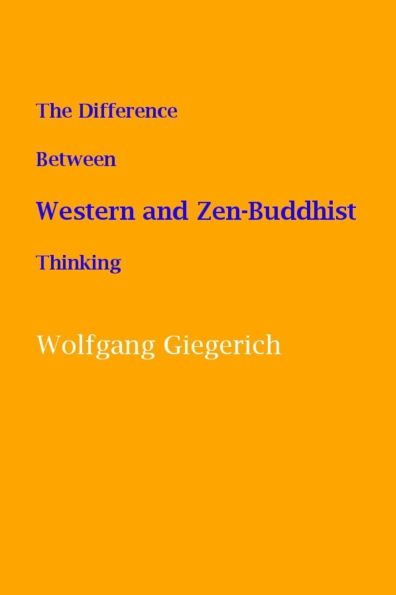
The Difference Between Western and Zen-Buddhist Thinking: A Western Commentary on Masao Abe's "The Self in Jung and Zen" in Chattanooga, TN
Current price: $18.00
Barnes and Noble
The Difference Between Western and Zen-Buddhist Thinking: A Western Commentary on Masao Abe's "The Self in Jung and Zen" in Chattanooga, TN
Current price: $18.00
Loading Inventory...
Size: OS
When psychology turns to religions or other cultural traditions and phenomena, it looks at them with a different objective from the one that such disciplines as that of history or religious studies have. Psychology views these phenomena as products and manifestations of the soul. Instead of trying to find out what a culture's highest values, teachings and convictions
mean
, psychology has rather the task of seeing through to the
soul's logical life
that animates them. It is in this spirit that this book examines such a Zen-Buddhist goal as the Great Awakening, the ontology of Emptiness, the thesis of the absolute oneness of knower and known, and the "aesthetic solution" to conflicts characteristic of Zeninspired Japan, and confronts and contrasts them with the soul dynamic at work in phenomena most representative of Western thinking, such as the emergence of the monotheistic God, the implications of the Socratic dictum, "I know that I know nothing", and the Western I. This confrontation sharpens the mutual contours. The analyses of this book may help Japanese readers to grasp more clearly the
inner logic
of Zen and their own culture, while reminding Western readers of their own Western tradition, its pulsating inner life, and what is at stake in it.
mean
, psychology has rather the task of seeing through to the
soul's logical life
that animates them. It is in this spirit that this book examines such a Zen-Buddhist goal as the Great Awakening, the ontology of Emptiness, the thesis of the absolute oneness of knower and known, and the "aesthetic solution" to conflicts characteristic of Zeninspired Japan, and confronts and contrasts them with the soul dynamic at work in phenomena most representative of Western thinking, such as the emergence of the monotheistic God, the implications of the Socratic dictum, "I know that I know nothing", and the Western I. This confrontation sharpens the mutual contours. The analyses of this book may help Japanese readers to grasp more clearly the
inner logic
of Zen and their own culture, while reminding Western readers of their own Western tradition, its pulsating inner life, and what is at stake in it.
When psychology turns to religions or other cultural traditions and phenomena, it looks at them with a different objective from the one that such disciplines as that of history or religious studies have. Psychology views these phenomena as products and manifestations of the soul. Instead of trying to find out what a culture's highest values, teachings and convictions
mean
, psychology has rather the task of seeing through to the
soul's logical life
that animates them. It is in this spirit that this book examines such a Zen-Buddhist goal as the Great Awakening, the ontology of Emptiness, the thesis of the absolute oneness of knower and known, and the "aesthetic solution" to conflicts characteristic of Zeninspired Japan, and confronts and contrasts them with the soul dynamic at work in phenomena most representative of Western thinking, such as the emergence of the monotheistic God, the implications of the Socratic dictum, "I know that I know nothing", and the Western I. This confrontation sharpens the mutual contours. The analyses of this book may help Japanese readers to grasp more clearly the
inner logic
of Zen and their own culture, while reminding Western readers of their own Western tradition, its pulsating inner life, and what is at stake in it.
mean
, psychology has rather the task of seeing through to the
soul's logical life
that animates them. It is in this spirit that this book examines such a Zen-Buddhist goal as the Great Awakening, the ontology of Emptiness, the thesis of the absolute oneness of knower and known, and the "aesthetic solution" to conflicts characteristic of Zeninspired Japan, and confronts and contrasts them with the soul dynamic at work in phenomena most representative of Western thinking, such as the emergence of the monotheistic God, the implications of the Socratic dictum, "I know that I know nothing", and the Western I. This confrontation sharpens the mutual contours. The analyses of this book may help Japanese readers to grasp more clearly the
inner logic
of Zen and their own culture, while reminding Western readers of their own Western tradition, its pulsating inner life, and what is at stake in it.
You May Also Like













More About Barnes and Noble at Hamilton Place
Barnes & Noble is the world’s largest retail bookseller and a leading retailer of content, digital media and educational products. Our Nook Digital business offers a lineup of NOOK® tablets and e-Readers and an expansive collection of digital reading content through the NOOK Store®. Barnes & Noble’s mission is to operate the best omni-channel specialty retail business in America, helping both our customers and booksellers reach their aspirations, while being a credit to the communities we serve.
2100 Hamilton Pl Blvd, Chattanooga, TN 37421, United States
Find Barnes and Noble at Hamilton Place in Chattanooga, TN
Visit Barnes and Noble at Hamilton Place in Chattanooga, TN
