
Home
The Crucible
Barnes and Noble
Loading Inventory...
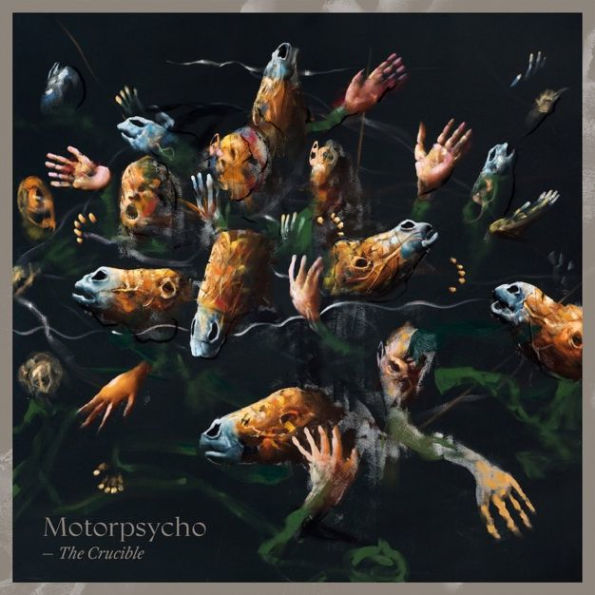
The Crucible in Chattanooga, TN
Current price: $17.99
Barnes and Noble
The Crucible in Chattanooga, TN
Current price: $17.99
Loading Inventory...
Size: OS
When Norway's
Motorpsycho
released the sprawling double-length
The Tower
in 2017, it was a major event. Recorded at Rancho de Luna studios in Joshua Tree with new drummer
Tomas Jaermyr
, it swerved through progressive rock, psych, and vanguard metal riffage. By the accounts of most fans and critics, it was among the most ambitious and successful recordings in
's three-decade career. After a single listen, it's obvious that
The Crucible
, co-produced by
Andrew Scheps
and
Deathprod
, is a sequel: it begins where
Here Be Monsters
, their last offering, ended. That said, it contains a unique flavor and aesthetic. While only half its predecessor's length, the album is denser and more focused in all areas. Recorded in Wales and several studios in Norway --
's Audio Virus Lab among them -- its three extended tracks range between eight-and-a-half and 20 minutes. Two cuts here -- "Lux Aeterna" and the title track -- are actually multi-part suites cutting across multiple genres, time signatures, keys, dynamics, and textures. The most prominent references in the music here are
Black Sabbath
,
King Crimson
(especially with the abundant use of Mellotrons), and
Yes
, with abundant nods elsewhere.
use these references not for the sake of cleverness but to frame new compositional architectures and musical structures. These guys aren't motivated by commercial success -- they could care less if punters like it or not -- they set their own rules. Opener "Psychotzar" is closest to classic "psycho rock." Its nasty bass and guitar riffs recall
Sabbath
and it's drenched in stoner rock, complete with
Hans Magnus Ryan
's two squalling guitar solos. After the second one, it downshifts into a doomy, opaque power ballad with
Bent Saether
Ryan
sharing harmony vocals until it all falls into a drone. "Lux Aeterna" is the most beautiful track here. Over ten-minutes long, its labyrinthine construction is introduced by acoustic guitars, Mellotron, and vocals that recall
CSN
(
Susanna Wallumrod
guests in the three-part harmony) before a filthy overcharged bassline, crashing, rolling drums, punched-up Mellotrons, and
Lars Horntveth
's reeds enter regally, opening the entire tune up into a
Crimson
-esque jam that wouldn't have been out of place on
In the Wake of Poseidon
. It changes shape again for chaotic, deep prog, improvisation, and psychedelia before building to a sublime, wonderfully assonant conclusion. In many ways, the 20-minute title piece feels like a suite that bridges the previous two numbers as it contains elements of both, though it goes beyond either in reach and expression. During this long journey,
quotes from
's "Larks Tongues in Aspic, Pt. 2," and "Red" approaches
'
Tales from Topographic Oceans
Gentle Giant
's
Octopus
, but it also moves through noise rock, stoner metal, European free jazz,
Thin Lizzy
, late
Beatles
, and more. It constantly changes shape and dynamic, electric and acoustic, as it moves to an opaque horizon. Easily as satisfying as
builds on its predecessor's achievement with brilliant composition, inspired performance, and consummate musicianship. It is an excellent example of how to mine rock's past in order to discover its future. ~ Thom Jurek
Motorpsycho
released the sprawling double-length
The Tower
in 2017, it was a major event. Recorded at Rancho de Luna studios in Joshua Tree with new drummer
Tomas Jaermyr
, it swerved through progressive rock, psych, and vanguard metal riffage. By the accounts of most fans and critics, it was among the most ambitious and successful recordings in
's three-decade career. After a single listen, it's obvious that
The Crucible
, co-produced by
Andrew Scheps
and
Deathprod
, is a sequel: it begins where
Here Be Monsters
, their last offering, ended. That said, it contains a unique flavor and aesthetic. While only half its predecessor's length, the album is denser and more focused in all areas. Recorded in Wales and several studios in Norway --
's Audio Virus Lab among them -- its three extended tracks range between eight-and-a-half and 20 minutes. Two cuts here -- "Lux Aeterna" and the title track -- are actually multi-part suites cutting across multiple genres, time signatures, keys, dynamics, and textures. The most prominent references in the music here are
Black Sabbath
,
King Crimson
(especially with the abundant use of Mellotrons), and
Yes
, with abundant nods elsewhere.
use these references not for the sake of cleverness but to frame new compositional architectures and musical structures. These guys aren't motivated by commercial success -- they could care less if punters like it or not -- they set their own rules. Opener "Psychotzar" is closest to classic "psycho rock." Its nasty bass and guitar riffs recall
Sabbath
and it's drenched in stoner rock, complete with
Hans Magnus Ryan
's two squalling guitar solos. After the second one, it downshifts into a doomy, opaque power ballad with
Bent Saether
Ryan
sharing harmony vocals until it all falls into a drone. "Lux Aeterna" is the most beautiful track here. Over ten-minutes long, its labyrinthine construction is introduced by acoustic guitars, Mellotron, and vocals that recall
CSN
(
Susanna Wallumrod
guests in the three-part harmony) before a filthy overcharged bassline, crashing, rolling drums, punched-up Mellotrons, and
Lars Horntveth
's reeds enter regally, opening the entire tune up into a
Crimson
-esque jam that wouldn't have been out of place on
In the Wake of Poseidon
. It changes shape again for chaotic, deep prog, improvisation, and psychedelia before building to a sublime, wonderfully assonant conclusion. In many ways, the 20-minute title piece feels like a suite that bridges the previous two numbers as it contains elements of both, though it goes beyond either in reach and expression. During this long journey,
quotes from
's "Larks Tongues in Aspic, Pt. 2," and "Red" approaches
'
Tales from Topographic Oceans
Gentle Giant
's
Octopus
, but it also moves through noise rock, stoner metal, European free jazz,
Thin Lizzy
, late
Beatles
, and more. It constantly changes shape and dynamic, electric and acoustic, as it moves to an opaque horizon. Easily as satisfying as
builds on its predecessor's achievement with brilliant composition, inspired performance, and consummate musicianship. It is an excellent example of how to mine rock's past in order to discover its future. ~ Thom Jurek
When Norway's
Motorpsycho
released the sprawling double-length
The Tower
in 2017, it was a major event. Recorded at Rancho de Luna studios in Joshua Tree with new drummer
Tomas Jaermyr
, it swerved through progressive rock, psych, and vanguard metal riffage. By the accounts of most fans and critics, it was among the most ambitious and successful recordings in
's three-decade career. After a single listen, it's obvious that
The Crucible
, co-produced by
Andrew Scheps
and
Deathprod
, is a sequel: it begins where
Here Be Monsters
, their last offering, ended. That said, it contains a unique flavor and aesthetic. While only half its predecessor's length, the album is denser and more focused in all areas. Recorded in Wales and several studios in Norway --
's Audio Virus Lab among them -- its three extended tracks range between eight-and-a-half and 20 minutes. Two cuts here -- "Lux Aeterna" and the title track -- are actually multi-part suites cutting across multiple genres, time signatures, keys, dynamics, and textures. The most prominent references in the music here are
Black Sabbath
,
King Crimson
(especially with the abundant use of Mellotrons), and
Yes
, with abundant nods elsewhere.
use these references not for the sake of cleverness but to frame new compositional architectures and musical structures. These guys aren't motivated by commercial success -- they could care less if punters like it or not -- they set their own rules. Opener "Psychotzar" is closest to classic "psycho rock." Its nasty bass and guitar riffs recall
Sabbath
and it's drenched in stoner rock, complete with
Hans Magnus Ryan
's two squalling guitar solos. After the second one, it downshifts into a doomy, opaque power ballad with
Bent Saether
Ryan
sharing harmony vocals until it all falls into a drone. "Lux Aeterna" is the most beautiful track here. Over ten-minutes long, its labyrinthine construction is introduced by acoustic guitars, Mellotron, and vocals that recall
CSN
(
Susanna Wallumrod
guests in the three-part harmony) before a filthy overcharged bassline, crashing, rolling drums, punched-up Mellotrons, and
Lars Horntveth
's reeds enter regally, opening the entire tune up into a
Crimson
-esque jam that wouldn't have been out of place on
In the Wake of Poseidon
. It changes shape again for chaotic, deep prog, improvisation, and psychedelia before building to a sublime, wonderfully assonant conclusion. In many ways, the 20-minute title piece feels like a suite that bridges the previous two numbers as it contains elements of both, though it goes beyond either in reach and expression. During this long journey,
quotes from
's "Larks Tongues in Aspic, Pt. 2," and "Red" approaches
'
Tales from Topographic Oceans
Gentle Giant
's
Octopus
, but it also moves through noise rock, stoner metal, European free jazz,
Thin Lizzy
, late
Beatles
, and more. It constantly changes shape and dynamic, electric and acoustic, as it moves to an opaque horizon. Easily as satisfying as
builds on its predecessor's achievement with brilliant composition, inspired performance, and consummate musicianship. It is an excellent example of how to mine rock's past in order to discover its future. ~ Thom Jurek
Motorpsycho
released the sprawling double-length
The Tower
in 2017, it was a major event. Recorded at Rancho de Luna studios in Joshua Tree with new drummer
Tomas Jaermyr
, it swerved through progressive rock, psych, and vanguard metal riffage. By the accounts of most fans and critics, it was among the most ambitious and successful recordings in
's three-decade career. After a single listen, it's obvious that
The Crucible
, co-produced by
Andrew Scheps
and
Deathprod
, is a sequel: it begins where
Here Be Monsters
, their last offering, ended. That said, it contains a unique flavor and aesthetic. While only half its predecessor's length, the album is denser and more focused in all areas. Recorded in Wales and several studios in Norway --
's Audio Virus Lab among them -- its three extended tracks range between eight-and-a-half and 20 minutes. Two cuts here -- "Lux Aeterna" and the title track -- are actually multi-part suites cutting across multiple genres, time signatures, keys, dynamics, and textures. The most prominent references in the music here are
Black Sabbath
,
King Crimson
(especially with the abundant use of Mellotrons), and
Yes
, with abundant nods elsewhere.
use these references not for the sake of cleverness but to frame new compositional architectures and musical structures. These guys aren't motivated by commercial success -- they could care less if punters like it or not -- they set their own rules. Opener "Psychotzar" is closest to classic "psycho rock." Its nasty bass and guitar riffs recall
Sabbath
and it's drenched in stoner rock, complete with
Hans Magnus Ryan
's two squalling guitar solos. After the second one, it downshifts into a doomy, opaque power ballad with
Bent Saether
Ryan
sharing harmony vocals until it all falls into a drone. "Lux Aeterna" is the most beautiful track here. Over ten-minutes long, its labyrinthine construction is introduced by acoustic guitars, Mellotron, and vocals that recall
CSN
(
Susanna Wallumrod
guests in the three-part harmony) before a filthy overcharged bassline, crashing, rolling drums, punched-up Mellotrons, and
Lars Horntveth
's reeds enter regally, opening the entire tune up into a
Crimson
-esque jam that wouldn't have been out of place on
In the Wake of Poseidon
. It changes shape again for chaotic, deep prog, improvisation, and psychedelia before building to a sublime, wonderfully assonant conclusion. In many ways, the 20-minute title piece feels like a suite that bridges the previous two numbers as it contains elements of both, though it goes beyond either in reach and expression. During this long journey,
quotes from
's "Larks Tongues in Aspic, Pt. 2," and "Red" approaches
'
Tales from Topographic Oceans
Gentle Giant
's
Octopus
, but it also moves through noise rock, stoner metal, European free jazz,
Thin Lizzy
, late
Beatles
, and more. It constantly changes shape and dynamic, electric and acoustic, as it moves to an opaque horizon. Easily as satisfying as
builds on its predecessor's achievement with brilliant composition, inspired performance, and consummate musicianship. It is an excellent example of how to mine rock's past in order to discover its future. ~ Thom Jurek
You May Also Like











More About Barnes and Noble at Hamilton Place
Barnes & Noble is the world’s largest retail bookseller and a leading retailer of content, digital media and educational products. Our Nook Digital business offers a lineup of NOOK® tablets and e-Readers and an expansive collection of digital reading content through the NOOK Store®. Barnes & Noble’s mission is to operate the best omni-channel specialty retail business in America, helping both our customers and booksellers reach their aspirations, while being a credit to the communities we serve.
2100 Hamilton Pl Blvd, Chattanooga, TN 37421, United States
Find Barnes and Noble at Hamilton Place in Chattanooga, TN
Visit Barnes and Noble at Hamilton Place in Chattanooga, TN
