
Home
The Comparative Poetics of Homeric Literary Imitation from Antiquity to Renaissance France
Barnes and Noble
Loading Inventory...
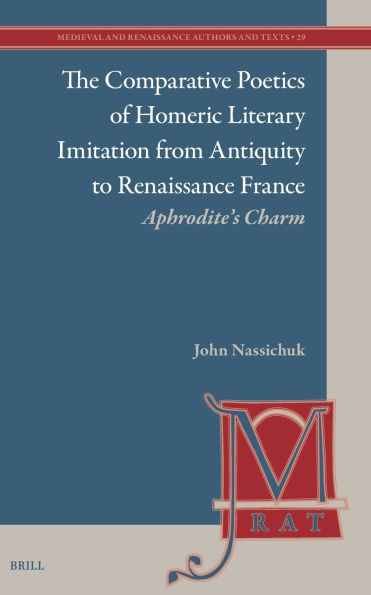
The Comparative Poetics of Homeric Literary Imitation from Antiquity to Renaissance France in Chattanooga, TN
Current price: $157.00
Barnes and Noble
The Comparative Poetics of Homeric Literary Imitation from Antiquity to Renaissance France in Chattanooga, TN
Current price: $157.00
Loading Inventory...
Size: OS
Aphrodite’s famous ribbon known as the
cestus
, the irresistible love charm that she loaned to Hera in the Iliad, was, thanks to a fruitful early misreading, transformed by ancient, medieval, and Renaissance authors into a symbol of honorable feminine chastity: in Maurice Scève’s 1560
Microcosme
, an epic rewriting of Genesis, Eve first appears before an astonished Adam wearing the virginal
as a symbolic guarantee of her sexual innocence. This book traces the history of this curious development from Homer to the end of the sixteenth century in France. Through analyses of both famous and little-known texts, it illustrates the complexity and fecund liberty of Homeric reception.
cestus
, the irresistible love charm that she loaned to Hera in the Iliad, was, thanks to a fruitful early misreading, transformed by ancient, medieval, and Renaissance authors into a symbol of honorable feminine chastity: in Maurice Scève’s 1560
Microcosme
, an epic rewriting of Genesis, Eve first appears before an astonished Adam wearing the virginal
as a symbolic guarantee of her sexual innocence. This book traces the history of this curious development from Homer to the end of the sixteenth century in France. Through analyses of both famous and little-known texts, it illustrates the complexity and fecund liberty of Homeric reception.
Aphrodite’s famous ribbon known as the
cestus
, the irresistible love charm that she loaned to Hera in the Iliad, was, thanks to a fruitful early misreading, transformed by ancient, medieval, and Renaissance authors into a symbol of honorable feminine chastity: in Maurice Scève’s 1560
Microcosme
, an epic rewriting of Genesis, Eve first appears before an astonished Adam wearing the virginal
as a symbolic guarantee of her sexual innocence. This book traces the history of this curious development from Homer to the end of the sixteenth century in France. Through analyses of both famous and little-known texts, it illustrates the complexity and fecund liberty of Homeric reception.
cestus
, the irresistible love charm that she loaned to Hera in the Iliad, was, thanks to a fruitful early misreading, transformed by ancient, medieval, and Renaissance authors into a symbol of honorable feminine chastity: in Maurice Scève’s 1560
Microcosme
, an epic rewriting of Genesis, Eve first appears before an astonished Adam wearing the virginal
as a symbolic guarantee of her sexual innocence. This book traces the history of this curious development from Homer to the end of the sixteenth century in France. Through analyses of both famous and little-known texts, it illustrates the complexity and fecund liberty of Homeric reception.
You May Also Like












More About Barnes and Noble at Hamilton Place
Barnes & Noble is the world’s largest retail bookseller and a leading retailer of content, digital media and educational products. Our Nook Digital business offers a lineup of NOOK® tablets and e-Readers and an expansive collection of digital reading content through the NOOK Store®. Barnes & Noble’s mission is to operate the best omni-channel specialty retail business in America, helping both our customers and booksellers reach their aspirations, while being a credit to the communities we serve.
2100 Hamilton Pl Blvd, Chattanooga, TN 37421, United States
Find Barnes and Noble at Hamilton Place in Chattanooga, TN
Visit Barnes and Noble at Hamilton Place in Chattanooga, TN