
Home
the Child and State India: Labor Education Policy Comparative Perspective
Barnes and Noble
Loading Inventory...
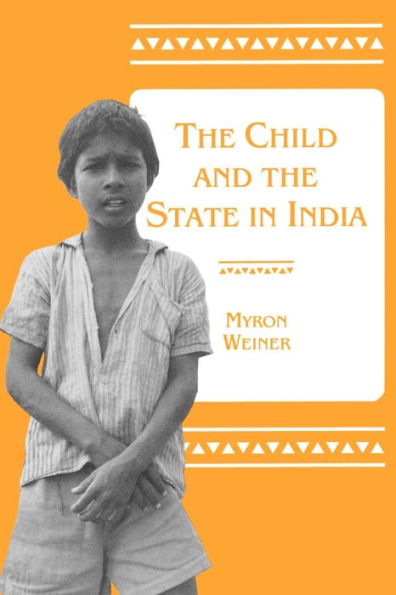
the Child and State India: Labor Education Policy Comparative Perspective in Chattanooga, TN
Current price: $55.00
Barnes and Noble
the Child and State India: Labor Education Policy Comparative Perspective in Chattanooga, TN
Current price: $55.00
Loading Inventory...
Size: Paperback
India has the largest number of non-schoolgoing working children in the world. Why has the government not removed them from the labor force and required that they attend school, as have the governments of all developed and many developing countries? To answer this question, this major comparative study first looks at why and when other states have intervened to protect children against parents and employers. By examining Europe of the nineteenth century, the United States, Japan, and a number of developing countries, Myron Weiner rejects the argument that children were removed from the labor force only when the incomes of the poor rose and employers needed a more skilled labor force. Turning to India, the author shows that its policies arise from fundamental beliefs, embedded in the culture, rather than from economic conditions. Identifying the specific values that elsewhere led educators, social activists, religious leaders, trade unionists, military officers, and government bureaucrats to make education compulsory and to end child labor, he explains why similar groups in India do not play the same role.
India has the largest number of non-schoolgoing working children in the world. Why has the government not removed them from the labor force and required that they attend school, as have the governments of all developed and many developing countries? To answer this question, this major comparative study first looks at why and when other states have intervened to protect children against parents and employers. By examining Europe of the nineteenth century, the United States, Japan, and a number of developing countries, Myron Weiner rejects the argument that children were removed from the labor force only when the incomes of the poor rose and employers needed a more skilled labor force. Turning to India, the author shows that its policies arise from fundamental beliefs, embedded in the culture, rather than from economic conditions. Identifying the specific values that elsewhere led educators, social activists, religious leaders, trade unionists, military officers, and government bureaucrats to make education compulsory and to end child labor, he explains why similar groups in India do not play the same role.
You May Also Like









More About Barnes and Noble at Hamilton Place
Barnes & Noble is the world’s largest retail bookseller and a leading retailer of content, digital media and educational products. Our Nook Digital business offers a lineup of NOOK® tablets and e-Readers and an expansive collection of digital reading content through the NOOK Store®. Barnes & Noble’s mission is to operate the best omni-channel specialty retail business in America, helping both our customers and booksellers reach their aspirations, while being a credit to the communities we serve.
2100 Hamilton Pl Blvd, Chattanooga, TN 37421, United States
Find Barnes and Noble at Hamilton Place in Chattanooga, TN
Visit Barnes and Noble at Hamilton Place in Chattanooga, TN
