
Home
The Call of the Wild and White Fang: Echoes of the Wilderness
Barnes and Noble
Loading Inventory...
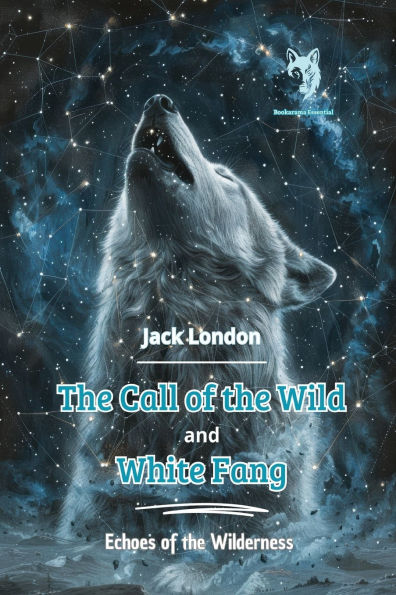
The Call of the Wild and White Fang: Echoes of the Wilderness in Chattanooga, TN
Current price: $12.90
Barnes and Noble
The Call of the Wild and White Fang: Echoes of the Wilderness in Chattanooga, TN
Current price: $12.90
Loading Inventory...
Size: OS
Jack London (1876-1916), renowned American author, remains one of the most important literary figures of the early 20th century, with his works, particularly
The Call of the Wild
and
White Fang
, standing as timeless explorations of humanity's relationship with nature, survival, and the forces that shape identity. Both novels reflect London's ability to capture the raw essence of life in extreme conditions while drawing from his own experiences during the Klondike Gold Rush and his observations of the natural world. These books not only define his literary career but also maintain relevance for their portrayal of the intersection between the wild and civilization. Both masterpieces have been collected and analyzed by
Bookarama Essential
in this unique two-in-one edition,
The Call of the Wild and White Fang: Echoes of the Wilderness
.
is a profound story of transformation, following Buck, a domesticated dog who is stolen from his comfortable home and forced into the brutal world of an Alaskan sled dog. As he struggles to survive, Buck gradually reverts to his primal instincts, answering "the call" of the wild. This journey resonates deeply with readers because it reflects the universal themes of self-discovery, adaptation, and the power of nature to shape identity. The novel is a reflection of London's belief in the instinctual drives within all living beings, suggesting that beneath the veneer of civilization, primal forces remain. The novel's setting in the unforgiving wilderness serves as a metaphor for the untamable aspects of life and the resilience needed to survive in hostile environments.
offers a contrasting narrative, presenting the opposite journey from wildness to domestication. White Fang, a wolf-dog born in the wild, slowly learns to trust humans and adapts to life within civilization. This reversal of Buck's experience provides a deeper exploration of the tension between nature and nurture, cruelty and kindness, savagery and civilization. London's portrayal of White Fang's gradual acceptance of domestic life highlights his belief in the potential for growth, change, and connection even in the most wild and untamed beings. The novel illustrates that while nature exerts a powerful influence on behavior, love and care can lead to transformation.
Together,
capture the essence of London's literary vision: the coexistence of and conflict between nature and civilization, the adaptability of creatures in extreme environments, and the powerful instincts that drive survival. These works remain relevant today for their timeless exploration of survival, human and animal nature, and the ongoing struggle to find balance between wild instincts and the constraints of society. Jack London's impact on literature endures, and these two novels, in particular, continue to captivate readers with their exploration of the profound forces that shape both animals and humans.
In this exceptional volume,
provides the reader with a brief biographical introduction to the author, an in-depth analysis of the importance of both masterpieces and the links between them, and finally an overview of Jack London's importance to world literature and culture.
The Call of the Wild
and
White Fang
, standing as timeless explorations of humanity's relationship with nature, survival, and the forces that shape identity. Both novels reflect London's ability to capture the raw essence of life in extreme conditions while drawing from his own experiences during the Klondike Gold Rush and his observations of the natural world. These books not only define his literary career but also maintain relevance for their portrayal of the intersection between the wild and civilization. Both masterpieces have been collected and analyzed by
Bookarama Essential
in this unique two-in-one edition,
The Call of the Wild and White Fang: Echoes of the Wilderness
.
is a profound story of transformation, following Buck, a domesticated dog who is stolen from his comfortable home and forced into the brutal world of an Alaskan sled dog. As he struggles to survive, Buck gradually reverts to his primal instincts, answering "the call" of the wild. This journey resonates deeply with readers because it reflects the universal themes of self-discovery, adaptation, and the power of nature to shape identity. The novel is a reflection of London's belief in the instinctual drives within all living beings, suggesting that beneath the veneer of civilization, primal forces remain. The novel's setting in the unforgiving wilderness serves as a metaphor for the untamable aspects of life and the resilience needed to survive in hostile environments.
offers a contrasting narrative, presenting the opposite journey from wildness to domestication. White Fang, a wolf-dog born in the wild, slowly learns to trust humans and adapts to life within civilization. This reversal of Buck's experience provides a deeper exploration of the tension between nature and nurture, cruelty and kindness, savagery and civilization. London's portrayal of White Fang's gradual acceptance of domestic life highlights his belief in the potential for growth, change, and connection even in the most wild and untamed beings. The novel illustrates that while nature exerts a powerful influence on behavior, love and care can lead to transformation.
Together,
capture the essence of London's literary vision: the coexistence of and conflict between nature and civilization, the adaptability of creatures in extreme environments, and the powerful instincts that drive survival. These works remain relevant today for their timeless exploration of survival, human and animal nature, and the ongoing struggle to find balance between wild instincts and the constraints of society. Jack London's impact on literature endures, and these two novels, in particular, continue to captivate readers with their exploration of the profound forces that shape both animals and humans.
In this exceptional volume,
provides the reader with a brief biographical introduction to the author, an in-depth analysis of the importance of both masterpieces and the links between them, and finally an overview of Jack London's importance to world literature and culture.
Jack London (1876-1916), renowned American author, remains one of the most important literary figures of the early 20th century, with his works, particularly
The Call of the Wild
and
White Fang
, standing as timeless explorations of humanity's relationship with nature, survival, and the forces that shape identity. Both novels reflect London's ability to capture the raw essence of life in extreme conditions while drawing from his own experiences during the Klondike Gold Rush and his observations of the natural world. These books not only define his literary career but also maintain relevance for their portrayal of the intersection between the wild and civilization. Both masterpieces have been collected and analyzed by
Bookarama Essential
in this unique two-in-one edition,
The Call of the Wild and White Fang: Echoes of the Wilderness
.
is a profound story of transformation, following Buck, a domesticated dog who is stolen from his comfortable home and forced into the brutal world of an Alaskan sled dog. As he struggles to survive, Buck gradually reverts to his primal instincts, answering "the call" of the wild. This journey resonates deeply with readers because it reflects the universal themes of self-discovery, adaptation, and the power of nature to shape identity. The novel is a reflection of London's belief in the instinctual drives within all living beings, suggesting that beneath the veneer of civilization, primal forces remain. The novel's setting in the unforgiving wilderness serves as a metaphor for the untamable aspects of life and the resilience needed to survive in hostile environments.
offers a contrasting narrative, presenting the opposite journey from wildness to domestication. White Fang, a wolf-dog born in the wild, slowly learns to trust humans and adapts to life within civilization. This reversal of Buck's experience provides a deeper exploration of the tension between nature and nurture, cruelty and kindness, savagery and civilization. London's portrayal of White Fang's gradual acceptance of domestic life highlights his belief in the potential for growth, change, and connection even in the most wild and untamed beings. The novel illustrates that while nature exerts a powerful influence on behavior, love and care can lead to transformation.
Together,
capture the essence of London's literary vision: the coexistence of and conflict between nature and civilization, the adaptability of creatures in extreme environments, and the powerful instincts that drive survival. These works remain relevant today for their timeless exploration of survival, human and animal nature, and the ongoing struggle to find balance between wild instincts and the constraints of society. Jack London's impact on literature endures, and these two novels, in particular, continue to captivate readers with their exploration of the profound forces that shape both animals and humans.
In this exceptional volume,
provides the reader with a brief biographical introduction to the author, an in-depth analysis of the importance of both masterpieces and the links between them, and finally an overview of Jack London's importance to world literature and culture.
The Call of the Wild
and
White Fang
, standing as timeless explorations of humanity's relationship with nature, survival, and the forces that shape identity. Both novels reflect London's ability to capture the raw essence of life in extreme conditions while drawing from his own experiences during the Klondike Gold Rush and his observations of the natural world. These books not only define his literary career but also maintain relevance for their portrayal of the intersection between the wild and civilization. Both masterpieces have been collected and analyzed by
Bookarama Essential
in this unique two-in-one edition,
The Call of the Wild and White Fang: Echoes of the Wilderness
.
is a profound story of transformation, following Buck, a domesticated dog who is stolen from his comfortable home and forced into the brutal world of an Alaskan sled dog. As he struggles to survive, Buck gradually reverts to his primal instincts, answering "the call" of the wild. This journey resonates deeply with readers because it reflects the universal themes of self-discovery, adaptation, and the power of nature to shape identity. The novel is a reflection of London's belief in the instinctual drives within all living beings, suggesting that beneath the veneer of civilization, primal forces remain. The novel's setting in the unforgiving wilderness serves as a metaphor for the untamable aspects of life and the resilience needed to survive in hostile environments.
offers a contrasting narrative, presenting the opposite journey from wildness to domestication. White Fang, a wolf-dog born in the wild, slowly learns to trust humans and adapts to life within civilization. This reversal of Buck's experience provides a deeper exploration of the tension between nature and nurture, cruelty and kindness, savagery and civilization. London's portrayal of White Fang's gradual acceptance of domestic life highlights his belief in the potential for growth, change, and connection even in the most wild and untamed beings. The novel illustrates that while nature exerts a powerful influence on behavior, love and care can lead to transformation.
Together,
capture the essence of London's literary vision: the coexistence of and conflict between nature and civilization, the adaptability of creatures in extreme environments, and the powerful instincts that drive survival. These works remain relevant today for their timeless exploration of survival, human and animal nature, and the ongoing struggle to find balance between wild instincts and the constraints of society. Jack London's impact on literature endures, and these two novels, in particular, continue to captivate readers with their exploration of the profound forces that shape both animals and humans.
In this exceptional volume,
provides the reader with a brief biographical introduction to the author, an in-depth analysis of the importance of both masterpieces and the links between them, and finally an overview of Jack London's importance to world literature and culture.
You May Also Like















More About Barnes and Noble at Hamilton Place
Barnes & Noble is the world’s largest retail bookseller and a leading retailer of content, digital media and educational products. Our Nook Digital business offers a lineup of NOOK® tablets and e-Readers and an expansive collection of digital reading content through the NOOK Store®. Barnes & Noble’s mission is to operate the best omni-channel specialty retail business in America, helping both our customers and booksellers reach their aspirations, while being a credit to the communities we serve.
2100 Hamilton Pl Blvd, Chattanooga, TN 37421, United States
Find Barnes and Noble at Hamilton Place in Chattanooga, TN
Visit Barnes and Noble at Hamilton Place in Chattanooga, TN