Open Today
10:00AM - 8:00PM
See Special Hours
Wed-Sat
10:00AM
-
8:00PM
Sun
12:00PM
-
6:00PM
Mon-Tue
10:00AM
-
8:00PM
On Sale
Women
Men
Baby & Kids
Beauty
Home
Easter
Spring Essentials
Graduation
Prom
Sustainability
Spring Break
Stores
Brands
Wishlist
Wishlist
Items on Sale
Clothing
Tops
Bottoms
Outerwear
Swimwear
Sleepwear
Underwear
Dresses & Jumpsuits
Accessories
Socks
Hosiery
Hats
Headbands
Scarves
Gloves & Mittens
Sunglasses
Eyeglasses
Belts
Wallets
Watches
Jewelry
Shoes
Sneakers
Boots
Sandals
Flip Flops
Pumps
Flats
Shoe Care
Bags & Backpacks
Satchel
Messenger
Saddle
Tote
Duffel
Hobo
Clutch
Sports & Fitness
Yoga
Gym
Outdoor
Sportswear
Items on Sale
Clothing
Tops
Bottoms
Outerwear
Swimwear
Sleepwear
Underwear
Accessories
Socks
Hats
Headbands
Scarves
Gloves & Mittens
Sunglasses
Eyeglasses
Belts
Ties
Wallets
Watches
Jewelry
Shoes
Sneakers
Boots
Sandals
Flip Flops
Dress Shoes
Shoe Care
Bags & Backpacks
Messenger
Duffel
Briefcase
Luggage
Sports & Fitness
Gym
Outdoor
Sportswear
Items on Sale
Clothing
Tops
Bottoms
Outerwear
Sleepwear
Underwear
Baby Gear
Strollers
Carriers
Feeding
Seats
Cribs
Toys
Video Games
Building Toys
Puzzles
Dolls
Play Sets
Stuffed Toys
Costumes
Items on Sale
Skincare
Face Scrubs
Facial Cleansers
Essential Oils
Bath Salts
Body Wash
Makeup Remover
Moisturizers
Face Serums
Shaving Treatments
Toner
Sunscreen
After Sun Care
Makeup
Face
Eyes
Lips
Tools
Hair
Shampoo
Conditioner
Hair Treatment
Hair Color
Hair Brush
Hair Tie
Hair Towel
Hair Curler
Straightener
Hair Dryer
Nails
Nail Polish
Nail File
Items on Sale
Bedroom
Bed Sheets
Pillows
Mattress
Mattress Cover
Kitchen
Cookware
Utensils
Appliances
Office
Stationery
Paper Products
Decor
Candles
Rugs
Vase
Curtains
Wall Art
Furniture
Chairs
Sofas
Benches
Desks
Shelves
Mirrors
Electronics
Laptops
Monitors
Mice
Headphones
Speakers
Home Theatre
Cables
Batteries
Cases
Cameras
Clothes
Shoes
Accessories
Home
Outdoor Activities
Gifts for Her
Gifts for Him
Outfits for Her
Outfits for Him
Shoes
Accessories
Women's Dresses
Men's Attire
Academy Sports + Outdoors
ADORE ME
Aerie
Aeropostale
Altar'd State
American Eagle Outfitters
Ann Taylor
Athleta
Banter
Barnes and Noble
Bath & Body Works
Belk
Boxlunch
Buckle
Build-A-Bear
Chico's
Dillards
Dry Goods USA
DSW
DXL
Earthbound Trading
Eddie Bauer
Electronic Express
Express
Five Below
Foot Locker
Francesca's
GameStop
GNC
Guitar Center
H&M
Hollister
Hot Topic
J. Crew Factory
J. Jill
JCPenney
JD Sports
Jos. A. Bank
Journeys
Journeys Kidz
Kay Jewelers
Kids Foot Locker
Kirkland's
Lane Bryant
LensCrafters
Lids
Loft
Lovesac
Lovisa
Lululemon
Maurices
Men's Wearhouse
Michaels
Oakley
OFFLINE by Aerie
Old Navy
Palmetto Moon
Pandora
popshelf
Pro Image
ROCK CREEK
Salma's Diamonds
Sephora
SHOE DEPT. ENCORE
Sleep Number
Soma
Sunglass Hut
T-Mobile
Talbots
The Children's Place
THE SPICE & TEA EXCHANGE
Torrid
Tradehome Shoes
Ulta Beauty
Vans
VENOFYE
Victoria's Secret
Vintage Stock
Visionworks
White House | Black Market
Windsor
Yankee Candle
Zales The Diamond Store
Zumiez
Aerie
Altar'd State
American Eagle Outfitters
Ann Taylor
Apple
Athleta
Barnes & Noble
Bath & Body Works
Boxlunch
Build A Bear
Build-A-Bear
Chico's
Dxl
Forever 21
Gnc
H&M
Hallmark
Hollister
Hot Topic
Johnston & Murphy
Kirklands
Lego
Lenscrafters
Loft
Maurices
Old Navy
Sephora
Ulta
Victoria's Secret
White House Black Market
Close
Wishlist
Search
All Categories
Close
On Sale
Women
Men
Baby & Kids
Beauty
Home
Easter
Spring Essentials
Graduation
Prom
Sustainability
Spring Break
Stores
Brands
Search 1000s of in-stock products at Hamilton Place
The following text field will produce suggestions that follow it as you type.
Close
Search
Home
Barnes and Noble
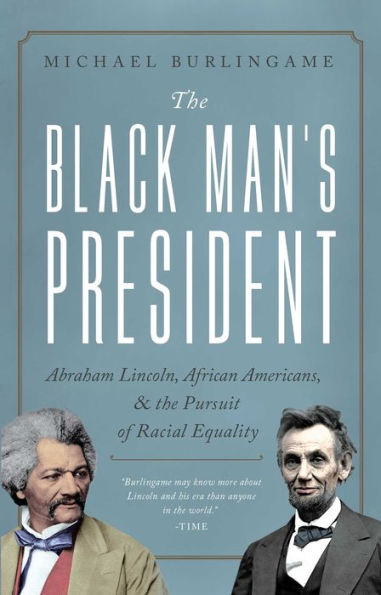
the Black Man's President: Abraham Lincoln, African Americans, and Pursuit of Racial Equality
Unfortunately, this item is no longer available, but we found some similar items you might like.
You May Also Like
Wishlist
Add To Wishlist
Quick View
Loading Inventory...
Loading Inventory...
Barnes & Noble
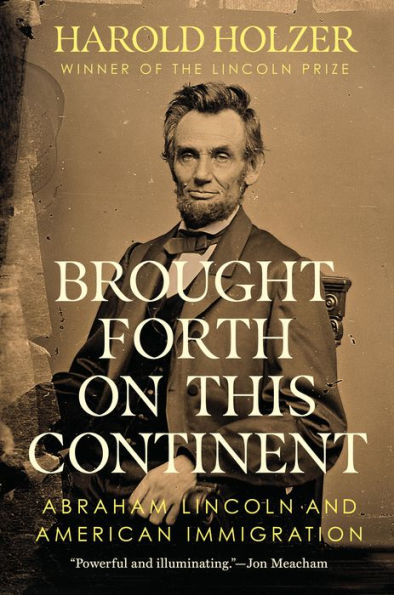
Brought Forth on This Continent: Abraham Lincoln and American Immigration
Current price:
$22.50
From Barnes & Noble
Wishlist
Add To Wishlist
Quick View
Loading Inventory...
Loading Inventory...
Barnes & Noble
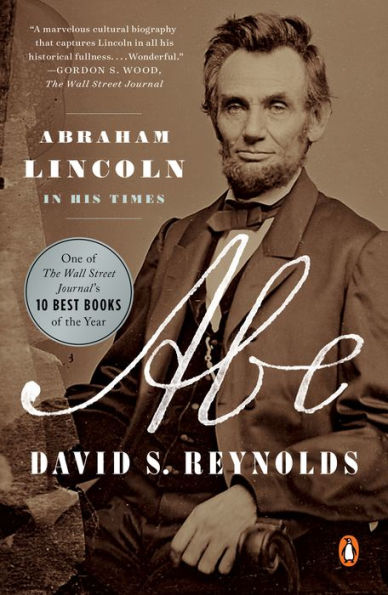
Abe: Abraham Lincoln His Times
Current price:
$35.00
From Barnes & Noble
Wishlist
Add To Wishlist
Quick View
Loading Inventory...
Loading Inventory...
Barnes & Noble
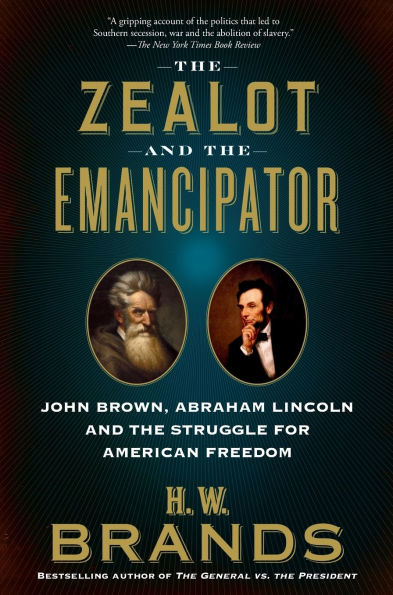
the Zealot and Emancipator: John Brown, Abraham Lincoln Struggle for American Freedom
Current price:
$25.00
From Barnes & Noble
Wishlist
Add To Wishlist
Quick View
Loading Inventory...
Loading Inventory...
Barnes & Noble
Discourses Memorial of Abraham Lincoln, Sixteenth President the United States
Current price:
$29.95
From Barnes & Noble
Wishlist
Add To Wishlist
Quick View
Loading Inventory...
Loading Inventory...
Barnes & Noble
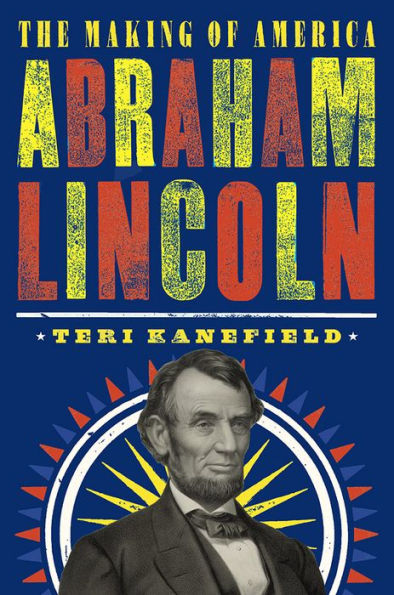
Abraham Lincoln: The Making of America #3
Current price:
$16.99
From Barnes & Noble
Wishlist
Add To Wishlist
Quick View
Loading Inventory...
Loading Inventory...
Barnes & Noble
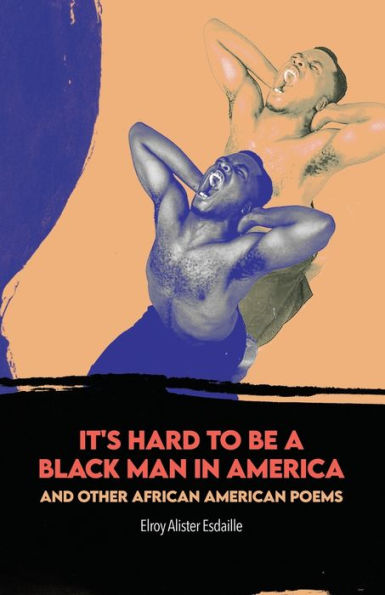
It's Hard to Be a Black Man America and Other African American Poems
Current price:
$12.00
From Barnes & Noble
Wishlist
Add To Wishlist
Quick View
Loading Inventory...
Loading Inventory...
American Coin Treasures
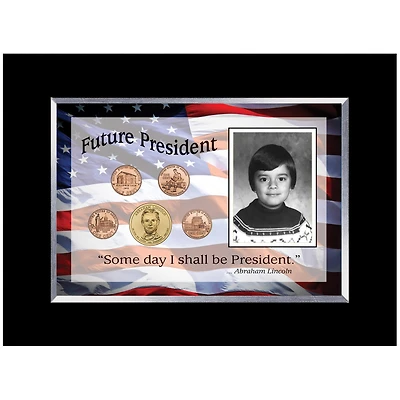
Abraham Lincoln Future President Framed Coin Set
Current price:
$31.99
From Michaels
Wishlist
Add To Wishlist
Quick View
Loading Inventory...
Loading Inventory...
Barnes & Noble
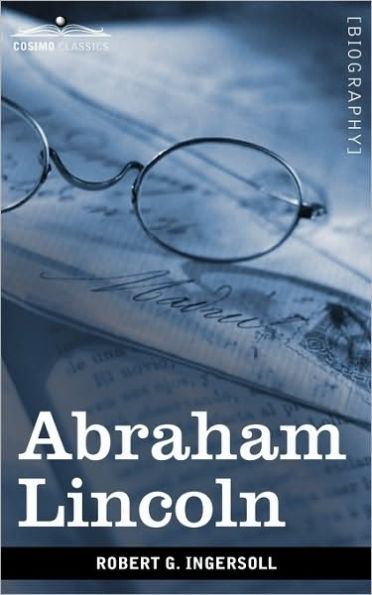
Abraham Lincoln
Current price:
$9.99
From Barnes & Noble
Wishlist
Add To Wishlist
Quick View
Loading Inventory...
Loading Inventory...
Barnes & Noble
Abraham Lincoln
Current price:
$52.90
From Barnes & Noble
Wishlist
Add To Wishlist
Quick View
Loading Inventory...
Loading Inventory...
Barnes & Noble
Assassination of Abraham Lincoln
Current price:
$21.75
From Barnes & Noble
Wishlist
Add To Wishlist
Quick View
Loading Inventory...
Loading Inventory...
Barnes & Noble
Life of Abraham Lincoln, sixteenth President the United States: Containing His Early History and Political Career
Current price:
$99.90
From Barnes & Noble
Wishlist
Add To Wishlist
Quick View
Loading Inventory...
Loading Inventory...
Barnes & Noble
The story of Abraham Lincoln
Current price:
$19.00
From Barnes & Noble
Wishlist
Add To Wishlist
Quick View
Loading Inventory...
Loading Inventory...
Barnes & Noble
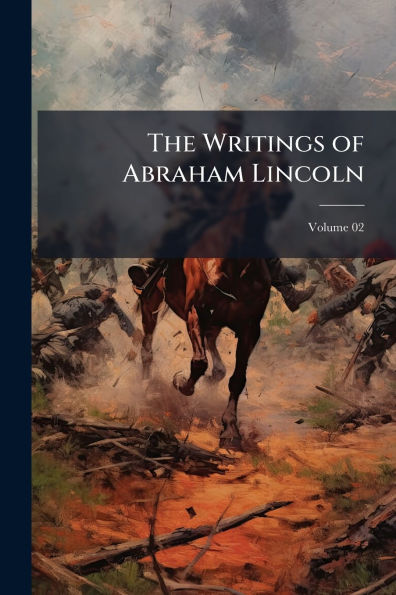
The Writings of Abraham Lincoln
Current price:
$34.95
From Barnes & Noble
Wishlist
Add To Wishlist
Quick View
Loading Inventory...
Loading Inventory...
Barnes & Noble
a Nation Divided: Electing Abraham Lincoln, the First Anti-Slavery President, Erupts Into Brutal Civil War Ending Slavery America
Current price:
$18.00
From Barnes & Noble
Wishlist
Add To Wishlist
Quick View
Loading Inventory...
Loading Inventory...
Barnes & Noble
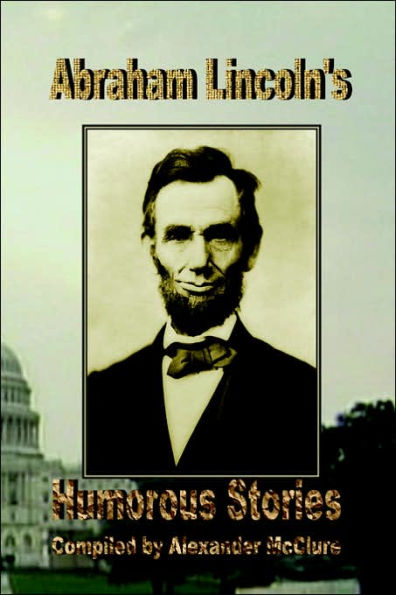
Abraham Lincoln's Humorous Stories
Current price:
$19.95
From Barnes & Noble
Wishlist
Add To Wishlist
Quick View
Loading Inventory...
Loading Inventory...
Barnes & Noble
The Papers and Writings of Abraham Lincoln; Lincoln-Douglas Debates: Volume
Current price:
$89.90
From Barnes & Noble
Directory
Search
Scroll to Top
Close
Visit Bunny
Directory
Products
Deals
Events
About
(opens in a new tab)
(opens in a new tab)
Leasing
Close