
Home
The Birth of Tragedy in Large Print
Barnes and Noble
Loading Inventory...
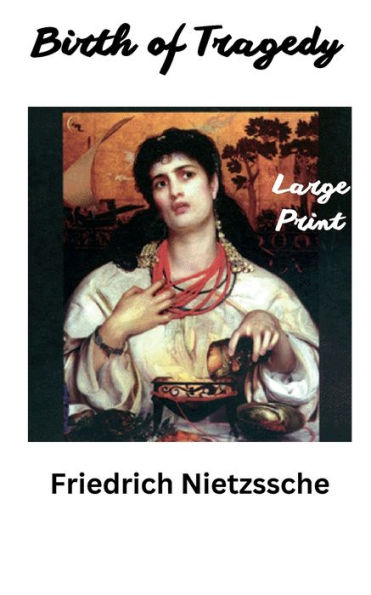
The Birth of Tragedy in Large Print in Chattanooga, TN
Current price: $12.99
Barnes and Noble
The Birth of Tragedy in Large Print in Chattanooga, TN
Current price: $12.99
Loading Inventory...
Size: OS
Nietzsche is famous for his severe criticism of morals and traditional European religion and conventional philosophical ideas and social aspirations - employment, class mobility, equality - as well as political desires associated with modernity such as democracy, political dissent, and respect for human rights.
In the
Birth of Tragedy
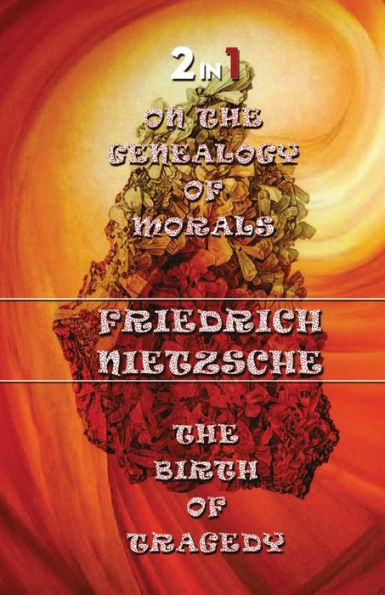
, Nietzsche dramatizes the Dionysian, dynamic, creative, ecstatic, and frenzied impulse, contrasting it to the Apollonian reason, which embodied order, discipline, and art: "The intricate relationship of the Apollonian and Dionysian in tragedy really should be symbolized by a fraternal union of the two gods: Dionysus speaks the language of Apollo: Apollo, however, finally speaks the language of Dionysus and art in general."
In the
Birth of Tragedy
, Nietzsche dramatizes the Dionysian, dynamic, creative, ecstatic, and frenzied impulse, contrasting it to the Apollonian reason, which embodied order, discipline, and art: "The intricate relationship of the Apollonian and Dionysian in tragedy really should be symbolized by a fraternal union of the two gods: Dionysus speaks the language of Apollo: Apollo, however, finally speaks the language of Dionysus and art in general."
Nietzsche is famous for his severe criticism of morals and traditional European religion and conventional philosophical ideas and social aspirations - employment, class mobility, equality - as well as political desires associated with modernity such as democracy, political dissent, and respect for human rights.
In the
Birth of Tragedy
, Nietzsche dramatizes the Dionysian, dynamic, creative, ecstatic, and frenzied impulse, contrasting it to the Apollonian reason, which embodied order, discipline, and art: "The intricate relationship of the Apollonian and Dionysian in tragedy really should be symbolized by a fraternal union of the two gods: Dionysus speaks the language of Apollo: Apollo, however, finally speaks the language of Dionysus and art in general."
In the
Birth of Tragedy
, Nietzsche dramatizes the Dionysian, dynamic, creative, ecstatic, and frenzied impulse, contrasting it to the Apollonian reason, which embodied order, discipline, and art: "The intricate relationship of the Apollonian and Dionysian in tragedy really should be symbolized by a fraternal union of the two gods: Dionysus speaks the language of Apollo: Apollo, however, finally speaks the language of Dionysus and art in general."
You May Also Like













More About Barnes and Noble at Hamilton Place
Barnes & Noble is the world’s largest retail bookseller and a leading retailer of content, digital media and educational products. Our Nook Digital business offers a lineup of NOOK® tablets and e-Readers and an expansive collection of digital reading content through the NOOK Store®. Barnes & Noble’s mission is to operate the best omni-channel specialty retail business in America, helping both our customers and booksellers reach their aspirations, while being a credit to the communities we serve.
2100 Hamilton Pl Blvd, Chattanooga, TN 37421, United States
Find Barnes and Noble at Hamilton Place in Chattanooga, TN
Visit Barnes and Noble at Hamilton Place in Chattanooga, TN
