
Home
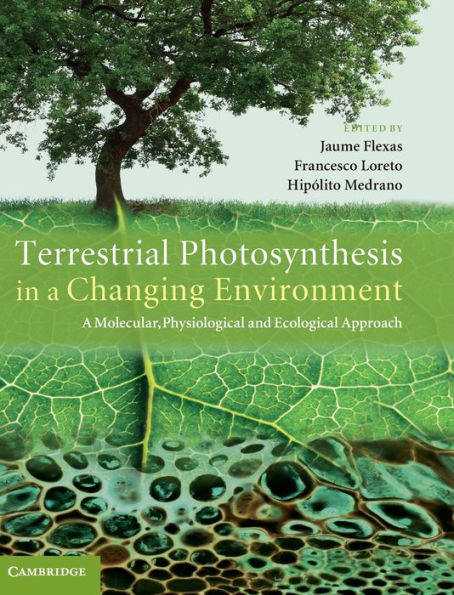
Terrestrial Photosynthesis A Changing Environment: Molecular, Physiological, and Ecological Approach
Barnes and Noble
Loading Inventory...
Terrestrial Photosynthesis A Changing Environment: Molecular, Physiological, and Ecological Approach in Chattanooga, TN
Current price: $176.00
Barnes and Noble
Terrestrial Photosynthesis A Changing Environment: Molecular, Physiological, and Ecological Approach in Chattanooga, TN
Current price: $176.00
Loading Inventory...
Size: Hardcover
Understanding how photosynthesis responds to the environment is crucial for improving plant production and maintaining biodiversity in the context of global change. Covering all aspects of photosynthesis, from basic concepts to methodologies, from the organelle to whole ecosystem levels, this is an integrated guide to photosynthesis in an environmentally dynamic context. Focusing on the ecophysiology of photosynthesis – how photosynthesis varies in time and space, responds and adapts to environmental conditions and differs among species within an evolutionary context – the book features contributions from leaders in the field. The approach is interdisciplinary and the topics covered have applications for ecology, environmental sciences, agronomy, forestry and meteorology. It also addresses applied fields such as climate change, biomass and biofuel production and genetic engineering, making a valuable contribution to our understanding of the impacts of climate change on the primary productivity of the globe and on ecosystem stability.
Understanding how photosynthesis responds to the environment is crucial for improving plant production and maintaining biodiversity in the context of global change. Covering all aspects of photosynthesis, from basic concepts to methodologies, from the organelle to whole ecosystem levels, this is an integrated guide to photosynthesis in an environmentally dynamic context. Focusing on the ecophysiology of photosynthesis – how photosynthesis varies in time and space, responds and adapts to environmental conditions and differs among species within an evolutionary context – the book features contributions from leaders in the field. The approach is interdisciplinary and the topics covered have applications for ecology, environmental sciences, agronomy, forestry and meteorology. It also addresses applied fields such as climate change, biomass and biofuel production and genetic engineering, making a valuable contribution to our understanding of the impacts of climate change on the primary productivity of the globe and on ecosystem stability.
You May Also Like















More About Barnes and Noble at Hamilton Place
Barnes & Noble is the world’s largest retail bookseller and a leading retailer of content, digital media and educational products. Our Nook Digital business offers a lineup of NOOK® tablets and e-Readers and an expansive collection of digital reading content through the NOOK Store®. Barnes & Noble’s mission is to operate the best omni-channel specialty retail business in America, helping both our customers and booksellers reach their aspirations, while being a credit to the communities we serve.
2100 Hamilton Pl Blvd, Chattanooga, TN 37421, United States
Find Barnes and Noble at Hamilton Place in Chattanooga, TN
Visit Barnes and Noble at Hamilton Place in Chattanooga, TN
