
Home
Stakeholder Readiness for Restorative Justice the U.S. Criminal System: Perspectives from Victims, Child Offenders, and Probation Officers
Barnes and Noble
Loading Inventory...
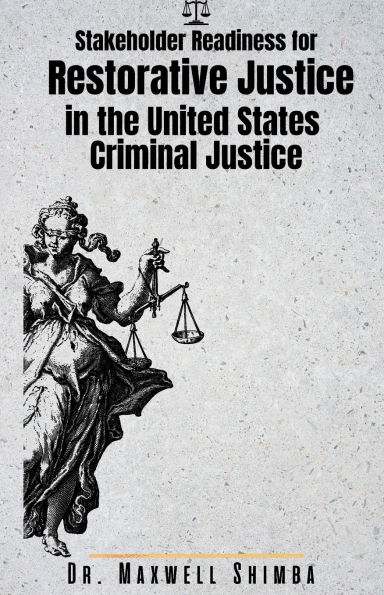
Stakeholder Readiness for Restorative Justice the U.S. Criminal System: Perspectives from Victims, Child Offenders, and Probation Officers in Chattanooga, TN
Current price: $25.46
Barnes and Noble
Stakeholder Readiness for Restorative Justice the U.S. Criminal System: Perspectives from Victims, Child Offenders, and Probation Officers in Chattanooga, TN
Current price: $25.46
Loading Inventory...
Size: Paperback
Stakeholder Readiness for Restorative Justice in the U.S. Criminal Justice System by Dr. Maxwell Shimba provides a comprehensive exploration of how restorative justice can be integrated into the American criminal justice system. The book delves into the perceptions and attitudes of key stakeholders, including victims of crime, child offenders, and probation officers, assessing their readiness for the shift from a punitive model to a restorative approach. Dr. Shimba offers valuable insights into how restorative justice prioritizes healing, accountability, and rehabilitation, with an emphasis on emotional and psychological support for both victims and offenders. Through extensive research and case studies, the book underscores the potential benefits of restorative justice in fostering deeper engagement, responsibility, and healing for all parties involved. In this groundbreaking work, Dr. Shimba examines the challenges that arise when implementing restorative justice, such as emotional readiness, resource constraints, and institutional resistance. The book highlights the importance of emotional support and preparation for participants, recognizing that victims and offenders may face significant emotional hurdles in confronting one another. Dr. Shimba argues that for restorative justice to succeed, it must be embedded within a well-resourced and supportive framework, with training for justice professionals and consistent institutional backing. By addressing these challenges, the book provides a pathway for more effective and compassionate justice practices. The book also offers practical recommendations for policymakers, criminal justice practitioners, and community organizations, urging them to consider the long-term benefits of restorative justice. Dr. Shimba emphasizes the importance of pilot programs, long-term research, and collaborative efforts between the criminal justice system and community stakeholders.
Stakeholder Readiness for Restorative Justice in the U.S. Criminal Justice System by Dr. Maxwell Shimba provides a comprehensive exploration of how restorative justice can be integrated into the American criminal justice system. The book delves into the perceptions and attitudes of key stakeholders, including victims of crime, child offenders, and probation officers, assessing their readiness for the shift from a punitive model to a restorative approach. Dr. Shimba offers valuable insights into how restorative justice prioritizes healing, accountability, and rehabilitation, with an emphasis on emotional and psychological support for both victims and offenders. Through extensive research and case studies, the book underscores the potential benefits of restorative justice in fostering deeper engagement, responsibility, and healing for all parties involved. In this groundbreaking work, Dr. Shimba examines the challenges that arise when implementing restorative justice, such as emotional readiness, resource constraints, and institutional resistance. The book highlights the importance of emotional support and preparation for participants, recognizing that victims and offenders may face significant emotional hurdles in confronting one another. Dr. Shimba argues that for restorative justice to succeed, it must be embedded within a well-resourced and supportive framework, with training for justice professionals and consistent institutional backing. By addressing these challenges, the book provides a pathway for more effective and compassionate justice practices. The book also offers practical recommendations for policymakers, criminal justice practitioners, and community organizations, urging them to consider the long-term benefits of restorative justice. Dr. Shimba emphasizes the importance of pilot programs, long-term research, and collaborative efforts between the criminal justice system and community stakeholders.
You May Also Like













More About Barnes and Noble at Hamilton Place
Barnes & Noble is the world’s largest retail bookseller and a leading retailer of content, digital media and educational products. Our Nook Digital business offers a lineup of NOOK® tablets and e-Readers and an expansive collection of digital reading content through the NOOK Store®. Barnes & Noble’s mission is to operate the best omni-channel specialty retail business in America, helping both our customers and booksellers reach their aspirations, while being a credit to the communities we serve.
2100 Hamilton Pl Blvd, Chattanooga, TN 37421, United States
Find Barnes and Noble at Hamilton Place in Chattanooga, TN
Visit Barnes and Noble at Hamilton Place in Chattanooga, TN
