
Home
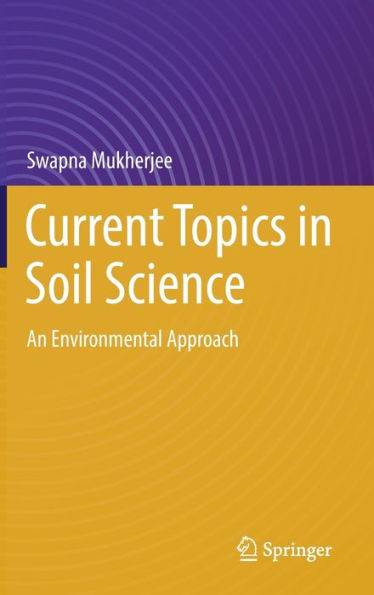
Soil Organic Matter and Feeding the Future: Environmental Agronomic Impacts
Barnes and Noble
Loading Inventory...

Soil Organic Matter and Feeding the Future: Environmental Agronomic Impacts in Chattanooga, TN
Current price: $240.00
Barnes and Noble
Soil Organic Matter and Feeding the Future: Environmental Agronomic Impacts in Chattanooga, TN
Current price: $240.00
Loading Inventory...
Size: Hardcover
Soil organic matter (SOM) is the primary determinant of soil functionality. Soil organic carbon (SOC) accounts for 50% of the SOM content, accompanied by nitrogen, phosphorus, and a range of macro and micro elements. As a dynamic component, SOM is a source of numerous ecosystem services critical to human well-being and nature conservancy. Important among these goods and services generated by SOM include moderation of climate as a source or sink of atmospheric CO
2
and other greenhouse gases, storage and purification of water, a source of energy and habitat for biota (macro, meso, and micro-organisms), a medium for plant growth, cycling of elements (N, P, S, etc.), and generation of net primary productivity (NPP). The quality and quantity of NPP has direct impacts on the food and nutritional security of the growing and increasingly affluent human population.
Soils of agroecosystems are depleted of their SOC reserves in comparison with those of natural ecosystems. The magnitude of depletion depends on land use and the type and severity of degradation. Soils prone to accelerated erosion can be strongly depleted of their SOC reserves, especially those in the surface layer. Therefore, conservation through restorative land use and adoption of recommended management practices to create a positive soil-ecosystem carbon budget can increase carbon stock and soil health.
This volume of
Advances in Soil Sciences
aims to accomplish the following:
Present impacts of land use and soil management on SOC dynamics
Discuss effects of SOC levels on agronomic productivity and use efficiency of inputs
Detail potential of soil management on the rate and cumulative amount of carbon sequestration in relation to land use and soil/crop management
Deliberate the cause-effect relationship between SOC content and provisioning of some ecosystem services
Relate soil organic carbon stock to soil properties and processes
Establish the relationship between soil organic carbon stock with land and climate
Identify controls of making soil organic carbon stock as a source or sink of CO
Connect soil organic carbon and carbon sequestration for climate mitigation and adaptation
2
and other greenhouse gases, storage and purification of water, a source of energy and habitat for biota (macro, meso, and micro-organisms), a medium for plant growth, cycling of elements (N, P, S, etc.), and generation of net primary productivity (NPP). The quality and quantity of NPP has direct impacts on the food and nutritional security of the growing and increasingly affluent human population.
Soils of agroecosystems are depleted of their SOC reserves in comparison with those of natural ecosystems. The magnitude of depletion depends on land use and the type and severity of degradation. Soils prone to accelerated erosion can be strongly depleted of their SOC reserves, especially those in the surface layer. Therefore, conservation through restorative land use and adoption of recommended management practices to create a positive soil-ecosystem carbon budget can increase carbon stock and soil health.
This volume of
Advances in Soil Sciences
aims to accomplish the following:
Present impacts of land use and soil management on SOC dynamics
Discuss effects of SOC levels on agronomic productivity and use efficiency of inputs
Detail potential of soil management on the rate and cumulative amount of carbon sequestration in relation to land use and soil/crop management
Deliberate the cause-effect relationship between SOC content and provisioning of some ecosystem services
Relate soil organic carbon stock to soil properties and processes
Establish the relationship between soil organic carbon stock with land and climate
Identify controls of making soil organic carbon stock as a source or sink of CO
Connect soil organic carbon and carbon sequestration for climate mitigation and adaptation
Soil organic matter (SOM) is the primary determinant of soil functionality. Soil organic carbon (SOC) accounts for 50% of the SOM content, accompanied by nitrogen, phosphorus, and a range of macro and micro elements. As a dynamic component, SOM is a source of numerous ecosystem services critical to human well-being and nature conservancy. Important among these goods and services generated by SOM include moderation of climate as a source or sink of atmospheric CO
2
and other greenhouse gases, storage and purification of water, a source of energy and habitat for biota (macro, meso, and micro-organisms), a medium for plant growth, cycling of elements (N, P, S, etc.), and generation of net primary productivity (NPP). The quality and quantity of NPP has direct impacts on the food and nutritional security of the growing and increasingly affluent human population.
Soils of agroecosystems are depleted of their SOC reserves in comparison with those of natural ecosystems. The magnitude of depletion depends on land use and the type and severity of degradation. Soils prone to accelerated erosion can be strongly depleted of their SOC reserves, especially those in the surface layer. Therefore, conservation through restorative land use and adoption of recommended management practices to create a positive soil-ecosystem carbon budget can increase carbon stock and soil health.
This volume of
Advances in Soil Sciences
aims to accomplish the following:
Present impacts of land use and soil management on SOC dynamics
Discuss effects of SOC levels on agronomic productivity and use efficiency of inputs
Detail potential of soil management on the rate and cumulative amount of carbon sequestration in relation to land use and soil/crop management
Deliberate the cause-effect relationship between SOC content and provisioning of some ecosystem services
Relate soil organic carbon stock to soil properties and processes
Establish the relationship between soil organic carbon stock with land and climate
Identify controls of making soil organic carbon stock as a source or sink of CO
Connect soil organic carbon and carbon sequestration for climate mitigation and adaptation
2
and other greenhouse gases, storage and purification of water, a source of energy and habitat for biota (macro, meso, and micro-organisms), a medium for plant growth, cycling of elements (N, P, S, etc.), and generation of net primary productivity (NPP). The quality and quantity of NPP has direct impacts on the food and nutritional security of the growing and increasingly affluent human population.
Soils of agroecosystems are depleted of their SOC reserves in comparison with those of natural ecosystems. The magnitude of depletion depends on land use and the type and severity of degradation. Soils prone to accelerated erosion can be strongly depleted of their SOC reserves, especially those in the surface layer. Therefore, conservation through restorative land use and adoption of recommended management practices to create a positive soil-ecosystem carbon budget can increase carbon stock and soil health.
This volume of
Advances in Soil Sciences
aims to accomplish the following:
Present impacts of land use and soil management on SOC dynamics
Discuss effects of SOC levels on agronomic productivity and use efficiency of inputs
Detail potential of soil management on the rate and cumulative amount of carbon sequestration in relation to land use and soil/crop management
Deliberate the cause-effect relationship between SOC content and provisioning of some ecosystem services
Relate soil organic carbon stock to soil properties and processes
Establish the relationship between soil organic carbon stock with land and climate
Identify controls of making soil organic carbon stock as a source or sink of CO
Connect soil organic carbon and carbon sequestration for climate mitigation and adaptation
You May Also Like









More About Barnes and Noble at Hamilton Place
Barnes & Noble is the world’s largest retail bookseller and a leading retailer of content, digital media and educational products. Our Nook Digital business offers a lineup of NOOK® tablets and e-Readers and an expansive collection of digital reading content through the NOOK Store®. Barnes & Noble’s mission is to operate the best omni-channel specialty retail business in America, helping both our customers and booksellers reach their aspirations, while being a credit to the communities we serve.
2100 Hamilton Pl Blvd, Chattanooga, TN 37421, United States
Find Barnes and Noble at Hamilton Place in Chattanooga, TN
Visit Barnes and Noble at Hamilton Place in Chattanooga, TN
