
Home
Soil Clays: Linking Geology, Biology, Agriculture, and the Environment
Barnes and Noble
Loading Inventory...
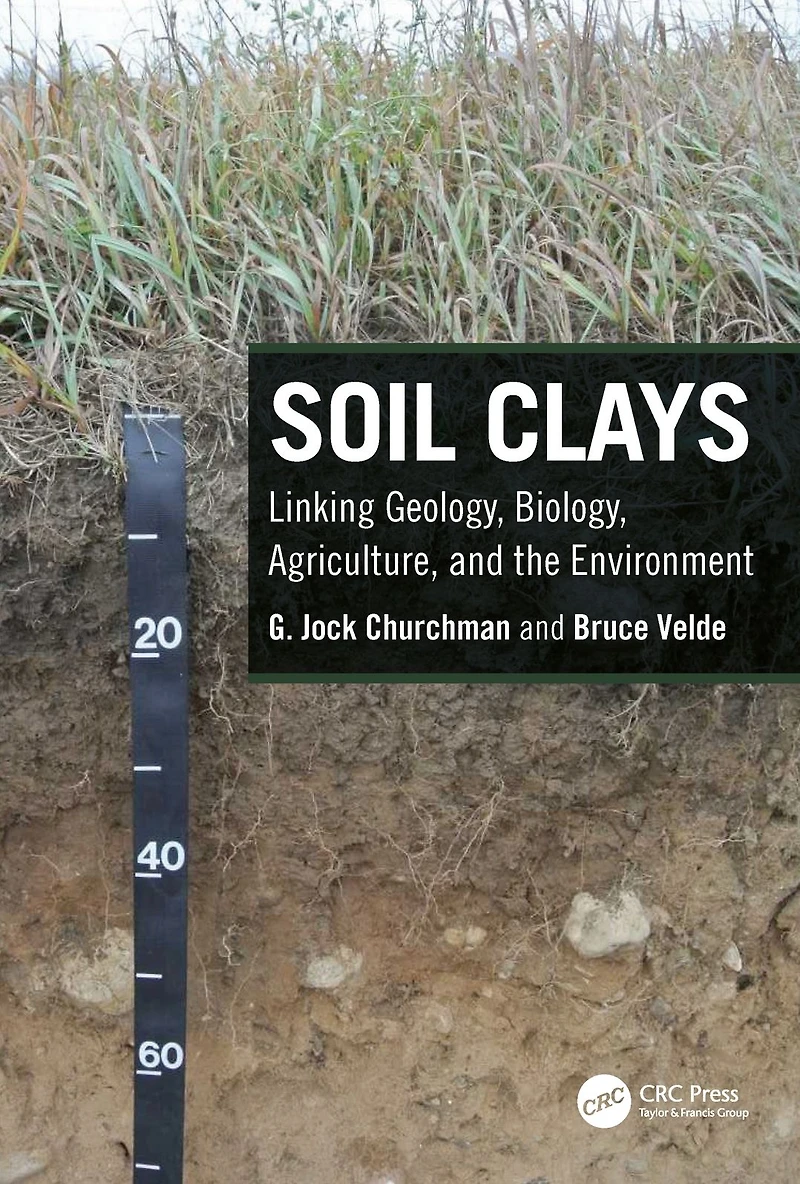
Soil Clays: Linking Geology, Biology, Agriculture, and the Environment in Chattanooga, TN
By Barnes & Noble
Current price: $70.99
Barnes and Noble
Soil Clays: Linking Geology, Biology, Agriculture, and the Environment in Chattanooga, TN
By Barnes & Noble
Current price: $70.99
Loading Inventory...
Size: EBook
As the human population grows from seven billion toward an inevitable nine or 10 billion, the demands on the limited supply of soils will grow and intensify. Soils are essential for the sustenance of almost all plants and animals, including humans, but soils are virtually infinitely variable. Clays are the most reactive and interactive inorganic compounds in soils. Clays in soils often differ from pure clay minerals of geological origin. They provide a template for most of the reactive organic matter in soils. They directly affect plant nutrients, soil temperature and pH, aggregate sizes and strength, porosity and water-holding capacities. This book aims to help improve predictions of important properties of soils through a modern understanding of their highly reactive clay minerals as they are formed and occur in soils worldwide. It examines how clays occur in soils and the role of soil clays in disparate applications including plant nutrition, soil structure, and water-holding capacity, soil quality, soil shrinkage and swelling, carbon sequestration, pollution control and remediation, medicine, forensic investigation, and deciphering human and environmental histories.Features: Provides information on the conditions that lead to the formation of clay minerals in soils Distinguishes soil clays and types of clay minerals Describes clay mineral structures and their origins Describes occurrences and associations of clays in soil Details roles of clays in applications of soils Heavily illustrated with photos, diagrams, and electron micrographs Includes user-friendly description of a new method of identification To know soil clays is to enable their use toward achieving improvements in the management of soils for enhancing their performance in one or more of their three main functions of enabling plant growth, regulating water flow to plants, and buffering environmental changes. This book provides an easily-read and extensively-illustrated description of the nature, formation, identification, occurrence and associations, measurement, reactivities, and applications of clays in soils.
As the human population grows from seven billion toward an inevitable nine or 10 billion, the demands on the limited supply of soils will grow and intensify. Soils are essential for the sustenance of almost all plants and animals, including humans, but soils are virtually infinitely variable. Clays are the most reactive and interactive inorganic compounds in soils. Clays in soils often differ from pure clay minerals of geological origin. They provide a template for most of the reactive organic matter in soils. They directly affect plant nutrients, soil temperature and pH, aggregate sizes and strength, porosity and water-holding capacities. This book aims to help improve predictions of important properties of soils through a modern understanding of their highly reactive clay minerals as they are formed and occur in soils worldwide. It examines how clays occur in soils and the role of soil clays in disparate applications including plant nutrition, soil structure, and water-holding capacity, soil quality, soil shrinkage and swelling, carbon sequestration, pollution control and remediation, medicine, forensic investigation, and deciphering human and environmental histories.Features: Provides information on the conditions that lead to the formation of clay minerals in soils Distinguishes soil clays and types of clay minerals Describes clay mineral structures and their origins Describes occurrences and associations of clays in soil Details roles of clays in applications of soils Heavily illustrated with photos, diagrams, and electron micrographs Includes user-friendly description of a new method of identification To know soil clays is to enable their use toward achieving improvements in the management of soils for enhancing their performance in one or more of their three main functions of enabling plant growth, regulating water flow to plants, and buffering environmental changes. This book provides an easily-read and extensively-illustrated description of the nature, formation, identification, occurrence and associations, measurement, reactivities, and applications of clays in soils.
You May Also Like








More About Barnes and Noble at Hamilton Place
Barnes & Noble is the world’s largest retail bookseller and a leading retailer of content, digital media and educational products. Our Nook Digital business offers a lineup of NOOK® tablets and e-Readers and an expansive collection of digital reading content through the NOOK Store®. Barnes & Noble’s mission is to operate the best omni-channel specialty retail business in America, helping both our customers and booksellers reach their aspirations, while being a credit to the communities we serve.
2100 Hamilton Pl Blvd, Chattanooga, TN 37421, United States
Find Barnes and Noble at Hamilton Place in Chattanooga, TN
Visit Barnes and Noble at Hamilton Place in Chattanooga, TN
