
Home
Social Dynamics in South-West England AD 350-1150: An exploration of maritime oriented identity
Barnes and Noble
Loading Inventory...
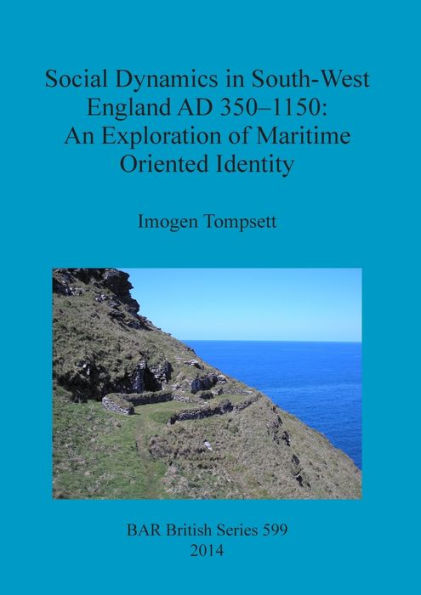
Social Dynamics in South-West England AD 350-1150: An exploration of maritime oriented identity in Chattanooga, TN
Current price: $105.00
Barnes and Noble
Social Dynamics in South-West England AD 350-1150: An exploration of maritime oriented identity in Chattanooga, TN
Current price: $105.00
Loading Inventory...
Size: OS
This research investigates the development of early medieval identities in the South West, through continuity and change in the insular material culture, the settlements, and ultimately in social identity. These cycles of change, brought about by influences within and outside the region, are evidenced through regional (macro-scale) and micro-regional (site-specific) assessments of the evidence. An overriding sense of long-term continuity is perceived in the ability of these insular identities to retain former traditions and develop their material culture, despite the apparent political domination by far-reaching social groups in the Anglo-Saxon and Norman periods. These traditions consist of all social practices and portable material culture, including the ceramics which make up a large proportion of these finds, and where an examination of developments in form and fabric have created a chronological framework that is more sympathetic to the archaeology of the region than the accepted broad periods of Early, Middle and Late Saxon, and which perhaps reflects a more accurate picture of social changes through time. The retention of prehistoric and Late Roman practices, in particular the former, is seen throughout all aspects of the archaeological evidence and is examined here through the themes of settlement hierarchies, exchange mechanisms and identity, and their spatial differentiation, with geographical determinism a deciding factor in the form and nature of communities. The project explores the development of Late Roman societies in an assessment of the impact of geographical determinism on identity, and the potential development of Atlantic and maritime identities within society as a whole.
This research investigates the development of early medieval identities in the South West, through continuity and change in the insular material culture, the settlements, and ultimately in social identity. These cycles of change, brought about by influences within and outside the region, are evidenced through regional (macro-scale) and micro-regional (site-specific) assessments of the evidence. An overriding sense of long-term continuity is perceived in the ability of these insular identities to retain former traditions and develop their material culture, despite the apparent political domination by far-reaching social groups in the Anglo-Saxon and Norman periods. These traditions consist of all social practices and portable material culture, including the ceramics which make up a large proportion of these finds, and where an examination of developments in form and fabric have created a chronological framework that is more sympathetic to the archaeology of the region than the accepted broad periods of Early, Middle and Late Saxon, and which perhaps reflects a more accurate picture of social changes through time. The retention of prehistoric and Late Roman practices, in particular the former, is seen throughout all aspects of the archaeological evidence and is examined here through the themes of settlement hierarchies, exchange mechanisms and identity, and their spatial differentiation, with geographical determinism a deciding factor in the form and nature of communities. The project explores the development of Late Roman societies in an assessment of the impact of geographical determinism on identity, and the potential development of Atlantic and maritime identities within society as a whole.
You May Also Like










More About Barnes and Noble at Hamilton Place
Barnes & Noble is the world’s largest retail bookseller and a leading retailer of content, digital media and educational products. Our Nook Digital business offers a lineup of NOOK® tablets and e-Readers and an expansive collection of digital reading content through the NOOK Store®. Barnes & Noble’s mission is to operate the best omni-channel specialty retail business in America, helping both our customers and booksellers reach their aspirations, while being a credit to the communities we serve.
2100 Hamilton Pl Blvd, Chattanooga, TN 37421, United States
Find Barnes and Noble at Hamilton Place in Chattanooga, TN
Visit Barnes and Noble at Hamilton Place in Chattanooga, TN
