
Home
Shame in Contemporary You-Narration: Time, Gender and Race
Barnes and Noble
Loading Inventory...
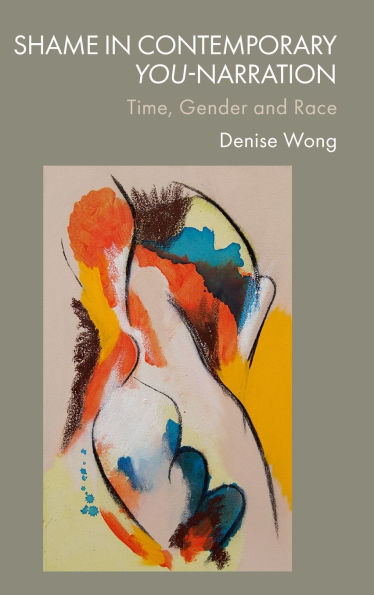
Shame in Contemporary You-Narration: Time, Gender and Race in Chattanooga, TN
Current price: $120.00
Barnes and Noble
Shame in Contemporary You-Narration: Time, Gender and Race in Chattanooga, TN
Current price: $120.00
Loading Inventory...
Size: OS
In fiction,
you
narratives written in the last decade across the world parody the form of secondperson address found in advertising, selfhelp and ‘howto’ books while anticipating shame and culpability. To establish the significance of affect, this book returns to secondperson narrative theory’s neglected origins in the theory of autobiography. This book examines the use of
across media: novels and memoirs by Paul Auster, Carmen Maria Machado, Alejandro Zambra, Vendela Vida, Christine Angot, Clarice Lispector, Charles Yu, and Caleb Azumah Nelson; poems by Claudia Rankine and Phoebe WallerBridge’s play and television series
Fleabag
(2016–19). These texts are brought into dialogue with narratology, philosophy, literary criticism and critical race theory to illustrate how the secondperson pronoun’s capacity to address the realworld reader inevitably renders such narratives a site for political and ethical contestation.
you
narratives written in the last decade across the world parody the form of secondperson address found in advertising, selfhelp and ‘howto’ books while anticipating shame and culpability. To establish the significance of affect, this book returns to secondperson narrative theory’s neglected origins in the theory of autobiography. This book examines the use of
across media: novels and memoirs by Paul Auster, Carmen Maria Machado, Alejandro Zambra, Vendela Vida, Christine Angot, Clarice Lispector, Charles Yu, and Caleb Azumah Nelson; poems by Claudia Rankine and Phoebe WallerBridge’s play and television series
Fleabag
(2016–19). These texts are brought into dialogue with narratology, philosophy, literary criticism and critical race theory to illustrate how the secondperson pronoun’s capacity to address the realworld reader inevitably renders such narratives a site for political and ethical contestation.
In fiction,
you
narratives written in the last decade across the world parody the form of secondperson address found in advertising, selfhelp and ‘howto’ books while anticipating shame and culpability. To establish the significance of affect, this book returns to secondperson narrative theory’s neglected origins in the theory of autobiography. This book examines the use of
across media: novels and memoirs by Paul Auster, Carmen Maria Machado, Alejandro Zambra, Vendela Vida, Christine Angot, Clarice Lispector, Charles Yu, and Caleb Azumah Nelson; poems by Claudia Rankine and Phoebe WallerBridge’s play and television series
Fleabag
(2016–19). These texts are brought into dialogue with narratology, philosophy, literary criticism and critical race theory to illustrate how the secondperson pronoun’s capacity to address the realworld reader inevitably renders such narratives a site for political and ethical contestation.
you
narratives written in the last decade across the world parody the form of secondperson address found in advertising, selfhelp and ‘howto’ books while anticipating shame and culpability. To establish the significance of affect, this book returns to secondperson narrative theory’s neglected origins in the theory of autobiography. This book examines the use of
across media: novels and memoirs by Paul Auster, Carmen Maria Machado, Alejandro Zambra, Vendela Vida, Christine Angot, Clarice Lispector, Charles Yu, and Caleb Azumah Nelson; poems by Claudia Rankine and Phoebe WallerBridge’s play and television series
Fleabag
(2016–19). These texts are brought into dialogue with narratology, philosophy, literary criticism and critical race theory to illustrate how the secondperson pronoun’s capacity to address the realworld reader inevitably renders such narratives a site for political and ethical contestation.
You May Also Like








More About Barnes and Noble at Hamilton Place
Barnes & Noble is the world’s largest retail bookseller and a leading retailer of content, digital media and educational products. Our Nook Digital business offers a lineup of NOOK® tablets and e-Readers and an expansive collection of digital reading content through the NOOK Store®. Barnes & Noble’s mission is to operate the best omni-channel specialty retail business in America, helping both our customers and booksellers reach their aspirations, while being a credit to the communities we serve.
2100 Hamilton Pl Blvd, Chattanooga, TN 37421, United States
Find Barnes and Noble at Hamilton Place in Chattanooga, TN
Visit Barnes and Noble at Hamilton Place in Chattanooga, TN
