
Home
Shakespeare, Violence and Early Modern Europe
Barnes and Noble
Loading Inventory...
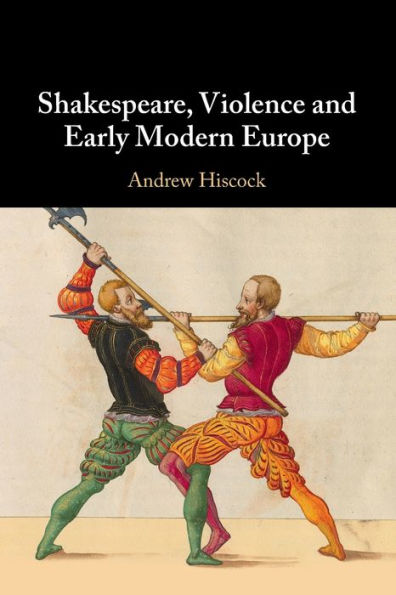
Shakespeare, Violence and Early Modern Europe in Chattanooga, TN
Current price: $106.00
Barnes and Noble
Shakespeare, Violence and Early Modern Europe in Chattanooga, TN
Current price: $106.00
Loading Inventory...
Size: Hardcover
Shakespeare, Violence and Early Modern Europe broadens our understanding of the final years of the last Tudor monarch, revealing the truly international context in which they must be understood. Uncovering the extent to which Shakespeare's dramatic art intersected with European politics, Andrew Hiscock brings together close readings of the history plays, compelling insights into late Elizabethan political culture and renewed attention to neglected continental accounts of Elizabeth I. With fresh perspective, the book charts the profound influence that Shakespeare and ambitious courtiers had upon succeeding generations of European writers, dramatists and audiences following the turn of the sixteenth century. Informed by early modern and contemporary cultural debate, this book demonstrates how the study of early modern violence can illuminate ongoing crises of interpretation concerning brutality, victimization and complicity today.
Shakespeare, Violence and Early Modern Europe broadens our understanding of the final years of the last Tudor monarch, revealing the truly international context in which they must be understood. Uncovering the extent to which Shakespeare's dramatic art intersected with European politics, Andrew Hiscock brings together close readings of the history plays, compelling insights into late Elizabethan political culture and renewed attention to neglected continental accounts of Elizabeth I. With fresh perspective, the book charts the profound influence that Shakespeare and ambitious courtiers had upon succeeding generations of European writers, dramatists and audiences following the turn of the sixteenth century. Informed by early modern and contemporary cultural debate, this book demonstrates how the study of early modern violence can illuminate ongoing crises of interpretation concerning brutality, victimization and complicity today.
You May Also Like













More About Barnes and Noble at Hamilton Place
Barnes & Noble is the world’s largest retail bookseller and a leading retailer of content, digital media and educational products. Our Nook Digital business offers a lineup of NOOK® tablets and e-Readers and an expansive collection of digital reading content through the NOOK Store®. Barnes & Noble’s mission is to operate the best omni-channel specialty retail business in America, helping both our customers and booksellers reach their aspirations, while being a credit to the communities we serve.
2100 Hamilton Pl Blvd, Chattanooga, TN 37421, United States
Find Barnes and Noble at Hamilton Place in Chattanooga, TN
Visit Barnes and Noble at Hamilton Place in Chattanooga, TN
