
Home
Sephardic Trajectories: Archives, Objects, and the Ottoman Jewish Past in the United States
Barnes and Noble
Loading Inventory...
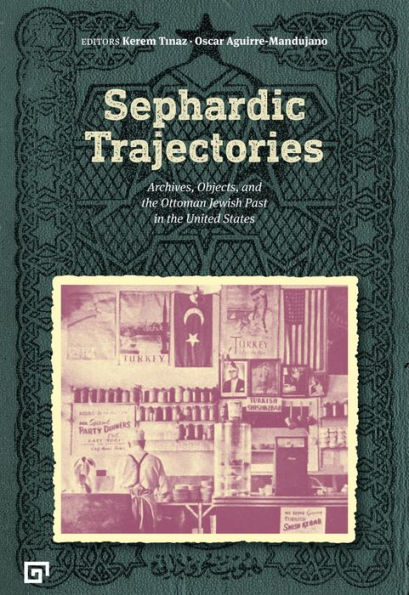
Sephardic Trajectories: Archives, Objects, and the Ottoman Jewish Past in the United States in Chattanooga, TN
Current price: $20.00
Barnes and Noble
Sephardic Trajectories: Archives, Objects, and the Ottoman Jewish Past in the United States in Chattanooga, TN
Current price: $20.00
Loading Inventory...
Size: OS
Sephardic Trajectories
brings together scholars of Ottoman history and Jewish studies to discuss how family heirlooms, papers, and memorabilia help us conceptualize the complex process of migration from the Ottoman Empire to the United States. To consider the shared significance of family archives in both the United States and in Ottoman lands, the volume takes as starting point the formation of the Sephardic Studies Digital Collection at the University of Washington, a community-led archive and the world’s first major digital repository of archival documents and recordings related to the Sephardic Jews of the Mediterranean world. Contributors reflect on the role of private collections and material objects in studying the Sephardi past, presenting case studies of Sephardic music and literature alongside discussions of the role of new media, digitization projects, investigative podcasts, and family memorabilia in preserving Ottoman Sephardic culture.
brings together scholars of Ottoman history and Jewish studies to discuss how family heirlooms, papers, and memorabilia help us conceptualize the complex process of migration from the Ottoman Empire to the United States. To consider the shared significance of family archives in both the United States and in Ottoman lands, the volume takes as starting point the formation of the Sephardic Studies Digital Collection at the University of Washington, a community-led archive and the world’s first major digital repository of archival documents and recordings related to the Sephardic Jews of the Mediterranean world. Contributors reflect on the role of private collections and material objects in studying the Sephardi past, presenting case studies of Sephardic music and literature alongside discussions of the role of new media, digitization projects, investigative podcasts, and family memorabilia in preserving Ottoman Sephardic culture.
Sephardic Trajectories
brings together scholars of Ottoman history and Jewish studies to discuss how family heirlooms, papers, and memorabilia help us conceptualize the complex process of migration from the Ottoman Empire to the United States. To consider the shared significance of family archives in both the United States and in Ottoman lands, the volume takes as starting point the formation of the Sephardic Studies Digital Collection at the University of Washington, a community-led archive and the world’s first major digital repository of archival documents and recordings related to the Sephardic Jews of the Mediterranean world. Contributors reflect on the role of private collections and material objects in studying the Sephardi past, presenting case studies of Sephardic music and literature alongside discussions of the role of new media, digitization projects, investigative podcasts, and family memorabilia in preserving Ottoman Sephardic culture.
brings together scholars of Ottoman history and Jewish studies to discuss how family heirlooms, papers, and memorabilia help us conceptualize the complex process of migration from the Ottoman Empire to the United States. To consider the shared significance of family archives in both the United States and in Ottoman lands, the volume takes as starting point the formation of the Sephardic Studies Digital Collection at the University of Washington, a community-led archive and the world’s first major digital repository of archival documents and recordings related to the Sephardic Jews of the Mediterranean world. Contributors reflect on the role of private collections and material objects in studying the Sephardi past, presenting case studies of Sephardic music and literature alongside discussions of the role of new media, digitization projects, investigative podcasts, and family memorabilia in preserving Ottoman Sephardic culture.
You May Also Like
















More About Barnes and Noble at Hamilton Place
Barnes & Noble is the world’s largest retail bookseller and a leading retailer of content, digital media and educational products. Our Nook Digital business offers a lineup of NOOK® tablets and e-Readers and an expansive collection of digital reading content through the NOOK Store®. Barnes & Noble’s mission is to operate the best omni-channel specialty retail business in America, helping both our customers and booksellers reach their aspirations, while being a credit to the communities we serve.
2100 Hamilton Pl Blvd, Chattanooga, TN 37421, United States
Find Barnes and Noble at Hamilton Place in Chattanooga, TN
Visit Barnes and Noble at Hamilton Place in Chattanooga, TN
