
Home
Screen Methods: Comparative Readings in Film Studies
Barnes and Noble
Loading Inventory...
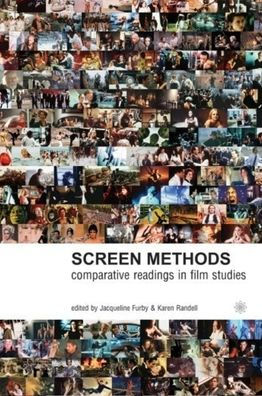
Screen Methods: Comparative Readings in Film Studies in Chattanooga, TN
Current price: $27.00
Barnes and Noble
Screen Methods: Comparative Readings in Film Studies in Chattanooga, TN
Current price: $27.00
Loading Inventory...
Size: OS
Screen Methods: Comparative Readings in Film Studies
is a collection of essays that explores the progression of film studies, an increasingly popular subject at universities, and how it has been approached theoretically, culturally and historically. In doing so, the contributors provide invaluable insight into many of the theories at the heart of film studies. The book focuses on classical theories, culture-based approaches, early and modern theory, statistical approaches and the (potential) future of critical film theory. Divided into three sections, the essays discuss 'film form and method', including notions of time, space and sound in cinema; 'theory and method', including the idea of spectatorship and portrayals of sex, sexuality and family; and 'new technology and method', which includes digital cinema, the influence of special effects and audience studies.
Films featured include
Went the Day Well?
(1942),
Rear Window
(1954),
Star Wars
(1977),
A Room with a View
(1985),
Philadelphia
(1993),
Twelve Monkeys
(1995),
Romance
(1999),
American Beauty
(1999) and
Gladiator
(2000), as well as the films of Jacques-Louis David and Ridley Scott.
is a collection of essays that explores the progression of film studies, an increasingly popular subject at universities, and how it has been approached theoretically, culturally and historically. In doing so, the contributors provide invaluable insight into many of the theories at the heart of film studies. The book focuses on classical theories, culture-based approaches, early and modern theory, statistical approaches and the (potential) future of critical film theory. Divided into three sections, the essays discuss 'film form and method', including notions of time, space and sound in cinema; 'theory and method', including the idea of spectatorship and portrayals of sex, sexuality and family; and 'new technology and method', which includes digital cinema, the influence of special effects and audience studies.
Films featured include
Went the Day Well?
(1942),
Rear Window
(1954),
Star Wars
(1977),
A Room with a View
(1985),
Philadelphia
(1993),
Twelve Monkeys
(1995),
Romance
(1999),
American Beauty
(1999) and
Gladiator
(2000), as well as the films of Jacques-Louis David and Ridley Scott.
Screen Methods: Comparative Readings in Film Studies
is a collection of essays that explores the progression of film studies, an increasingly popular subject at universities, and how it has been approached theoretically, culturally and historically. In doing so, the contributors provide invaluable insight into many of the theories at the heart of film studies. The book focuses on classical theories, culture-based approaches, early and modern theory, statistical approaches and the (potential) future of critical film theory. Divided into three sections, the essays discuss 'film form and method', including notions of time, space and sound in cinema; 'theory and method', including the idea of spectatorship and portrayals of sex, sexuality and family; and 'new technology and method', which includes digital cinema, the influence of special effects and audience studies.
Films featured include
Went the Day Well?
(1942),
Rear Window
(1954),
Star Wars
(1977),
A Room with a View
(1985),
Philadelphia
(1993),
Twelve Monkeys
(1995),
Romance
(1999),
American Beauty
(1999) and
Gladiator
(2000), as well as the films of Jacques-Louis David and Ridley Scott.
is a collection of essays that explores the progression of film studies, an increasingly popular subject at universities, and how it has been approached theoretically, culturally and historically. In doing so, the contributors provide invaluable insight into many of the theories at the heart of film studies. The book focuses on classical theories, culture-based approaches, early and modern theory, statistical approaches and the (potential) future of critical film theory. Divided into three sections, the essays discuss 'film form and method', including notions of time, space and sound in cinema; 'theory and method', including the idea of spectatorship and portrayals of sex, sexuality and family; and 'new technology and method', which includes digital cinema, the influence of special effects and audience studies.
Films featured include
Went the Day Well?
(1942),
Rear Window
(1954),
Star Wars
(1977),
A Room with a View
(1985),
Philadelphia
(1993),
Twelve Monkeys
(1995),
Romance
(1999),
American Beauty
(1999) and
Gladiator
(2000), as well as the films of Jacques-Louis David and Ridley Scott.
You May Also Like












More About Barnes and Noble at Hamilton Place
Barnes & Noble is the world’s largest retail bookseller and a leading retailer of content, digital media and educational products. Our Nook Digital business offers a lineup of NOOK® tablets and e-Readers and an expansive collection of digital reading content through the NOOK Store®. Barnes & Noble’s mission is to operate the best omni-channel specialty retail business in America, helping both our customers and booksellers reach their aspirations, while being a credit to the communities we serve.
2100 Hamilton Pl Blvd, Chattanooga, TN 37421, United States
Find Barnes and Noble at Hamilton Place in Chattanooga, TN
Visit Barnes and Noble at Hamilton Place in Chattanooga, TN