
Home
Sambuka and the Ramaya?a Tradition: A History of Motifs Motives South Asia
Barnes and Noble
Loading Inventory...
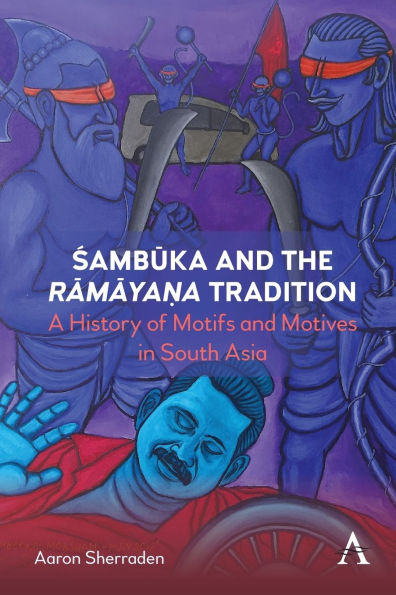
Sambuka and the Ramaya?a Tradition: A History of Motifs Motives South Asia in Chattanooga, TN
Current price: $110.00
Barnes and Noble
Sambuka and the Ramaya?a Tradition: A History of Motifs Motives South Asia in Chattanooga, TN
Current price: $110.00
Loading Inventory...
Size: Hardcover
According to Vālmīki’s Sanskrit Rāmāyaṇa (early centuries CE), Śambūka was practicing severe acts of austerity to enter heaven. In engaging in these acts as a Śūdra, Śambūka was in violation of class and castebased societal norms prescribed exclusively by the ruling and religious elite. Rāma, the hero of the Rāmāyaṇa epic, is dispatched to kill Śambūka, whose transgression is said to be the cause of a young Brahmin’s death. The gods rejoice upon the Śūdra’s death and restore the life of the Brahmin. Subsequent Rāmāyaṇa poets almost instantly recognized this incident as a blemish on Rāma’s character and they began problematizing this earliest version of the story. They adjusted and updated the story to suit the expectations of their audiences. The works surveyed in this study include numerous works originating in Hindu, Jain, Dalit and nonBrahmin communities while spanning the period from Śambūka’s first appearance in the Vālmīki Rāmāyaṇa through to the present day. The book follows the Śambūka episode chronologically across its entire history—approximately two millennia—to illuminate the social, religious, legal, and artistic connections that span the entire range of the Rāmāyaṇa’s influence and its place throughout various phases of Indian history and social revolution.
According to Vālmīki’s Sanskrit Rāmāyaṇa (early centuries CE), Śambūka was practicing severe acts of austerity to enter heaven. In engaging in these acts as a Śūdra, Śambūka was in violation of class and castebased societal norms prescribed exclusively by the ruling and religious elite. Rāma, the hero of the Rāmāyaṇa epic, is dispatched to kill Śambūka, whose transgression is said to be the cause of a young Brahmin’s death. The gods rejoice upon the Śūdra’s death and restore the life of the Brahmin. Subsequent Rāmāyaṇa poets almost instantly recognized this incident as a blemish on Rāma’s character and they began problematizing this earliest version of the story. They adjusted and updated the story to suit the expectations of their audiences. The works surveyed in this study include numerous works originating in Hindu, Jain, Dalit and nonBrahmin communities while spanning the period from Śambūka’s first appearance in the Vālmīki Rāmāyaṇa through to the present day. The book follows the Śambūka episode chronologically across its entire history—approximately two millennia—to illuminate the social, religious, legal, and artistic connections that span the entire range of the Rāmāyaṇa’s influence and its place throughout various phases of Indian history and social revolution.
You May Also Like











More About Barnes and Noble at Hamilton Place
Barnes & Noble is the world’s largest retail bookseller and a leading retailer of content, digital media and educational products. Our Nook Digital business offers a lineup of NOOK® tablets and e-Readers and an expansive collection of digital reading content through the NOOK Store®. Barnes & Noble’s mission is to operate the best omni-channel specialty retail business in America, helping both our customers and booksellers reach their aspirations, while being a credit to the communities we serve.
2100 Hamilton Pl Blvd, Chattanooga, TN 37421, United States
Find Barnes and Noble at Hamilton Place in Chattanooga, TN
Visit Barnes and Noble at Hamilton Place in Chattanooga, TN