
Home
Saint Augustin. La Correspondance avec Nebridius (Lettres 3-14). Texte latin et traduction fran�aise avec un commentaire par Emmanuel Bermon
Barnes and Noble
Loading Inventory...
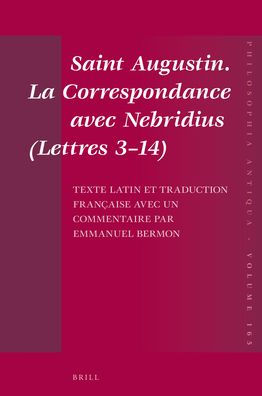
Saint Augustin. La Correspondance avec Nebridius (Lettres 3-14). Texte latin et traduction fran�aise avec un commentaire par Emmanuel Bermon in Chattanooga, TN
Current price: $227.00
Barnes and Noble
Saint Augustin. La Correspondance avec Nebridius (Lettres 3-14). Texte latin et traduction fran�aise avec un commentaire par Emmanuel Bermon in Chattanooga, TN
Current price: $227.00
Loading Inventory...
Size: OS
Écrite entre 386 et 390 dans l’effervescence de la découverte du néoplatonisme, la correspondance entre Augustin et son ami Nebridius est un concentré de questions platoniciennes sur l’infini, la distinction entre le sensible et l’intelligible, l’imagination et la réminiscence, les rêves inspirés, l’assimilation à Dieu, le « véhicule » de l’âme, l’intériorité et l’individualité. S’y ajoutent des développements théologiques majeurs sur l’Incarnation et la Trinité. Grâce à ces lettres qui font tour à tour « entendre le Christ, Platon et Plotin », comme le dit Nebridius lui-même, nous comprenons mieux ce moment incandescent de la vie d’Augustin où il se convertit à la fois à la philosophie et au christianisme, comme en témoigneront plus tard les Confessions. Written between 386 and 390 during the excitement of his discovery of Neoplatonism, Augustine’s correspondence with his friend Nebridius is a distillation of Platonic questions concerning the infinite, the distinction between sensible and intelligible phenomena, the imagination and recollection, inspired dreams, assimilation to God, the “vehicle” of the soul, interiority, and individuality. In addition, the exchange contains major theological insights concerning the Incarnation and the Trinity. Thanks to these letters, which, as Nebridius himself says, make “Christ, Plato, and Plotinus heard,” we can better understand this incandescent moment in Augustine’s life when he converted to both philosophy and Christianity, as the Confessions will later testify.
Écrite entre 386 et 390 dans l’effervescence de la découverte du néoplatonisme, la correspondance entre Augustin et son ami Nebridius est un concentré de questions platoniciennes sur l’infini, la distinction entre le sensible et l’intelligible, l’imagination et la réminiscence, les rêves inspirés, l’assimilation à Dieu, le « véhicule » de l’âme, l’intériorité et l’individualité. S’y ajoutent des développements théologiques majeurs sur l’Incarnation et la Trinité. Grâce à ces lettres qui font tour à tour « entendre le Christ, Platon et Plotin », comme le dit Nebridius lui-même, nous comprenons mieux ce moment incandescent de la vie d’Augustin où il se convertit à la fois à la philosophie et au christianisme, comme en témoigneront plus tard les Confessions. Written between 386 and 390 during the excitement of his discovery of Neoplatonism, Augustine’s correspondence with his friend Nebridius is a distillation of Platonic questions concerning the infinite, the distinction between sensible and intelligible phenomena, the imagination and recollection, inspired dreams, assimilation to God, the “vehicle” of the soul, interiority, and individuality. In addition, the exchange contains major theological insights concerning the Incarnation and the Trinity. Thanks to these letters, which, as Nebridius himself says, make “Christ, Plato, and Plotinus heard,” we can better understand this incandescent moment in Augustine’s life when he converted to both philosophy and Christianity, as the Confessions will later testify.
You May Also Like


![Ordre Naturel Des Oursins De Mer Et Fossiles, Avec Observations Sur Les Piquans Quelques Remarques Belemnites Par M. Theodore Klein... Ouvrage Traduit Du Latin [par Aubert La Chesnaye Bois] Le Texte De...](https://prodimage.images-bn.com/pimages/9781024673470_p0_v1_s600x595.jpg)








More About Barnes and Noble at Hamilton Place
Barnes & Noble is the world’s largest retail bookseller and a leading retailer of content, digital media and educational products. Our Nook Digital business offers a lineup of NOOK® tablets and e-Readers and an expansive collection of digital reading content through the NOOK Store®. Barnes & Noble’s mission is to operate the best omni-channel specialty retail business in America, helping both our customers and booksellers reach their aspirations, while being a credit to the communities we serve.
2100 Hamilton Pl Blvd, Chattanooga, TN 37421, United States
Find Barnes and Noble at Hamilton Place in Chattanooga, TN
Visit Barnes and Noble at Hamilton Place in Chattanooga, TN
