
Home
Routledge International Handbook of Wellbeing Arts: Arts and Everyday Aesthetics as Positive Psychology Interventions
Barnes and Noble
Loading Inventory...
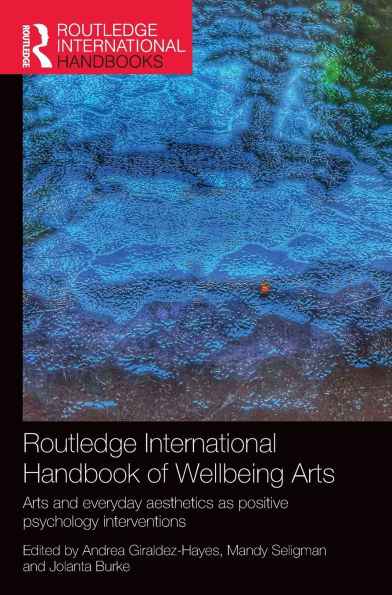
Routledge International Handbook of Wellbeing Arts: Arts and Everyday Aesthetics as Positive Psychology Interventions in Chattanooga, TN
Current price: $300.00
Barnes and Noble
Routledge International Handbook of Wellbeing Arts: Arts and Everyday Aesthetics as Positive Psychology Interventions in Chattanooga, TN
Current price: $300.00
Loading Inventory...
Size: Hardcover
The
Routledge International Handbook of Wellbeing Arts
focuses on the research and practice of arts and everyday aesthetics through the lens of positive psychology. Drawing together international experts and interdisciplinary perspectives, including culture, psychology, education, sociology, health, social work, or neuroscience, this ground‑breaking book introduces a new concept of Wellbeing Arts, offering fresh insights and practical strategies for using creative expression to enhance wellbeing.
Through an exploration of cutting‑edge science, this volume explores how engaging with the arts and everyday aesthetics can cultivate strengths, foster positive emotions, promote meaningful relationships, facilitate engagement and achievement, help individuals to find meaning and purpose, and act as a transformative force for. The first section provides the foundation for wellbeing arts and the integration of arts, everyday aesthetics, and positive psychology. The second section demystifies the idea that the arts are reserved for an elite and makes the case that the arts are for everyone. Section 3 presents a series of possibilities for integrating arts, everyday aesthetics, and positive psychology using various art forms and descriptions of successful programmes in different contexts. Finally, section 4 presents a series of chapters describing arts and wellbeing policies and projects.
This is essential reading for academics and practitioners in positive psychology, arts and culture, health and mental health, social work, and education, as well as anyone seeking to tap into the power of the arts for a more fulfilling life.
Routledge International Handbook of Wellbeing Arts
focuses on the research and practice of arts and everyday aesthetics through the lens of positive psychology. Drawing together international experts and interdisciplinary perspectives, including culture, psychology, education, sociology, health, social work, or neuroscience, this ground‑breaking book introduces a new concept of Wellbeing Arts, offering fresh insights and practical strategies for using creative expression to enhance wellbeing.
Through an exploration of cutting‑edge science, this volume explores how engaging with the arts and everyday aesthetics can cultivate strengths, foster positive emotions, promote meaningful relationships, facilitate engagement and achievement, help individuals to find meaning and purpose, and act as a transformative force for. The first section provides the foundation for wellbeing arts and the integration of arts, everyday aesthetics, and positive psychology. The second section demystifies the idea that the arts are reserved for an elite and makes the case that the arts are for everyone. Section 3 presents a series of possibilities for integrating arts, everyday aesthetics, and positive psychology using various art forms and descriptions of successful programmes in different contexts. Finally, section 4 presents a series of chapters describing arts and wellbeing policies and projects.
This is essential reading for academics and practitioners in positive psychology, arts and culture, health and mental health, social work, and education, as well as anyone seeking to tap into the power of the arts for a more fulfilling life.
The
Routledge International Handbook of Wellbeing Arts
focuses on the research and practice of arts and everyday aesthetics through the lens of positive psychology. Drawing together international experts and interdisciplinary perspectives, including culture, psychology, education, sociology, health, social work, or neuroscience, this ground‑breaking book introduces a new concept of Wellbeing Arts, offering fresh insights and practical strategies for using creative expression to enhance wellbeing.
Through an exploration of cutting‑edge science, this volume explores how engaging with the arts and everyday aesthetics can cultivate strengths, foster positive emotions, promote meaningful relationships, facilitate engagement and achievement, help individuals to find meaning and purpose, and act as a transformative force for. The first section provides the foundation for wellbeing arts and the integration of arts, everyday aesthetics, and positive psychology. The second section demystifies the idea that the arts are reserved for an elite and makes the case that the arts are for everyone. Section 3 presents a series of possibilities for integrating arts, everyday aesthetics, and positive psychology using various art forms and descriptions of successful programmes in different contexts. Finally, section 4 presents a series of chapters describing arts and wellbeing policies and projects.
This is essential reading for academics and practitioners in positive psychology, arts and culture, health and mental health, social work, and education, as well as anyone seeking to tap into the power of the arts for a more fulfilling life.
Routledge International Handbook of Wellbeing Arts
focuses on the research and practice of arts and everyday aesthetics through the lens of positive psychology. Drawing together international experts and interdisciplinary perspectives, including culture, psychology, education, sociology, health, social work, or neuroscience, this ground‑breaking book introduces a new concept of Wellbeing Arts, offering fresh insights and practical strategies for using creative expression to enhance wellbeing.
Through an exploration of cutting‑edge science, this volume explores how engaging with the arts and everyday aesthetics can cultivate strengths, foster positive emotions, promote meaningful relationships, facilitate engagement and achievement, help individuals to find meaning and purpose, and act as a transformative force for. The first section provides the foundation for wellbeing arts and the integration of arts, everyday aesthetics, and positive psychology. The second section demystifies the idea that the arts are reserved for an elite and makes the case that the arts are for everyone. Section 3 presents a series of possibilities for integrating arts, everyday aesthetics, and positive psychology using various art forms and descriptions of successful programmes in different contexts. Finally, section 4 presents a series of chapters describing arts and wellbeing policies and projects.
This is essential reading for academics and practitioners in positive psychology, arts and culture, health and mental health, social work, and education, as well as anyone seeking to tap into the power of the arts for a more fulfilling life.
You May Also Like












More About Barnes and Noble at Hamilton Place
Barnes & Noble is the world’s largest retail bookseller and a leading retailer of content, digital media and educational products. Our Nook Digital business offers a lineup of NOOK® tablets and e-Readers and an expansive collection of digital reading content through the NOOK Store®. Barnes & Noble’s mission is to operate the best omni-channel specialty retail business in America, helping both our customers and booksellers reach their aspirations, while being a credit to the communities we serve.
2100 Hamilton Pl Blvd, Chattanooga, TN 37421, United States
Find Barnes and Noble at Hamilton Place in Chattanooga, TN
Visit Barnes and Noble at Hamilton Place in Chattanooga, TN
