
Home
Romantic Responses to Revolution through Miltonic Ideas of the Fall
Barnes and Noble
Loading Inventory...
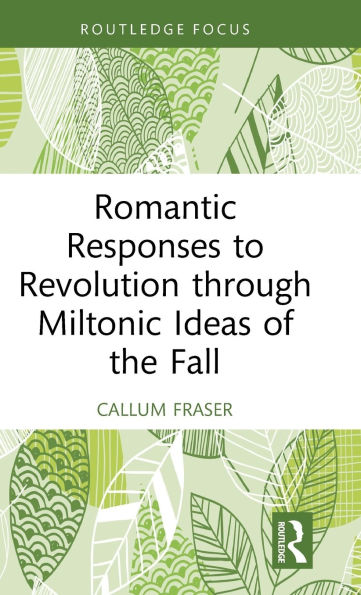
Romantic Responses to Revolution through Miltonic Ideas of the Fall in Chattanooga, TN
Current price: $66.99
Barnes and Noble
Romantic Responses to Revolution through Miltonic Ideas of the Fall in Chattanooga, TN
Current price: $66.99
Loading Inventory...
Size: Hardcover
Romantic Responses to Revolution through Miltonic Ideas of the Fall
explores the influence of John Milton’s epic poem,
Paradise Lost
, on a range of Romantic and post-Romantic writers. Specifically, the book examines the way in which these writers use the Fall, and the notion of ‘fallenness’—as envisioned in
—as a model for writing about their roles as poets/writers in periods of political and cultural turmoil.
This book will be of value to undergraduate and postgraduate students of English Literature with a specific interest in the Romantics. The writers and texts featured—including the ‘big six’ of Romantic poets, and three canonical novels of the early nineteenth century—are very widely studied on English Literature courses across the UK, US, and Europe. This makes the book an ideal reference text or inspiration point for essays, coursework, and theses, while the concise and accessible style should be especially appealing for undergraduates and lecturers looking for an approachable overview of Romantic responses to revolution and the influence of Milton.
explores the influence of John Milton’s epic poem,
Paradise Lost
, on a range of Romantic and post-Romantic writers. Specifically, the book examines the way in which these writers use the Fall, and the notion of ‘fallenness’—as envisioned in
—as a model for writing about their roles as poets/writers in periods of political and cultural turmoil.
This book will be of value to undergraduate and postgraduate students of English Literature with a specific interest in the Romantics. The writers and texts featured—including the ‘big six’ of Romantic poets, and three canonical novels of the early nineteenth century—are very widely studied on English Literature courses across the UK, US, and Europe. This makes the book an ideal reference text or inspiration point for essays, coursework, and theses, while the concise and accessible style should be especially appealing for undergraduates and lecturers looking for an approachable overview of Romantic responses to revolution and the influence of Milton.
Romantic Responses to Revolution through Miltonic Ideas of the Fall
explores the influence of John Milton’s epic poem,
Paradise Lost
, on a range of Romantic and post-Romantic writers. Specifically, the book examines the way in which these writers use the Fall, and the notion of ‘fallenness’—as envisioned in
—as a model for writing about their roles as poets/writers in periods of political and cultural turmoil.
This book will be of value to undergraduate and postgraduate students of English Literature with a specific interest in the Romantics. The writers and texts featured—including the ‘big six’ of Romantic poets, and three canonical novels of the early nineteenth century—are very widely studied on English Literature courses across the UK, US, and Europe. This makes the book an ideal reference text or inspiration point for essays, coursework, and theses, while the concise and accessible style should be especially appealing for undergraduates and lecturers looking for an approachable overview of Romantic responses to revolution and the influence of Milton.
explores the influence of John Milton’s epic poem,
Paradise Lost
, on a range of Romantic and post-Romantic writers. Specifically, the book examines the way in which these writers use the Fall, and the notion of ‘fallenness’—as envisioned in
—as a model for writing about their roles as poets/writers in periods of political and cultural turmoil.
This book will be of value to undergraduate and postgraduate students of English Literature with a specific interest in the Romantics. The writers and texts featured—including the ‘big six’ of Romantic poets, and three canonical novels of the early nineteenth century—are very widely studied on English Literature courses across the UK, US, and Europe. This makes the book an ideal reference text or inspiration point for essays, coursework, and theses, while the concise and accessible style should be especially appealing for undergraduates and lecturers looking for an approachable overview of Romantic responses to revolution and the influence of Milton.
You May Also Like








More About Barnes and Noble at Hamilton Place
Barnes & Noble is the world’s largest retail bookseller and a leading retailer of content, digital media and educational products. Our Nook Digital business offers a lineup of NOOK® tablets and e-Readers and an expansive collection of digital reading content through the NOOK Store®. Barnes & Noble’s mission is to operate the best omni-channel specialty retail business in America, helping both our customers and booksellers reach their aspirations, while being a credit to the communities we serve.
2100 Hamilton Pl Blvd, Chattanooga, TN 37421, United States
Find Barnes and Noble at Hamilton Place in Chattanooga, TN
Visit Barnes and Noble at Hamilton Place in Chattanooga, TN
