
Home
Rollin' & Tumblin': The King of Hill Country Blues
Barnes and Noble
Loading Inventory...
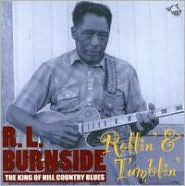
Rollin' & Tumblin': The King of Hill Country Blues in Chattanooga, TN
Current price: $13.99
Barnes and Noble
Rollin' & Tumblin': The King of Hill Country Blues in Chattanooga, TN
Current price: $13.99
Loading Inventory...
Size: OS
R.L. Burnside
, along with
Junior Kimbrough
, became the public face of the so-called North Mississippi hill country style of modal blues in the 1980s with several solid albums on the
Fat Possum
label, and while he tried on different hats during his run (even tracking a fine album backed by indie rocker
Jon Spencer
and his band), the blues he made essentially stayed in the same pocket, honed from years of playing weekend house parties and juke joints. His droning style, the style that all of the North Mississippi players used, was equal parts
John Lee Hooker
and
Fred McDowell
, designed to keep the beat steady for dancing and allowing minimal but effective interplay between voice and guitar, and it was as old as those hills themselves, somehow sounding both ancient and oddly contemporary all at once. This set, drawn from intimate recordings done in 1975, 1989, and 1991, features
Burnside
playing mostly solo -- both acoustic and electric -- in living rooms, on porches, and in jukes, and it provides a nicely sequenced portrait of this intriguing musician working away from a studio setting, not that what he did in the studios differed one degree from what he did outside of them. Highlights include two takes of
"Long Haired Doney,"
three of the signature
"Poor Black Mattie"
(both acoustic and electric), an endearing and intimate version of
"Goin' Down South,"
and a solid take on
Hooker
's
"Boogie Chillen"
that shows how large a role
played in the creation of the hill country sound and style. ~ Steve Leggett
, along with
Junior Kimbrough
, became the public face of the so-called North Mississippi hill country style of modal blues in the 1980s with several solid albums on the
Fat Possum
label, and while he tried on different hats during his run (even tracking a fine album backed by indie rocker
Jon Spencer
and his band), the blues he made essentially stayed in the same pocket, honed from years of playing weekend house parties and juke joints. His droning style, the style that all of the North Mississippi players used, was equal parts
John Lee Hooker
and
Fred McDowell
, designed to keep the beat steady for dancing and allowing minimal but effective interplay between voice and guitar, and it was as old as those hills themselves, somehow sounding both ancient and oddly contemporary all at once. This set, drawn from intimate recordings done in 1975, 1989, and 1991, features
Burnside
playing mostly solo -- both acoustic and electric -- in living rooms, on porches, and in jukes, and it provides a nicely sequenced portrait of this intriguing musician working away from a studio setting, not that what he did in the studios differed one degree from what he did outside of them. Highlights include two takes of
"Long Haired Doney,"
three of the signature
"Poor Black Mattie"
(both acoustic and electric), an endearing and intimate version of
"Goin' Down South,"
and a solid take on
Hooker
's
"Boogie Chillen"
that shows how large a role
played in the creation of the hill country sound and style. ~ Steve Leggett
R.L. Burnside
, along with
Junior Kimbrough
, became the public face of the so-called North Mississippi hill country style of modal blues in the 1980s with several solid albums on the
Fat Possum
label, and while he tried on different hats during his run (even tracking a fine album backed by indie rocker
Jon Spencer
and his band), the blues he made essentially stayed in the same pocket, honed from years of playing weekend house parties and juke joints. His droning style, the style that all of the North Mississippi players used, was equal parts
John Lee Hooker
and
Fred McDowell
, designed to keep the beat steady for dancing and allowing minimal but effective interplay between voice and guitar, and it was as old as those hills themselves, somehow sounding both ancient and oddly contemporary all at once. This set, drawn from intimate recordings done in 1975, 1989, and 1991, features
Burnside
playing mostly solo -- both acoustic and electric -- in living rooms, on porches, and in jukes, and it provides a nicely sequenced portrait of this intriguing musician working away from a studio setting, not that what he did in the studios differed one degree from what he did outside of them. Highlights include two takes of
"Long Haired Doney,"
three of the signature
"Poor Black Mattie"
(both acoustic and electric), an endearing and intimate version of
"Goin' Down South,"
and a solid take on
Hooker
's
"Boogie Chillen"
that shows how large a role
played in the creation of the hill country sound and style. ~ Steve Leggett
, along with
Junior Kimbrough
, became the public face of the so-called North Mississippi hill country style of modal blues in the 1980s with several solid albums on the
Fat Possum
label, and while he tried on different hats during his run (even tracking a fine album backed by indie rocker
Jon Spencer
and his band), the blues he made essentially stayed in the same pocket, honed from years of playing weekend house parties and juke joints. His droning style, the style that all of the North Mississippi players used, was equal parts
John Lee Hooker
and
Fred McDowell
, designed to keep the beat steady for dancing and allowing minimal but effective interplay between voice and guitar, and it was as old as those hills themselves, somehow sounding both ancient and oddly contemporary all at once. This set, drawn from intimate recordings done in 1975, 1989, and 1991, features
Burnside
playing mostly solo -- both acoustic and electric -- in living rooms, on porches, and in jukes, and it provides a nicely sequenced portrait of this intriguing musician working away from a studio setting, not that what he did in the studios differed one degree from what he did outside of them. Highlights include two takes of
"Long Haired Doney,"
three of the signature
"Poor Black Mattie"
(both acoustic and electric), an endearing and intimate version of
"Goin' Down South,"
and a solid take on
Hooker
's
"Boogie Chillen"
that shows how large a role
played in the creation of the hill country sound and style. ~ Steve Leggett
You May Also Like














More About Barnes and Noble at Hamilton Place
Barnes & Noble is the world’s largest retail bookseller and a leading retailer of content, digital media and educational products. Our Nook Digital business offers a lineup of NOOK® tablets and e-Readers and an expansive collection of digital reading content through the NOOK Store®. Barnes & Noble’s mission is to operate the best omni-channel specialty retail business in America, helping both our customers and booksellers reach their aspirations, while being a credit to the communities we serve.
2100 Hamilton Pl Blvd, Chattanooga, TN 37421, United States
Find Barnes and Noble at Hamilton Place in Chattanooga, TN
Visit Barnes and Noble at Hamilton Place in Chattanooga, TN
