
Home
Resilience and Posttraumatic Growth of Breast Cancer Survivors
Barnes and Noble
Loading Inventory...
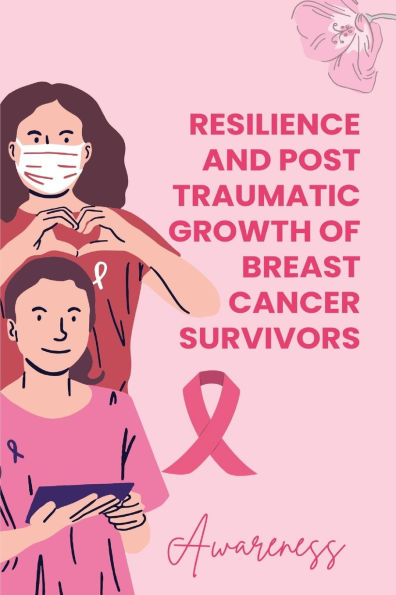
Resilience and Posttraumatic Growth of Breast Cancer Survivors in Chattanooga, TN
Current price: $32.99
Barnes and Noble
Resilience and Posttraumatic Growth of Breast Cancer Survivors in Chattanooga, TN
Current price: $32.99
Loading Inventory...
Size: OS
Although there is an abundance of information in the literature pertaining to breast cancer
resiliency and posttraumatic growth, research on the impact of early-life experiences that either
promote or detract from psychological growth in survivorship is lacking. This study investigated
whether resiliency and posttraumatic growth determined from some types of abusive experiences
during childhood mediate further growth when confronted with subsequent traumatic
experiences in adulthood, specifically breast cancer treatment/survival. Data were collected
through participant self-report of information using a retrospective questionnaire on perceived
childhood discipline and abuse, resiliency, and posttraumatic growth. Specifically, the Emotional
and Physical Abuse Questionnaire (EPAB) served as the abuse measure. The Predictive 6-Factor
Resilience Scale (PR6) was used to measure resilience, while the Posttraumatic Growth
Inventory (PTGI) measured posttraumatic growth. Results revealed that mild and severe
physical abuse as well as greater degrees of emotional abuse were significantly positively
associated with
posttraumatic growth. Emotional abuse was associated with resilience specifically when
survivors experience a sense of physical and emotional wellbeing, while physical abuse was not
associated with resilience even when considering wellbeing factors.
resiliency and posttraumatic growth, research on the impact of early-life experiences that either
promote or detract from psychological growth in survivorship is lacking. This study investigated
whether resiliency and posttraumatic growth determined from some types of abusive experiences
during childhood mediate further growth when confronted with subsequent traumatic
experiences in adulthood, specifically breast cancer treatment/survival. Data were collected
through participant self-report of information using a retrospective questionnaire on perceived
childhood discipline and abuse, resiliency, and posttraumatic growth. Specifically, the Emotional
and Physical Abuse Questionnaire (EPAB) served as the abuse measure. The Predictive 6-Factor
Resilience Scale (PR6) was used to measure resilience, while the Posttraumatic Growth
Inventory (PTGI) measured posttraumatic growth. Results revealed that mild and severe
physical abuse as well as greater degrees of emotional abuse were significantly positively
associated with
posttraumatic growth. Emotional abuse was associated with resilience specifically when
survivors experience a sense of physical and emotional wellbeing, while physical abuse was not
associated with resilience even when considering wellbeing factors.
Although there is an abundance of information in the literature pertaining to breast cancer
resiliency and posttraumatic growth, research on the impact of early-life experiences that either
promote or detract from psychological growth in survivorship is lacking. This study investigated
whether resiliency and posttraumatic growth determined from some types of abusive experiences
during childhood mediate further growth when confronted with subsequent traumatic
experiences in adulthood, specifically breast cancer treatment/survival. Data were collected
through participant self-report of information using a retrospective questionnaire on perceived
childhood discipline and abuse, resiliency, and posttraumatic growth. Specifically, the Emotional
and Physical Abuse Questionnaire (EPAB) served as the abuse measure. The Predictive 6-Factor
Resilience Scale (PR6) was used to measure resilience, while the Posttraumatic Growth
Inventory (PTGI) measured posttraumatic growth. Results revealed that mild and severe
physical abuse as well as greater degrees of emotional abuse were significantly positively
associated with
posttraumatic growth. Emotional abuse was associated with resilience specifically when
survivors experience a sense of physical and emotional wellbeing, while physical abuse was not
associated with resilience even when considering wellbeing factors.
resiliency and posttraumatic growth, research on the impact of early-life experiences that either
promote or detract from psychological growth in survivorship is lacking. This study investigated
whether resiliency and posttraumatic growth determined from some types of abusive experiences
during childhood mediate further growth when confronted with subsequent traumatic
experiences in adulthood, specifically breast cancer treatment/survival. Data were collected
through participant self-report of information using a retrospective questionnaire on perceived
childhood discipline and abuse, resiliency, and posttraumatic growth. Specifically, the Emotional
and Physical Abuse Questionnaire (EPAB) served as the abuse measure. The Predictive 6-Factor
Resilience Scale (PR6) was used to measure resilience, while the Posttraumatic Growth
Inventory (PTGI) measured posttraumatic growth. Results revealed that mild and severe
physical abuse as well as greater degrees of emotional abuse were significantly positively
associated with
posttraumatic growth. Emotional abuse was associated with resilience specifically when
survivors experience a sense of physical and emotional wellbeing, while physical abuse was not
associated with resilience even when considering wellbeing factors.
You May Also Like











More About Barnes and Noble at Hamilton Place
Barnes & Noble is the world’s largest retail bookseller and a leading retailer of content, digital media and educational products. Our Nook Digital business offers a lineup of NOOK® tablets and e-Readers and an expansive collection of digital reading content through the NOOK Store®. Barnes & Noble’s mission is to operate the best omni-channel specialty retail business in America, helping both our customers and booksellers reach their aspirations, while being a credit to the communities we serve.
2100 Hamilton Pl Blvd, Chattanooga, TN 37421, United States
Find Barnes and Noble at Hamilton Place in Chattanooga, TN
Visit Barnes and Noble at Hamilton Place in Chattanooga, TN
