
Home
Research Handbook on Judging and the Judiciary
Barnes and Noble
Loading Inventory...
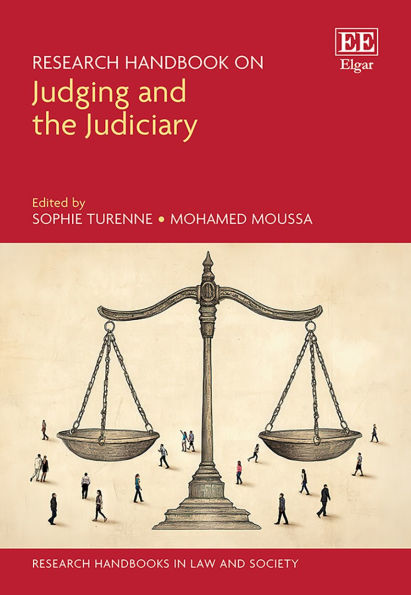
Research Handbook on Judging and the Judiciary in Chattanooga, TN
Current price: $300.00
Barnes and Noble
Research Handbook on Judging and the Judiciary in Chattanooga, TN
Current price: $300.00
Loading Inventory...
Size: OS
In this timely Research Handbook, leading legal scholars join forces with political scientists to discuss court adjudication in common and civil law systems. Chapters cover topical problems and debates in judicial studies and examine the institutional framework within which judges operate.
Developing a multidisciplinary analysis that combines legal, sociolegal, and political science perspectives, this Research Handbook explores the transformation of the justice system, adopting a contextual approach to court adjudication. Expert authors explore the use of generative AI, normative expectations about judgementmaking and the effect on inclusive or responsive judging, and the role of court presidents, judicial associations, and judicial councils. Ultimately, the Research Handbook advances the understanding of the judiciary by highlighting elements of the justice system that are conducive to trust and judicial legitimacy, while suggesting avenues for further research.
The
Research Handbook on Judging and the Judiciary
is an essential reference for sociolegal scholars and students of law and society. Constitutional lawyers, political scientists engaged in research concerning the judiciary, judges and other stakeholders in the justice reform sector would also benefit from the discussions in this important resource.
Developing a multidisciplinary analysis that combines legal, sociolegal, and political science perspectives, this Research Handbook explores the transformation of the justice system, adopting a contextual approach to court adjudication. Expert authors explore the use of generative AI, normative expectations about judgementmaking and the effect on inclusive or responsive judging, and the role of court presidents, judicial associations, and judicial councils. Ultimately, the Research Handbook advances the understanding of the judiciary by highlighting elements of the justice system that are conducive to trust and judicial legitimacy, while suggesting avenues for further research.
The
Research Handbook on Judging and the Judiciary
is an essential reference for sociolegal scholars and students of law and society. Constitutional lawyers, political scientists engaged in research concerning the judiciary, judges and other stakeholders in the justice reform sector would also benefit from the discussions in this important resource.
In this timely Research Handbook, leading legal scholars join forces with political scientists to discuss court adjudication in common and civil law systems. Chapters cover topical problems and debates in judicial studies and examine the institutional framework within which judges operate.
Developing a multidisciplinary analysis that combines legal, sociolegal, and political science perspectives, this Research Handbook explores the transformation of the justice system, adopting a contextual approach to court adjudication. Expert authors explore the use of generative AI, normative expectations about judgementmaking and the effect on inclusive or responsive judging, and the role of court presidents, judicial associations, and judicial councils. Ultimately, the Research Handbook advances the understanding of the judiciary by highlighting elements of the justice system that are conducive to trust and judicial legitimacy, while suggesting avenues for further research.
The
Research Handbook on Judging and the Judiciary
is an essential reference for sociolegal scholars and students of law and society. Constitutional lawyers, political scientists engaged in research concerning the judiciary, judges and other stakeholders in the justice reform sector would also benefit from the discussions in this important resource.
Developing a multidisciplinary analysis that combines legal, sociolegal, and political science perspectives, this Research Handbook explores the transformation of the justice system, adopting a contextual approach to court adjudication. Expert authors explore the use of generative AI, normative expectations about judgementmaking and the effect on inclusive or responsive judging, and the role of court presidents, judicial associations, and judicial councils. Ultimately, the Research Handbook advances the understanding of the judiciary by highlighting elements of the justice system that are conducive to trust and judicial legitimacy, while suggesting avenues for further research.
The
Research Handbook on Judging and the Judiciary
is an essential reference for sociolegal scholars and students of law and society. Constitutional lawyers, political scientists engaged in research concerning the judiciary, judges and other stakeholders in the justice reform sector would also benefit from the discussions in this important resource.
You May Also Like












More About Barnes and Noble at Hamilton Place
Barnes & Noble is the world’s largest retail bookseller and a leading retailer of content, digital media and educational products. Our Nook Digital business offers a lineup of NOOK® tablets and e-Readers and an expansive collection of digital reading content through the NOOK Store®. Barnes & Noble’s mission is to operate the best omni-channel specialty retail business in America, helping both our customers and booksellers reach their aspirations, while being a credit to the communities we serve.
2100 Hamilton Pl Blvd, Chattanooga, TN 37421, United States
Find Barnes and Noble at Hamilton Place in Chattanooga, TN
Visit Barnes and Noble at Hamilton Place in Chattanooga, TN
