
Home
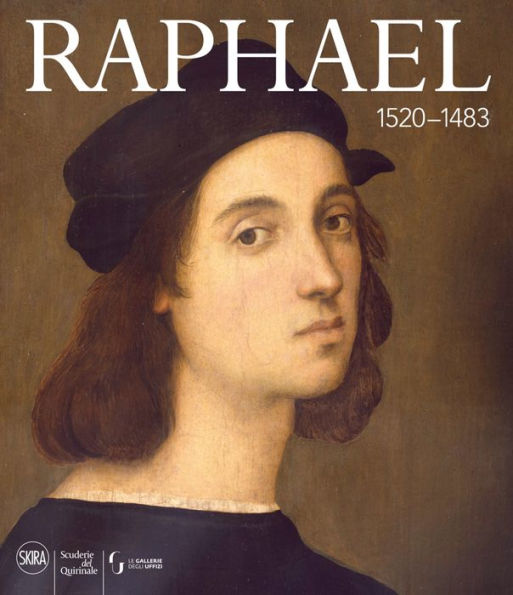
Raphael: 1520-1483
Barnes and Noble
Loading Inventory...
Raphael: 1520-1483 in Chattanooga, TN
Current price: $65.00
Barnes and Noble
Raphael: 1520-1483 in Chattanooga, TN
Current price: $65.00
Loading Inventory...
Size: OS
The High Renaissance master revisited in a gorgeous and authoritative new monograph
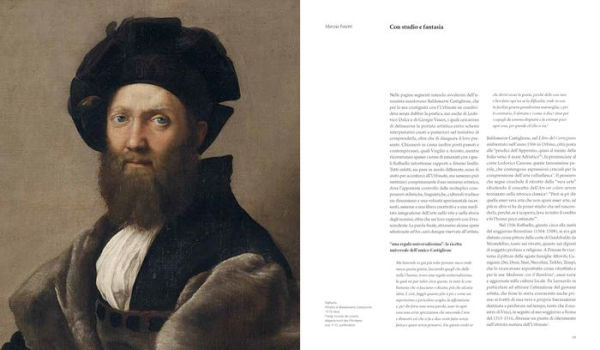
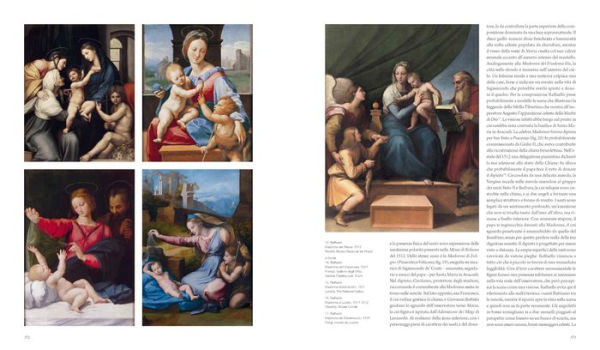
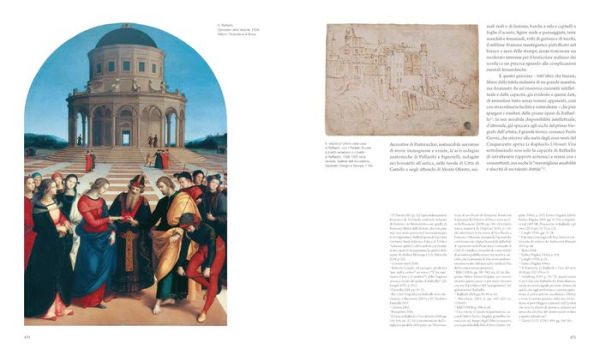
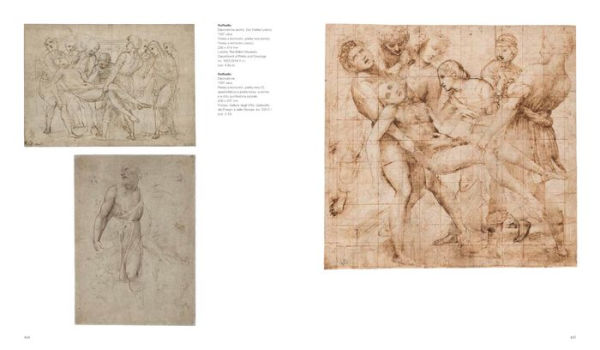
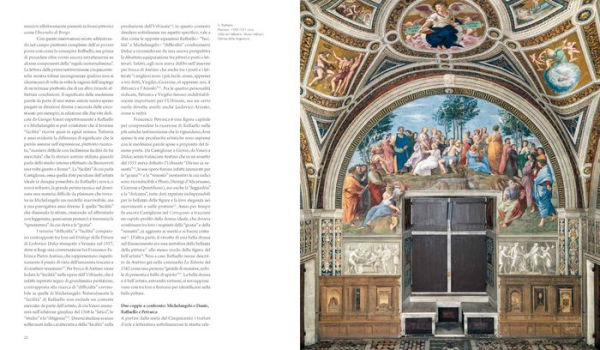
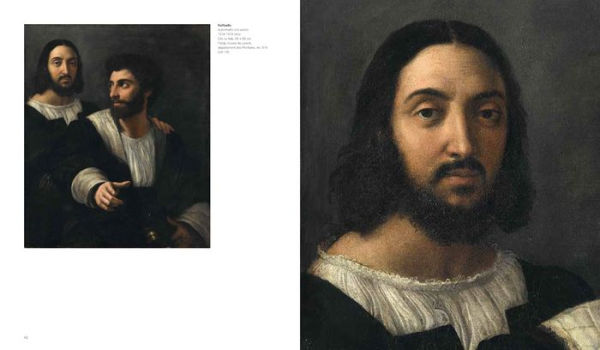
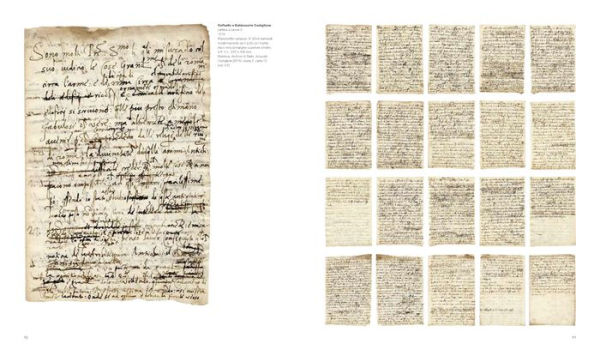
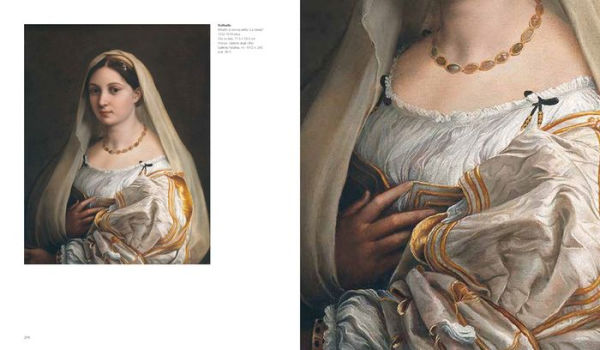
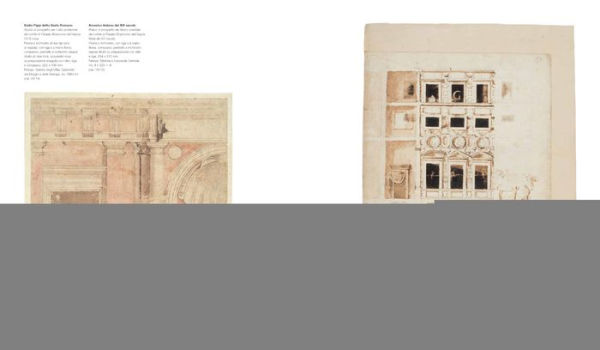
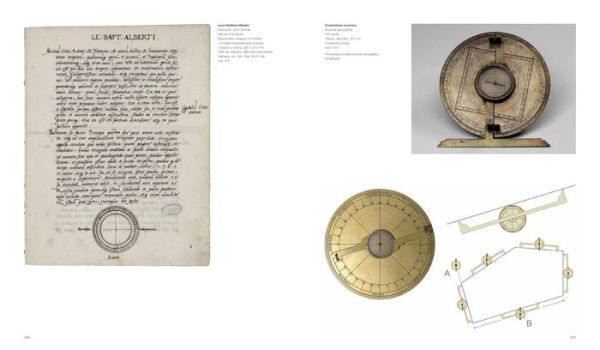
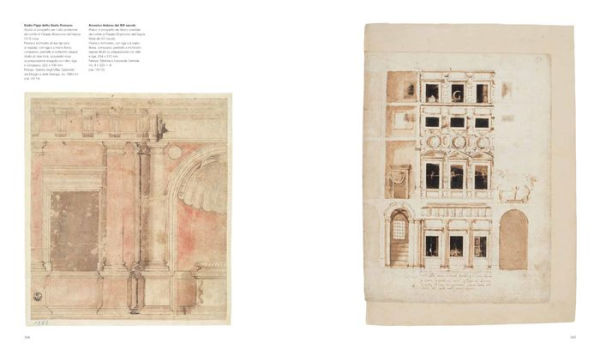
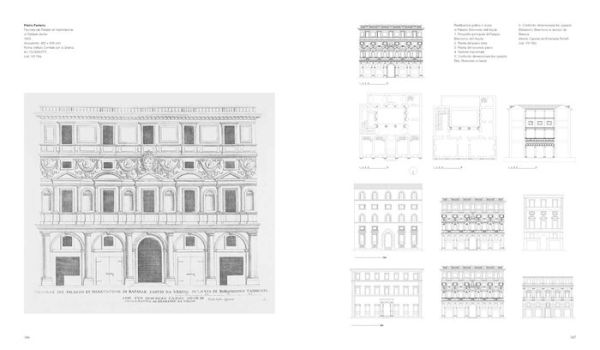
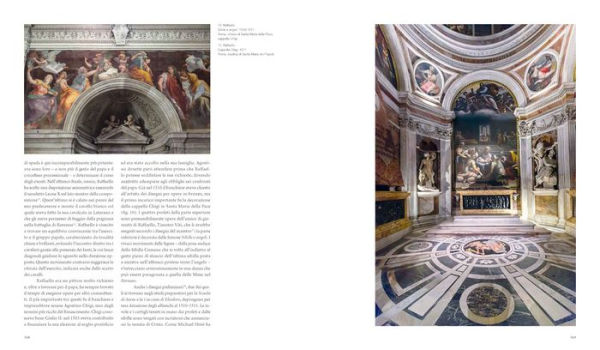
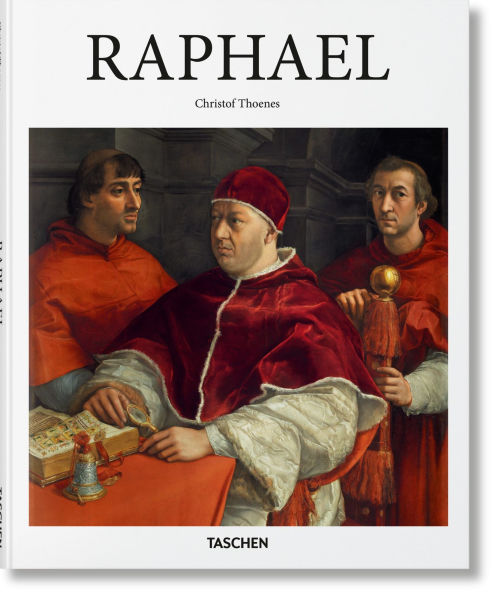
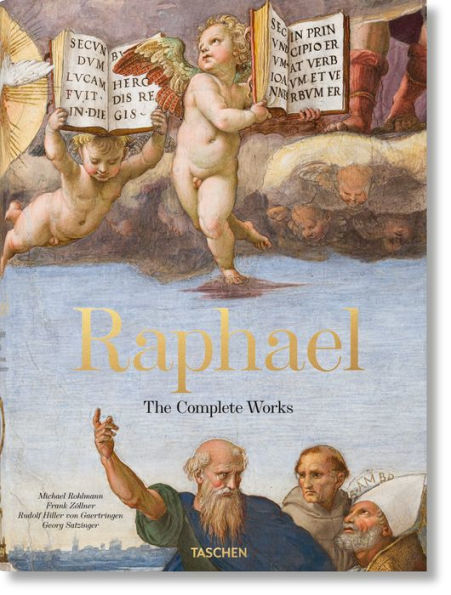
On the 500th anniversary of Raphael’s death, the Uffizi in Florence has assembled one of the world’s most ambitious exhibitions to honor the High Renaissance painter and his lasting legacy. This publication follows the trajectory of Raphael’s life and career in reverse, beginning with his early death in 1520 before highlighting his formative years between Urbino, Città di Castello, Perugia and Siena. During his relatively brief lifetime, Raphael produced masterful works with an astonishing prolificacy. In his frescoes commissioned by Pope Julius II, Raphael demonstrates an unparalleled mastery of composition and perspective, embodying the Renaissance’s spirit of idealized beauty. These frescoes, which include
The School of Athens
, are among the hundreds of pieces reproduced in this extensive monograph, which also features writing and research by Italy’s leading curators and art historians.
Born Raffaello Sanzio da Urbino at the onset of the Italian Renaissance, painter and architect
Raphael
(1483-1520) became one of the era’sand subsequently one of history’smost admired artists. The son of a court painter, Raphael began his career early in his hometown of Urbino and quickly became known throughout Italy for his portraiture and religious paintings. In 1508, the Pope tasked him with the redecoration of the papal apartments. He then remained in Rome for many years, continuing with his painting until he was appointed head architect of St. Peter’s Basilica in 1518. He died on what may have been his 37th birthday in Rome.
On the 500th anniversary of Raphael’s death, the Uffizi in Florence has assembled one of the world’s most ambitious exhibitions to honor the High Renaissance painter and his lasting legacy. This publication follows the trajectory of Raphael’s life and career in reverse, beginning with his early death in 1520 before highlighting his formative years between Urbino, Città di Castello, Perugia and Siena. During his relatively brief lifetime, Raphael produced masterful works with an astonishing prolificacy. In his frescoes commissioned by Pope Julius II, Raphael demonstrates an unparalleled mastery of composition and perspective, embodying the Renaissance’s spirit of idealized beauty. These frescoes, which include
The School of Athens
, are among the hundreds of pieces reproduced in this extensive monograph, which also features writing and research by Italy’s leading curators and art historians.
Born Raffaello Sanzio da Urbino at the onset of the Italian Renaissance, painter and architect
Raphael
(1483-1520) became one of the era’sand subsequently one of history’smost admired artists. The son of a court painter, Raphael began his career early in his hometown of Urbino and quickly became known throughout Italy for his portraiture and religious paintings. In 1508, the Pope tasked him with the redecoration of the papal apartments. He then remained in Rome for many years, continuing with his painting until he was appointed head architect of St. Peter’s Basilica in 1518. He died on what may have been his 37th birthday in Rome.
The High Renaissance master revisited in a gorgeous and authoritative new monograph
On the 500th anniversary of Raphael’s death, the Uffizi in Florence has assembled one of the world’s most ambitious exhibitions to honor the High Renaissance painter and his lasting legacy. This publication follows the trajectory of Raphael’s life and career in reverse, beginning with his early death in 1520 before highlighting his formative years between Urbino, Città di Castello, Perugia and Siena. During his relatively brief lifetime, Raphael produced masterful works with an astonishing prolificacy. In his frescoes commissioned by Pope Julius II, Raphael demonstrates an unparalleled mastery of composition and perspective, embodying the Renaissance’s spirit of idealized beauty. These frescoes, which include
The School of Athens
, are among the hundreds of pieces reproduced in this extensive monograph, which also features writing and research by Italy’s leading curators and art historians.
Born Raffaello Sanzio da Urbino at the onset of the Italian Renaissance, painter and architect
Raphael
(1483-1520) became one of the era’sand subsequently one of history’smost admired artists. The son of a court painter, Raphael began his career early in his hometown of Urbino and quickly became known throughout Italy for his portraiture and religious paintings. In 1508, the Pope tasked him with the redecoration of the papal apartments. He then remained in Rome for many years, continuing with his painting until he was appointed head architect of St. Peter’s Basilica in 1518. He died on what may have been his 37th birthday in Rome.
On the 500th anniversary of Raphael’s death, the Uffizi in Florence has assembled one of the world’s most ambitious exhibitions to honor the High Renaissance painter and his lasting legacy. This publication follows the trajectory of Raphael’s life and career in reverse, beginning with his early death in 1520 before highlighting his formative years between Urbino, Città di Castello, Perugia and Siena. During his relatively brief lifetime, Raphael produced masterful works with an astonishing prolificacy. In his frescoes commissioned by Pope Julius II, Raphael demonstrates an unparalleled mastery of composition and perspective, embodying the Renaissance’s spirit of idealized beauty. These frescoes, which include
The School of Athens
, are among the hundreds of pieces reproduced in this extensive monograph, which also features writing and research by Italy’s leading curators and art historians.
Born Raffaello Sanzio da Urbino at the onset of the Italian Renaissance, painter and architect
Raphael
(1483-1520) became one of the era’sand subsequently one of history’smost admired artists. The son of a court painter, Raphael began his career early in his hometown of Urbino and quickly became known throughout Italy for his portraiture and religious paintings. In 1508, the Pope tasked him with the redecoration of the papal apartments. He then remained in Rome for many years, continuing with his painting until he was appointed head architect of St. Peter’s Basilica in 1518. He died on what may have been his 37th birthday in Rome.
You May Also Like









More About Barnes and Noble at Hamilton Place
Barnes & Noble is the world’s largest retail bookseller and a leading retailer of content, digital media and educational products. Our Nook Digital business offers a lineup of NOOK® tablets and e-Readers and an expansive collection of digital reading content through the NOOK Store®. Barnes & Noble’s mission is to operate the best omni-channel specialty retail business in America, helping both our customers and booksellers reach their aspirations, while being a credit to the communities we serve.
2100 Hamilton Pl Blvd, Chattanooga, TN 37421, United States
Find Barnes and Noble at Hamilton Place in Chattanooga, TN
Visit Barnes and Noble at Hamilton Place in Chattanooga, TN