
Home
Production & Pack Non-Carbo Fruit
Barnes and Noble
Loading Inventory...
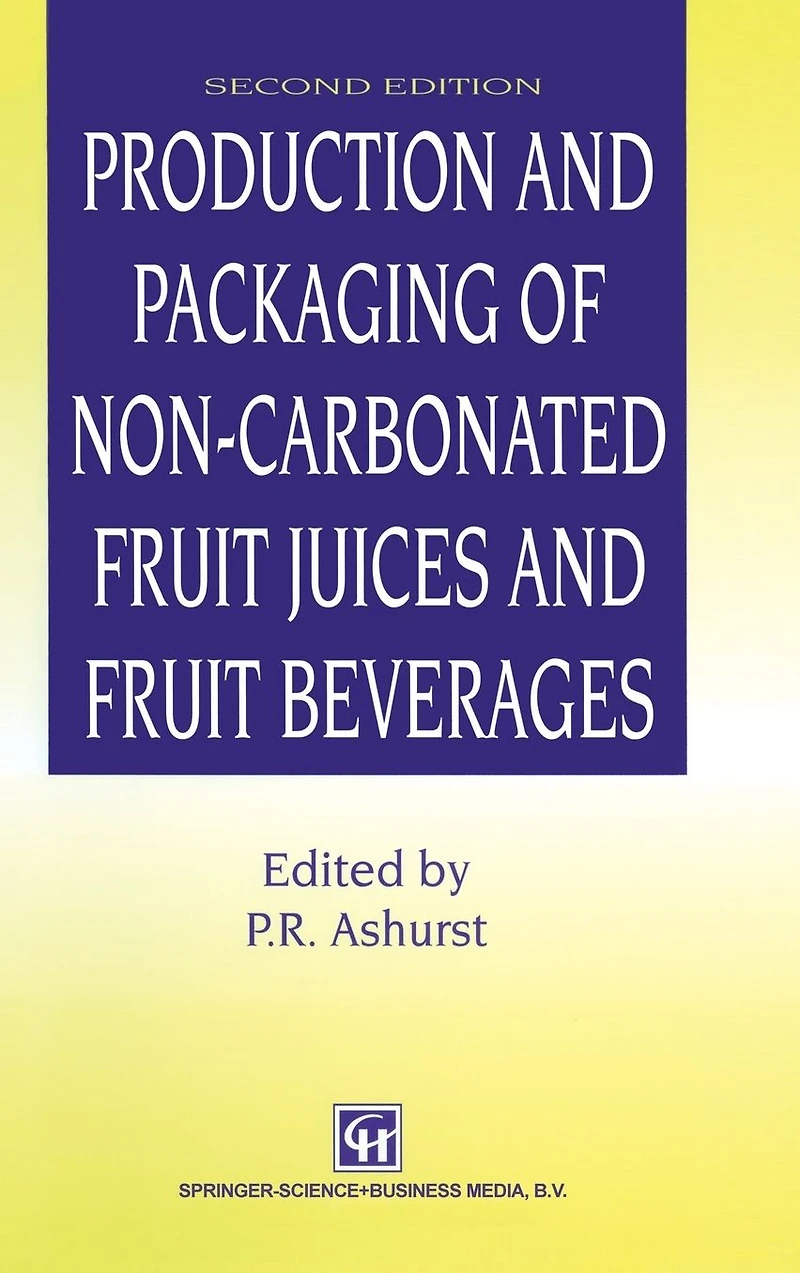
Production & Pack Non-Carbo Fruit in Chattanooga, TN
By Barnes & Noble
Current price: $182.00
Barnes and Noble
Production & Pack Non-Carbo Fruit in Chattanooga, TN
By Barnes & Noble
Current price: $182.00
Loading Inventory...
Size: Hardcover
1 Authentication of orange juice.- 1.1 Introduction.- 1.1.1 Incidence of adulteration.- 1.1.2 The market for frozen concentrated orange juice.- 1.1.3 Factors affecting adulteration.- 1.1.4 Combating fake juice.- 1.2 Analysis.- 1.2.1 Minerals.- 1.2.2 Organic acids.- 1.2.3 Sugars.- 1.2.4 Isotopic methods.- 1.2.5 Photometric methods.- 1.2.6 Amino acids.- 1.2.7 Methods of limited application.- 1.2.8 Future possibilities.- 1.3 Statistics.- 1.3.1 Introduction and the Gaussian distribution.- 1.3.2 Some problems of statistical interpretation.- 1.3.3 Ratios as variates.- 1.3.4 Multivariate techniques.- 1.3.5 Pattern recognition analysis.- 1.4 Recent developments in orange juice adulteration.- 1.4.1 Introduction.- 1.4.2 The SNIF-NMR method.- 1.4.3 Multi-isotopic fingerprint of fruit juices.- 1.4.4 Further applications of the SNIF-NMR method.- 1.4.5 The implications for orange juice authentication under the UK Food Safety Act 1990.- References.- 2 Chemistry and technology of citrus juices and by-products.- 2.1 Principal citrus cultivars.- 2.1.1 Origin of citrus.- 2.1.2 Commercial citrus regions.- 2.1.3 Citrus growing areas.- 2.1.4 Effect of frost.- 2.1.5 Effect of soil.- 2.2 Composition and structure of citrus fruits and juices of various cultivars.- 2.2.1 General relationship.- 2.2.2 Organic acids.- 2.2.3 Carbohydrates.- 2.2.4 Color pigments.- 2.2.5 Vitamins and inorganic constituents.- 2.2.6 Flavonoids.- 2.2.7 Lipids.- 2.3 Operational procedures and effects on quality and shelf life of citrus juices.- 2.3.1 Outline of good manufacturing and processing procedures.- 2.4 Citrus juice flavor enhancement with natural citrus volatiles.- 2.4.1 Components of citrus juice flavor.- 2.4.2 Citrus flavor enhancement technology.- 2.4.3 Citrus oils and aroma and their recovery.- 2.5 Pectic substances and relationship of citrus enzymes to juice quality.- 2.6 Effect of time, temperature and other factors on citrus products.- References.- 3 Grape juice processing.- 3.1 History of grape juice processing in North America.- 3.2 Grape cultivars.- 3.3 The chemistry of grape juice.- 3.3.1 Carbohydrates.- 3.3.2 Acids.- 3.3.3 Mineral content.- 3.3.4 Phenolics.- 3.3.5 Volatiles.- 3.4 Modern grape juice processing.- 3.4.1 Harvesting/ripening.- 3.4.2 Stemmer/crusher operation.- 3.4.3 Hot-break process.- 3.4.4 De-juicing/pressing operation.- 3.4.5 Coarse filtration.- 3.4.6 Bulk storage and tartrate precipitation.- 3.4.7 Enzyme clarification.- 3.4.8 Polish (fine) filtration.- 3.4.9 Hot fill.- 3.5 Process alternatives.- 3.5.1 Cold-pressing.- 3.5.2 Aseptic process.- 3.5.3 Concentration.- 3.5.4 Sulfur dioxide preservative.- References.- 4 Tropical fruit juices.- 4.1 Introduction.- 4.2 Guava.- 4.3 Mango.- 4.4 Passionfruit.- 4.5 Pineapple.- 4.6 Other tropical fruits.- 4.6.1 Acerola.- 4.6.2 Banana.- 4.6.3 Kiwifruit.- 4.6.4 Lulo.- 4.6.5 Papaya.- 4.6.6 Soursop.- 4.6.7 Umbu.- 4.7 Tropical fruit juices in Europe today.- 4.8 The future.- Further reading.- 5 Growing and marketing soft fruit for juices and beverages.- 5.1 Introduction.- 5.2 Selling the fruit crop: the options.- 5.2.1 The market place.- 5.2.2 Minimum import prices.- 5.2.3 The long term contract.- 5.3 Producing the soft fruit crop.- 5.4 Blackcurrants.- 5.4.1 General.- 5.4.2 Siting.- 5.4.3 Manuring.- 5.4.4 Varieties.- 5.4.5 Propagation.- 5.4.6 Planting.- 5.4.7 Weed control.- 5.4.8 Frost protection.- 5.4.9 Harvesting/handling.- 5.4.10 Control of fruit quality at harvesting.- 5.4.11 Plantation life.- 5.5 Control of fruit pests and diseases.- 5.5.1 'Organic' production of fruit.- 5.5.2 Selection of pesticides for crop protection.- 5.6 Pests and diseases of blackcurrants.- 5.6.1 Viruses.- 5.6.2 Arthropods.- 5.6.3 Fungi.- 5.7 Other soft fruits.- 5.7.1 Strawberries.- 5.7.2 Raspberries.- 5.7.3 Gooseberries.- 5.7.4 Red currants.- 5.7.5 Blackberries.- 5.8 Storing fruit for processing.- 5.9 The future-blackcurrant research and development (R & D).- 6 Apple juice.- 6.1 General background.- 6.1.1 Juice extraction.- 6.1.2 Po...
1 Authentication of orange juice.- 1.1 Introduction.- 1.1.1 Incidence of adulteration.- 1.1.2 The market for frozen concentrated orange juice.- 1.1.3 Factors affecting adulteration.- 1.1.4 Combating fake juice.- 1.2 Analysis.- 1.2.1 Minerals.- 1.2.2 Organic acids.- 1.2.3 Sugars.- 1.2.4 Isotopic methods.- 1.2.5 Photometric methods.- 1.2.6 Amino acids.- 1.2.7 Methods of limited application.- 1.2.8 Future possibilities.- 1.3 Statistics.- 1.3.1 Introduction and the Gaussian distribution.- 1.3.2 Some problems of statistical interpretation.- 1.3.3 Ratios as variates.- 1.3.4 Multivariate techniques.- 1.3.5 Pattern recognition analysis.- 1.4 Recent developments in orange juice adulteration.- 1.4.1 Introduction.- 1.4.2 The SNIF-NMR method.- 1.4.3 Multi-isotopic fingerprint of fruit juices.- 1.4.4 Further applications of the SNIF-NMR method.- 1.4.5 The implications for orange juice authentication under the UK Food Safety Act 1990.- References.- 2 Chemistry and technology of citrus juices and by-products.- 2.1 Principal citrus cultivars.- 2.1.1 Origin of citrus.- 2.1.2 Commercial citrus regions.- 2.1.3 Citrus growing areas.- 2.1.4 Effect of frost.- 2.1.5 Effect of soil.- 2.2 Composition and structure of citrus fruits and juices of various cultivars.- 2.2.1 General relationship.- 2.2.2 Organic acids.- 2.2.3 Carbohydrates.- 2.2.4 Color pigments.- 2.2.5 Vitamins and inorganic constituents.- 2.2.6 Flavonoids.- 2.2.7 Lipids.- 2.3 Operational procedures and effects on quality and shelf life of citrus juices.- 2.3.1 Outline of good manufacturing and processing procedures.- 2.4 Citrus juice flavor enhancement with natural citrus volatiles.- 2.4.1 Components of citrus juice flavor.- 2.4.2 Citrus flavor enhancement technology.- 2.4.3 Citrus oils and aroma and their recovery.- 2.5 Pectic substances and relationship of citrus enzymes to juice quality.- 2.6 Effect of time, temperature and other factors on citrus products.- References.- 3 Grape juice processing.- 3.1 History of grape juice processing in North America.- 3.2 Grape cultivars.- 3.3 The chemistry of grape juice.- 3.3.1 Carbohydrates.- 3.3.2 Acids.- 3.3.3 Mineral content.- 3.3.4 Phenolics.- 3.3.5 Volatiles.- 3.4 Modern grape juice processing.- 3.4.1 Harvesting/ripening.- 3.4.2 Stemmer/crusher operation.- 3.4.3 Hot-break process.- 3.4.4 De-juicing/pressing operation.- 3.4.5 Coarse filtration.- 3.4.6 Bulk storage and tartrate precipitation.- 3.4.7 Enzyme clarification.- 3.4.8 Polish (fine) filtration.- 3.4.9 Hot fill.- 3.5 Process alternatives.- 3.5.1 Cold-pressing.- 3.5.2 Aseptic process.- 3.5.3 Concentration.- 3.5.4 Sulfur dioxide preservative.- References.- 4 Tropical fruit juices.- 4.1 Introduction.- 4.2 Guava.- 4.3 Mango.- 4.4 Passionfruit.- 4.5 Pineapple.- 4.6 Other tropical fruits.- 4.6.1 Acerola.- 4.6.2 Banana.- 4.6.3 Kiwifruit.- 4.6.4 Lulo.- 4.6.5 Papaya.- 4.6.6 Soursop.- 4.6.7 Umbu.- 4.7 Tropical fruit juices in Europe today.- 4.8 The future.- Further reading.- 5 Growing and marketing soft fruit for juices and beverages.- 5.1 Introduction.- 5.2 Selling the fruit crop: the options.- 5.2.1 The market place.- 5.2.2 Minimum import prices.- 5.2.3 The long term contract.- 5.3 Producing the soft fruit crop.- 5.4 Blackcurrants.- 5.4.1 General.- 5.4.2 Siting.- 5.4.3 Manuring.- 5.4.4 Varieties.- 5.4.5 Propagation.- 5.4.6 Planting.- 5.4.7 Weed control.- 5.4.8 Frost protection.- 5.4.9 Harvesting/handling.- 5.4.10 Control of fruit quality at harvesting.- 5.4.11 Plantation life.- 5.5 Control of fruit pests and diseases.- 5.5.1 'Organic' production of fruit.- 5.5.2 Selection of pesticides for crop protection.- 5.6 Pests and diseases of blackcurrants.- 5.6.1 Viruses.- 5.6.2 Arthropods.- 5.6.3 Fungi.- 5.7 Other soft fruits.- 5.7.1 Strawberries.- 5.7.2 Raspberries.- 5.7.3 Gooseberries.- 5.7.4 Red currants.- 5.7.5 Blackberries.- 5.8 Storing fruit for processing.- 5.9 The future-blackcurrant research and development (R & D).- 6 Apple juice.- 6.1 General background.- 6.1.1 Juice extraction.- 6.1.2 Po...
You May Also Like











More About Barnes and Noble at Hamilton Place
Barnes & Noble is the world’s largest retail bookseller and a leading retailer of content, digital media and educational products. Our Nook Digital business offers a lineup of NOOK® tablets and e-Readers and an expansive collection of digital reading content through the NOOK Store®. Barnes & Noble’s mission is to operate the best omni-channel specialty retail business in America, helping both our customers and booksellers reach their aspirations, while being a credit to the communities we serve.
2100 Hamilton Pl Blvd, Chattanooga, TN 37421, United States
Find Barnes and Noble at Hamilton Place in Chattanooga, TN
Visit Barnes and Noble at Hamilton Place in Chattanooga, TN
