
Home
Process Control Systems : Principles of Design, Operation and Interfacing
Barnes and Noble
Loading Inventory...
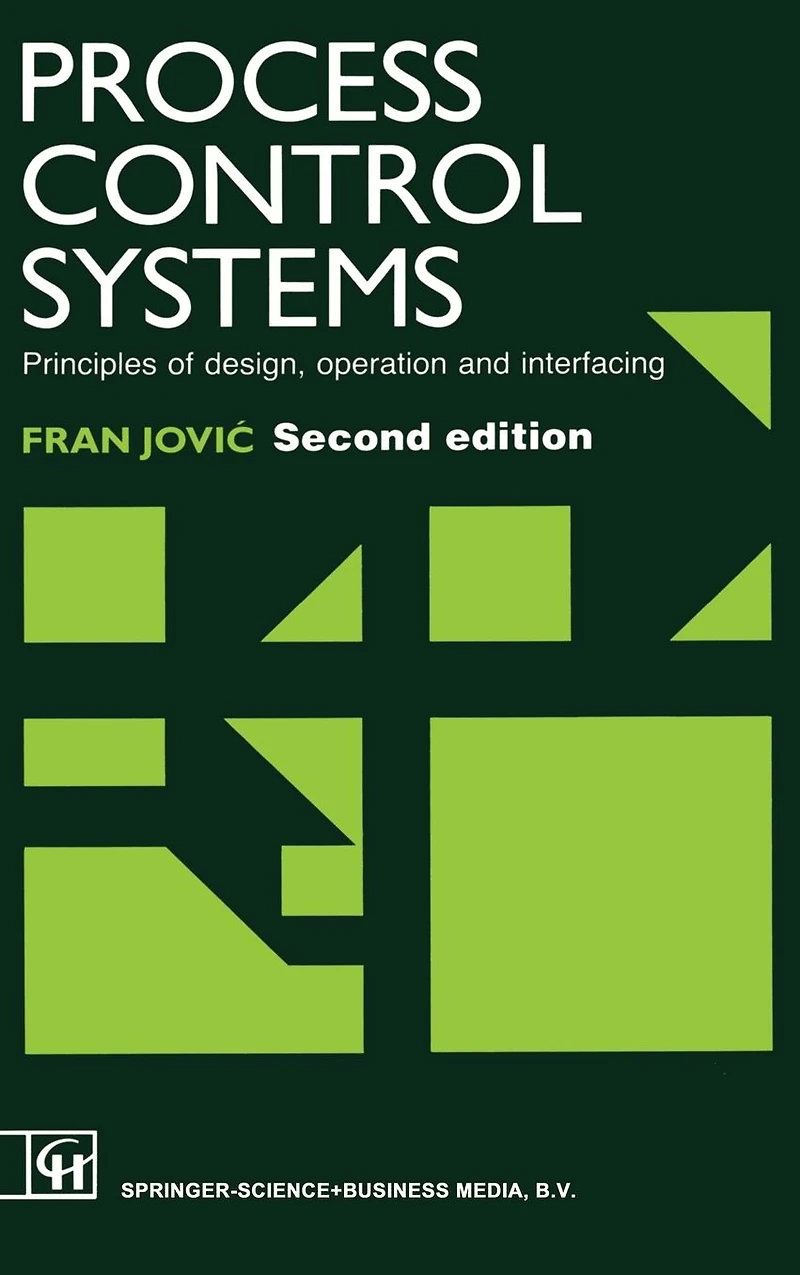
Process Control Systems : Principles of Design, Operation and Interfacing in Chattanooga, TN
By Barnes & Noble
Current price: $184.50
Barnes and Noble
Process Control Systems : Principles of Design, Operation and Interfacing in Chattanooga, TN
By Barnes & Noble
Current price: $184.50
Loading Inventory...
Size: Hardcover
One Systems, Processes and the Role of Process Control Hardware.- 1 Signals, systems and process control.- 1.1 Introduction.- 1.2 A system approach to process control systems.- 1.3 Signals.- 1.4 Systems.- 1.5 The basic analytical concept of process control systems.- References.- 2 The basic process unit.- 2.1 Introduction.- 2.2 The basic process unit.- 2.3 Basic process unit data processing.- 2.4 Process hardware for data input.- 2.5 Process hardware for data output.- 2.6 Auxiliary data for process control.- References.- 3 Stratification of control tasks and data communication.- 3.1 Introduction.- 3.2 Stratification of computer tasks.- 3.3 Control levels and computer input/output hardware.- 3.4 Characteristics of process control computer systems.- 3.5 A survey of process control computer hardware.- 3.6 Communication codes and circuits.- 3.7 Channel capacity.- 3.8 Types of connection and communication hardware.- 3.9 Practical suggestions and recommendations.- 3.10 Open-ended communication in process control.- 3.11 Communication of smart process devices.- References.- Two The Role of Software in Process Control Systems.- 4 The relative roles of software and hardware.- 4.1 Introduction.- 4.2 Data processing.- 4.3 Software for process control data processing.- 4.4 Software versus hardware.- References.- 5 System software.- 5.1 Introduction.- 5.2 Basic concepts of real-time operating systems.- 5.3 Structure and functions of real-time operating systems.- 5.4 Data and symbols for the operating systems.- 5.5 System software.- 5.6 Cost, safety and reliability of operating system software.- References.- 6 Application programs and databases.- 6.1 Introduction.- 6.2 Application program tasks.- 6.3 Structure and timing requirement of application programs.- 6.4 Database and basic process software.- 6.5 Distributed database.- 6.6 Extended real-time software.- References.- Three The Man-Machine Interface.- 7 Reduction and visualization of data and procedures.- 7.1 Introduction.- 7.2 Operator-system communication.- 7.3 Visualization and data logging.- 7.4 Recognition of process states.- References.- 8 Process management and control.- 8.1 Introduction.- 8.2 Process states.- 8.3 Operator/process interaction - actions, commands and timing.- 8.4 Process protection and automatic actions.- References.- 9 The role of the operator in process control systems.- 9.1 Introduction.- 9.2 Formalization of the operator's role.- 9.3 Artificial inferencing tools - expert systems for process supervision and diagnostics.- 9.4 Controlling the operator's work using a process control system.- 9.5 The operator's reaction to process control systems.- 9.6 The limits of the operator's function.- References.- Four System Design.- 10 The feasibility study.- 10.1 Introduction.- 10.2 Data volumes and flows.- 10.3 Stratification of process control and basic system design.- 10.4 Cost/benefit analysis.- 10.5 Benefits.- References.- 11 Computer control system design.- 11.1 Introduction.- 11.2 Communication design.- 11.3 Data transmission units.- 11.4 Designing control and dispatching centres.- 12 Cost-effective system selection.- 12.1 Introduction.- 12.2 Buying and testing hardware.- 12.3 Designing and testing software.- 12.4 Human factors in system assembly.- 12.5 Programming teams.- References.- 13 The integrated approach.- 13.1 Introduction.- 13.2 Mounting and installation procedure.- 13.3 Testing and reliability.- 13.4 System commissioning.- 13.5 Commissioning and safety.- 13.6 Training personnel.- 13.7 Maintenance.- References.- Author index.
One Systems, Processes and the Role of Process Control Hardware.- 1 Signals, systems and process control.- 1.1 Introduction.- 1.2 A system approach to process control systems.- 1.3 Signals.- 1.4 Systems.- 1.5 The basic analytical concept of process control systems.- References.- 2 The basic process unit.- 2.1 Introduction.- 2.2 The basic process unit.- 2.3 Basic process unit data processing.- 2.4 Process hardware for data input.- 2.5 Process hardware for data output.- 2.6 Auxiliary data for process control.- References.- 3 Stratification of control tasks and data communication.- 3.1 Introduction.- 3.2 Stratification of computer tasks.- 3.3 Control levels and computer input/output hardware.- 3.4 Characteristics of process control computer systems.- 3.5 A survey of process control computer hardware.- 3.6 Communication codes and circuits.- 3.7 Channel capacity.- 3.8 Types of connection and communication hardware.- 3.9 Practical suggestions and recommendations.- 3.10 Open-ended communication in process control.- 3.11 Communication of smart process devices.- References.- Two The Role of Software in Process Control Systems.- 4 The relative roles of software and hardware.- 4.1 Introduction.- 4.2 Data processing.- 4.3 Software for process control data processing.- 4.4 Software versus hardware.- References.- 5 System software.- 5.1 Introduction.- 5.2 Basic concepts of real-time operating systems.- 5.3 Structure and functions of real-time operating systems.- 5.4 Data and symbols for the operating systems.- 5.5 System software.- 5.6 Cost, safety and reliability of operating system software.- References.- 6 Application programs and databases.- 6.1 Introduction.- 6.2 Application program tasks.- 6.3 Structure and timing requirement of application programs.- 6.4 Database and basic process software.- 6.5 Distributed database.- 6.6 Extended real-time software.- References.- Three The Man-Machine Interface.- 7 Reduction and visualization of data and procedures.- 7.1 Introduction.- 7.2 Operator-system communication.- 7.3 Visualization and data logging.- 7.4 Recognition of process states.- References.- 8 Process management and control.- 8.1 Introduction.- 8.2 Process states.- 8.3 Operator/process interaction - actions, commands and timing.- 8.4 Process protection and automatic actions.- References.- 9 The role of the operator in process control systems.- 9.1 Introduction.- 9.2 Formalization of the operator's role.- 9.3 Artificial inferencing tools - expert systems for process supervision and diagnostics.- 9.4 Controlling the operator's work using a process control system.- 9.5 The operator's reaction to process control systems.- 9.6 The limits of the operator's function.- References.- Four System Design.- 10 The feasibility study.- 10.1 Introduction.- 10.2 Data volumes and flows.- 10.3 Stratification of process control and basic system design.- 10.4 Cost/benefit analysis.- 10.5 Benefits.- References.- 11 Computer control system design.- 11.1 Introduction.- 11.2 Communication design.- 11.3 Data transmission units.- 11.4 Designing control and dispatching centres.- 12 Cost-effective system selection.- 12.1 Introduction.- 12.2 Buying and testing hardware.- 12.3 Designing and testing software.- 12.4 Human factors in system assembly.- 12.5 Programming teams.- References.- 13 The integrated approach.- 13.1 Introduction.- 13.2 Mounting and installation procedure.- 13.3 Testing and reliability.- 13.4 System commissioning.- 13.5 Commissioning and safety.- 13.6 Training personnel.- 13.7 Maintenance.- References.- Author index.
You May Also Like








More About Barnes and Noble at Hamilton Place
Barnes & Noble is the world’s largest retail bookseller and a leading retailer of content, digital media and educational products. Our Nook Digital business offers a lineup of NOOK® tablets and e-Readers and an expansive collection of digital reading content through the NOOK Store®. Barnes & Noble’s mission is to operate the best omni-channel specialty retail business in America, helping both our customers and booksellers reach their aspirations, while being a credit to the communities we serve.
2100 Hamilton Pl Blvd, Chattanooga, TN 37421, United States
Find Barnes and Noble at Hamilton Place in Chattanooga, TN
Visit Barnes and Noble at Hamilton Place in Chattanooga, TN
