
Home
Principles of Movement
Barnes and Noble
Loading Inventory...
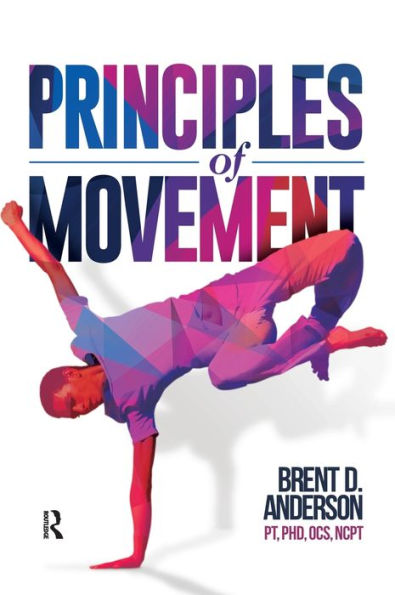
Principles of Movement in Chattanooga, TN
Current price: $69.99
Barnes and Noble
Principles of Movement in Chattanooga, TN
Current price: $69.99
Loading Inventory...
Size: Hardcover
From the founder of Polestar Pilates,
Principles of Movement
is a practical resource guide on movement science for movement practitioners, therapists, and anyone looking for a practical and easy approach to assess, facilitate, and enhance movement.
With applications in physical therapy, occupational therapy, athletic training, kinesiology, physical education, Pilates training, yoga training, dance education, and more,
is designed to help the movement practitioner improve the quality of their practice by better understanding the integrated model of movement assessment and movement facilitation. The text focuses on how to facilitate the quality of movement—not just the quantity.
Author Dr. Brent Anderson draws upon his 30 years of experience in rehabilitation and movement science, showing the strong correlation between motor control and biomechanics, and integrating new work on fascia, pain interpretation, and behavioral elements associated with movement.
is designed to facilitate problem solving and movement enhancement through a deeper understanding of universal movement principles.
What’s included in
:
• How to harness tools such as breath, mobility, dynamic alignment, control, and coordination to improve movement efficiency and performance, minimize injuries, and increase personal satisfaction through successful movement experiences without pain
• Examples, practical applications, and teaching tips for movement practitioners
• A guide to critical reasoning that applies the Principles of Movement algorithm to exercise selection and treatment planning
• Teaching aids and applications that can be immediately integrated into practice, including verbal, tactile, and imagery cueing
provides students and practitioners alike with a framework to evaluate, facilitate, and optimize the quality of movement.
Principles of Movement
is a practical resource guide on movement science for movement practitioners, therapists, and anyone looking for a practical and easy approach to assess, facilitate, and enhance movement.
With applications in physical therapy, occupational therapy, athletic training, kinesiology, physical education, Pilates training, yoga training, dance education, and more,
is designed to help the movement practitioner improve the quality of their practice by better understanding the integrated model of movement assessment and movement facilitation. The text focuses on how to facilitate the quality of movement—not just the quantity.
Author Dr. Brent Anderson draws upon his 30 years of experience in rehabilitation and movement science, showing the strong correlation between motor control and biomechanics, and integrating new work on fascia, pain interpretation, and behavioral elements associated with movement.
is designed to facilitate problem solving and movement enhancement through a deeper understanding of universal movement principles.
What’s included in
:
• How to harness tools such as breath, mobility, dynamic alignment, control, and coordination to improve movement efficiency and performance, minimize injuries, and increase personal satisfaction through successful movement experiences without pain
• Examples, practical applications, and teaching tips for movement practitioners
• A guide to critical reasoning that applies the Principles of Movement algorithm to exercise selection and treatment planning
• Teaching aids and applications that can be immediately integrated into practice, including verbal, tactile, and imagery cueing
provides students and practitioners alike with a framework to evaluate, facilitate, and optimize the quality of movement.
From the founder of Polestar Pilates,
Principles of Movement
is a practical resource guide on movement science for movement practitioners, therapists, and anyone looking for a practical and easy approach to assess, facilitate, and enhance movement.
With applications in physical therapy, occupational therapy, athletic training, kinesiology, physical education, Pilates training, yoga training, dance education, and more,
is designed to help the movement practitioner improve the quality of their practice by better understanding the integrated model of movement assessment and movement facilitation. The text focuses on how to facilitate the quality of movement—not just the quantity.
Author Dr. Brent Anderson draws upon his 30 years of experience in rehabilitation and movement science, showing the strong correlation between motor control and biomechanics, and integrating new work on fascia, pain interpretation, and behavioral elements associated with movement.
is designed to facilitate problem solving and movement enhancement through a deeper understanding of universal movement principles.
What’s included in
:
• How to harness tools such as breath, mobility, dynamic alignment, control, and coordination to improve movement efficiency and performance, minimize injuries, and increase personal satisfaction through successful movement experiences without pain
• Examples, practical applications, and teaching tips for movement practitioners
• A guide to critical reasoning that applies the Principles of Movement algorithm to exercise selection and treatment planning
• Teaching aids and applications that can be immediately integrated into practice, including verbal, tactile, and imagery cueing
provides students and practitioners alike with a framework to evaluate, facilitate, and optimize the quality of movement.
Principles of Movement
is a practical resource guide on movement science for movement practitioners, therapists, and anyone looking for a practical and easy approach to assess, facilitate, and enhance movement.
With applications in physical therapy, occupational therapy, athletic training, kinesiology, physical education, Pilates training, yoga training, dance education, and more,
is designed to help the movement practitioner improve the quality of their practice by better understanding the integrated model of movement assessment and movement facilitation. The text focuses on how to facilitate the quality of movement—not just the quantity.
Author Dr. Brent Anderson draws upon his 30 years of experience in rehabilitation and movement science, showing the strong correlation between motor control and biomechanics, and integrating new work on fascia, pain interpretation, and behavioral elements associated with movement.
is designed to facilitate problem solving and movement enhancement through a deeper understanding of universal movement principles.
What’s included in
:
• How to harness tools such as breath, mobility, dynamic alignment, control, and coordination to improve movement efficiency and performance, minimize injuries, and increase personal satisfaction through successful movement experiences without pain
• Examples, practical applications, and teaching tips for movement practitioners
• A guide to critical reasoning that applies the Principles of Movement algorithm to exercise selection and treatment planning
• Teaching aids and applications that can be immediately integrated into practice, including verbal, tactile, and imagery cueing
provides students and practitioners alike with a framework to evaluate, facilitate, and optimize the quality of movement.
You May Also Like















More About Barnes and Noble at Hamilton Place
Barnes & Noble is the world’s largest retail bookseller and a leading retailer of content, digital media and educational products. Our Nook Digital business offers a lineup of NOOK® tablets and e-Readers and an expansive collection of digital reading content through the NOOK Store®. Barnes & Noble’s mission is to operate the best omni-channel specialty retail business in America, helping both our customers and booksellers reach their aspirations, while being a credit to the communities we serve.
2100 Hamilton Pl Blvd, Chattanooga, TN 37421, United States
Find Barnes and Noble at Hamilton Place in Chattanooga, TN
Visit Barnes and Noble at Hamilton Place in Chattanooga, TN
