
Home
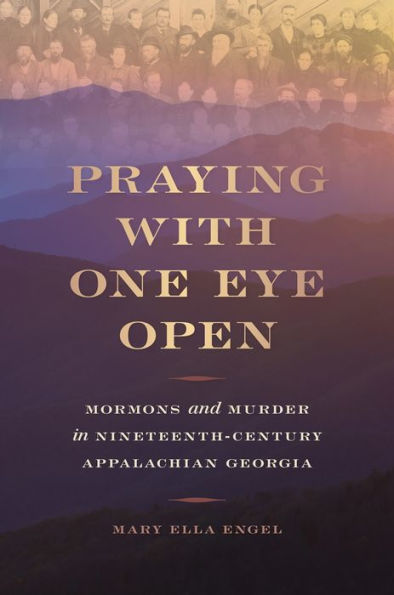
Praying with One Eye Open: Mormons and Murder Nineteenth-Century Appalachian Georgia
Barnes and Noble
Loading Inventory...
Praying with One Eye Open: Mormons and Murder Nineteenth-Century Appalachian Georgia in Chattanooga, TN
Current price: $19.99
Barnes and Noble
Praying with One Eye Open: Mormons and Murder Nineteenth-Century Appalachian Georgia in Chattanooga, TN
Current price: $19.99
Loading Inventory...
Size: Audiobook
In 1878, Elder Joseph Standing traveled into the Appalachian mountains of North Georgia, seeking converts for the Church of Jesus Christ of Latter-day Saints. Sixteen months later, he was dead, murdered by a group of twelve men. The church refused to bury the missionary in Georgia soil; instead, he was laid to rest in Salt Lake City beneath a monument that declared, “There is no law in Georgia for the Mormons.” Most accounts of this event have linked Standing’s murder to the virulent nineteenth-century anti-Mormonism that also took the life of prophet Joseph Smith and to an enduring southern tradition of extralegal violence. In these writings, the stories of the men who took Standing’s life are largely ignored, and they are treated as significant only as vigilantes who escaped justice.
Historian Mary Ella Engel adopts a different approach, arguing that the mob violence against Standing was a local event, best understood at the local level. Her examination of Standing’s murder carefully situates it in the disquiet created by missionaries’ successes in the North Georgia community. As Georgia converts typically abandoned the state for Mormon colonies in the West, a disquiet situated within a wider narrative of post-Reconstruction Mormon outmigration to colonies in the West. In this rich context, the murder reveals the complex social relationships that linked North Georgians—families, kin, neighbors, and coreligionists—and illuminates how mob violence attempted to resolve the psychological dissonance and gender anxieties created by Mormon missionaries. In laying bare the bonds linking Georgia converts to the mob, Engel reveals Standing’s murder as more than simply mountain lawlessness or religious persecution. Rather, the murder responds to the challenges posed by the separation of converts from their loved ones, especially the separation of women and their dependents from heads of households.
Historian Mary Ella Engel adopts a different approach, arguing that the mob violence against Standing was a local event, best understood at the local level. Her examination of Standing’s murder carefully situates it in the disquiet created by missionaries’ successes in the North Georgia community. As Georgia converts typically abandoned the state for Mormon colonies in the West, a disquiet situated within a wider narrative of post-Reconstruction Mormon outmigration to colonies in the West. In this rich context, the murder reveals the complex social relationships that linked North Georgians—families, kin, neighbors, and coreligionists—and illuminates how mob violence attempted to resolve the psychological dissonance and gender anxieties created by Mormon missionaries. In laying bare the bonds linking Georgia converts to the mob, Engel reveals Standing’s murder as more than simply mountain lawlessness or religious persecution. Rather, the murder responds to the challenges posed by the separation of converts from their loved ones, especially the separation of women and their dependents from heads of households.
In 1878, Elder Joseph Standing traveled into the Appalachian mountains of North Georgia, seeking converts for the Church of Jesus Christ of Latter-day Saints. Sixteen months later, he was dead, murdered by a group of twelve men. The church refused to bury the missionary in Georgia soil; instead, he was laid to rest in Salt Lake City beneath a monument that declared, “There is no law in Georgia for the Mormons.” Most accounts of this event have linked Standing’s murder to the virulent nineteenth-century anti-Mormonism that also took the life of prophet Joseph Smith and to an enduring southern tradition of extralegal violence. In these writings, the stories of the men who took Standing’s life are largely ignored, and they are treated as significant only as vigilantes who escaped justice.
Historian Mary Ella Engel adopts a different approach, arguing that the mob violence against Standing was a local event, best understood at the local level. Her examination of Standing’s murder carefully situates it in the disquiet created by missionaries’ successes in the North Georgia community. As Georgia converts typically abandoned the state for Mormon colonies in the West, a disquiet situated within a wider narrative of post-Reconstruction Mormon outmigration to colonies in the West. In this rich context, the murder reveals the complex social relationships that linked North Georgians—families, kin, neighbors, and coreligionists—and illuminates how mob violence attempted to resolve the psychological dissonance and gender anxieties created by Mormon missionaries. In laying bare the bonds linking Georgia converts to the mob, Engel reveals Standing’s murder as more than simply mountain lawlessness or religious persecution. Rather, the murder responds to the challenges posed by the separation of converts from their loved ones, especially the separation of women and their dependents from heads of households.
Historian Mary Ella Engel adopts a different approach, arguing that the mob violence against Standing was a local event, best understood at the local level. Her examination of Standing’s murder carefully situates it in the disquiet created by missionaries’ successes in the North Georgia community. As Georgia converts typically abandoned the state for Mormon colonies in the West, a disquiet situated within a wider narrative of post-Reconstruction Mormon outmigration to colonies in the West. In this rich context, the murder reveals the complex social relationships that linked North Georgians—families, kin, neighbors, and coreligionists—and illuminates how mob violence attempted to resolve the psychological dissonance and gender anxieties created by Mormon missionaries. In laying bare the bonds linking Georgia converts to the mob, Engel reveals Standing’s murder as more than simply mountain lawlessness or religious persecution. Rather, the murder responds to the challenges posed by the separation of converts from their loved ones, especially the separation of women and their dependents from heads of households.
You May Also Like










More About Barnes and Noble at Hamilton Place
Barnes & Noble is the world’s largest retail bookseller and a leading retailer of content, digital media and educational products. Our Nook Digital business offers a lineup of NOOK® tablets and e-Readers and an expansive collection of digital reading content through the NOOK Store®. Barnes & Noble’s mission is to operate the best omni-channel specialty retail business in America, helping both our customers and booksellers reach their aspirations, while being a credit to the communities we serve.
2100 Hamilton Pl Blvd, Chattanooga, TN 37421, United States
Find Barnes and Noble at Hamilton Place in Chattanooga, TN
Visit Barnes and Noble at Hamilton Place in Chattanooga, TN
