
Home
Plato's Invisible Cities: Discourse and Power the Republic
Barnes and Noble
Loading Inventory...
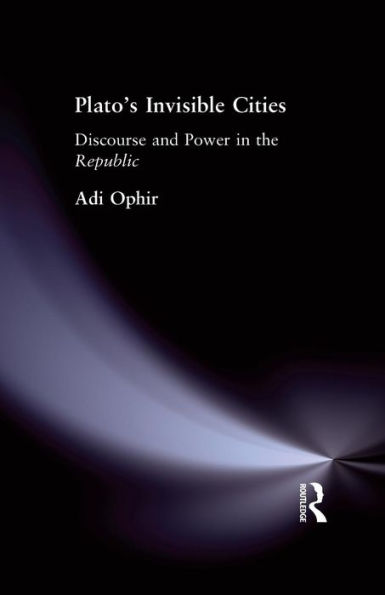
Plato's Invisible Cities: Discourse and Power the Republic in Chattanooga, TN
Current price: $72.99
Barnes and Noble
Plato's Invisible Cities: Discourse and Power the Republic in Chattanooga, TN
Current price: $72.99
Loading Inventory...
Size: Paperback
This book offers an original and detailed reading of Plato's
Republic
, one of the most influential philosophical works in the emergence of Western philosophy.
The author discusses the
in terms of discursive events and political acts. Plato's act is placed in the context of a politico-discursive crisis in Athens at the end of the fifth and the beginning of the fourth century B.C that gave rise to the dialogue's primary question, that of justice. The originality of Dr. Ophir lies in the way he reconstructs the
Republic's
different spatial settings - utopian, mythical, dramatic and discursive - using them as the main thread of his interpretation. Against the background of Plato's critique of the organisation of civic-space in the Greek
polis
, the author relates the spatial settings in the Plato text to each other. This provides a basis for a re-examination of the relationship between philosophy and politics, which Plato's work advocates, and which it actually enacted.
Republic
, one of the most influential philosophical works in the emergence of Western philosophy.
The author discusses the
in terms of discursive events and political acts. Plato's act is placed in the context of a politico-discursive crisis in Athens at the end of the fifth and the beginning of the fourth century B.C that gave rise to the dialogue's primary question, that of justice. The originality of Dr. Ophir lies in the way he reconstructs the
Republic's
different spatial settings - utopian, mythical, dramatic and discursive - using them as the main thread of his interpretation. Against the background of Plato's critique of the organisation of civic-space in the Greek
polis
, the author relates the spatial settings in the Plato text to each other. This provides a basis for a re-examination of the relationship between philosophy and politics, which Plato's work advocates, and which it actually enacted.
This book offers an original and detailed reading of Plato's
Republic
, one of the most influential philosophical works in the emergence of Western philosophy.
The author discusses the
in terms of discursive events and political acts. Plato's act is placed in the context of a politico-discursive crisis in Athens at the end of the fifth and the beginning of the fourth century B.C that gave rise to the dialogue's primary question, that of justice. The originality of Dr. Ophir lies in the way he reconstructs the
Republic's
different spatial settings - utopian, mythical, dramatic and discursive - using them as the main thread of his interpretation. Against the background of Plato's critique of the organisation of civic-space in the Greek
polis
, the author relates the spatial settings in the Plato text to each other. This provides a basis for a re-examination of the relationship between philosophy and politics, which Plato's work advocates, and which it actually enacted.
Republic
, one of the most influential philosophical works in the emergence of Western philosophy.
The author discusses the
in terms of discursive events and political acts. Plato's act is placed in the context of a politico-discursive crisis in Athens at the end of the fifth and the beginning of the fourth century B.C that gave rise to the dialogue's primary question, that of justice. The originality of Dr. Ophir lies in the way he reconstructs the
Republic's
different spatial settings - utopian, mythical, dramatic and discursive - using them as the main thread of his interpretation. Against the background of Plato's critique of the organisation of civic-space in the Greek
polis
, the author relates the spatial settings in the Plato text to each other. This provides a basis for a re-examination of the relationship between philosophy and politics, which Plato's work advocates, and which it actually enacted.
You May Also Like












More About Barnes and Noble at Hamilton Place
Barnes & Noble is the world’s largest retail bookseller and a leading retailer of content, digital media and educational products. Our Nook Digital business offers a lineup of NOOK® tablets and e-Readers and an expansive collection of digital reading content through the NOOK Store®. Barnes & Noble’s mission is to operate the best omni-channel specialty retail business in America, helping both our customers and booksellers reach their aspirations, while being a credit to the communities we serve.
2100 Hamilton Pl Blvd, Chattanooga, TN 37421, United States
Find Barnes and Noble at Hamilton Place in Chattanooga, TN
Visit Barnes and Noble at Hamilton Place in Chattanooga, TN
