
Home
Phytoremediation Food Safety: Risks and Prospects
Barnes and Noble
Loading Inventory...
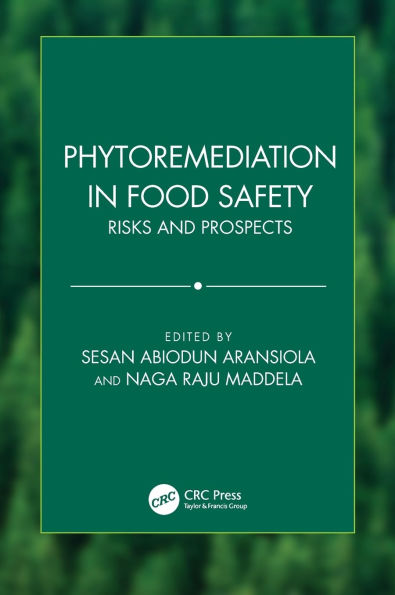
Phytoremediation Food Safety: Risks and Prospects in Chattanooga, TN
Current price: $160.00
Barnes and Noble
Phytoremediation Food Safety: Risks and Prospects in Chattanooga, TN
Current price: $160.00
Loading Inventory...
Size: Hardcover
Phytoremediation is the process that uses plants to remove pollutants from soils. These pollutants are stored in the edible parts of plants and, if they are consumed above a certain level, they become a health risk for humans and animals. This book is a critical review of phytoremediation, its direct or indirect effects on food products, and the risks posed by this cost-effective technology in food safety. It shows how different plants are suited for phytoremediation, explains the role of toxicants in the environment, and analyses their effects and risks in the food chain at a global level. It also reviews the extraction methods of toxicants from plants after they are exposed to phytoremediation.
Features:
Summarizes the phytoremediation technology for effective remediation
Describes different types of pollutants in soils that render food products useless
Identifies the role of phytoremediation in the environment and its advantages and disadvantages
Explains the role of phytoexclusion and phytostabilization in foods and food safety
Includes many case studies to describe the extraction protocols in postharvest for food safety
This book is intended for practitioners in public and private companies involved in soil remediation and food production, as well as graduate students and academics, in both developed and developing countries, who are involved in soil and environmental sciences, the food industry, agriculture, and biotechnology.
Features:
Summarizes the phytoremediation technology for effective remediation
Describes different types of pollutants in soils that render food products useless
Identifies the role of phytoremediation in the environment and its advantages and disadvantages
Explains the role of phytoexclusion and phytostabilization in foods and food safety
Includes many case studies to describe the extraction protocols in postharvest for food safety
This book is intended for practitioners in public and private companies involved in soil remediation and food production, as well as graduate students and academics, in both developed and developing countries, who are involved in soil and environmental sciences, the food industry, agriculture, and biotechnology.
Phytoremediation is the process that uses plants to remove pollutants from soils. These pollutants are stored in the edible parts of plants and, if they are consumed above a certain level, they become a health risk for humans and animals. This book is a critical review of phytoremediation, its direct or indirect effects on food products, and the risks posed by this cost-effective technology in food safety. It shows how different plants are suited for phytoremediation, explains the role of toxicants in the environment, and analyses their effects and risks in the food chain at a global level. It also reviews the extraction methods of toxicants from plants after they are exposed to phytoremediation.
Features:
Summarizes the phytoremediation technology for effective remediation
Describes different types of pollutants in soils that render food products useless
Identifies the role of phytoremediation in the environment and its advantages and disadvantages
Explains the role of phytoexclusion and phytostabilization in foods and food safety
Includes many case studies to describe the extraction protocols in postharvest for food safety
This book is intended for practitioners in public and private companies involved in soil remediation and food production, as well as graduate students and academics, in both developed and developing countries, who are involved in soil and environmental sciences, the food industry, agriculture, and biotechnology.
Features:
Summarizes the phytoremediation technology for effective remediation
Describes different types of pollutants in soils that render food products useless
Identifies the role of phytoremediation in the environment and its advantages and disadvantages
Explains the role of phytoexclusion and phytostabilization in foods and food safety
Includes many case studies to describe the extraction protocols in postharvest for food safety
This book is intended for practitioners in public and private companies involved in soil remediation and food production, as well as graduate students and academics, in both developed and developing countries, who are involved in soil and environmental sciences, the food industry, agriculture, and biotechnology.
You May Also Like










More About Barnes and Noble at Hamilton Place
Barnes & Noble is the world’s largest retail bookseller and a leading retailer of content, digital media and educational products. Our Nook Digital business offers a lineup of NOOK® tablets and e-Readers and an expansive collection of digital reading content through the NOOK Store®. Barnes & Noble’s mission is to operate the best omni-channel specialty retail business in America, helping both our customers and booksellers reach their aspirations, while being a credit to the communities we serve.
2100 Hamilton Pl Blvd, Chattanooga, TN 37421, United States
Find Barnes and Noble at Hamilton Place in Chattanooga, TN
Visit Barnes and Noble at Hamilton Place in Chattanooga, TN
