
Home
Philosophical Neuroethics: A Personalist Approach. Volume 1: Foundations
Barnes and Noble
Loading Inventory...
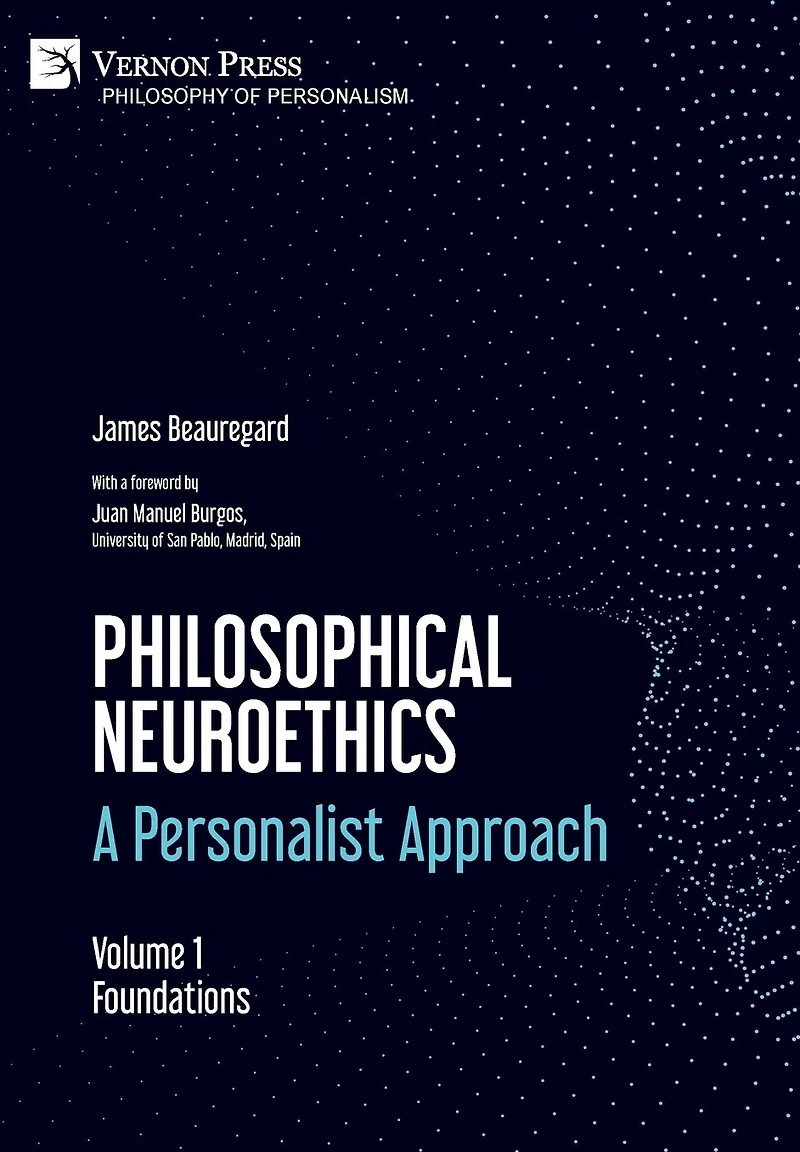
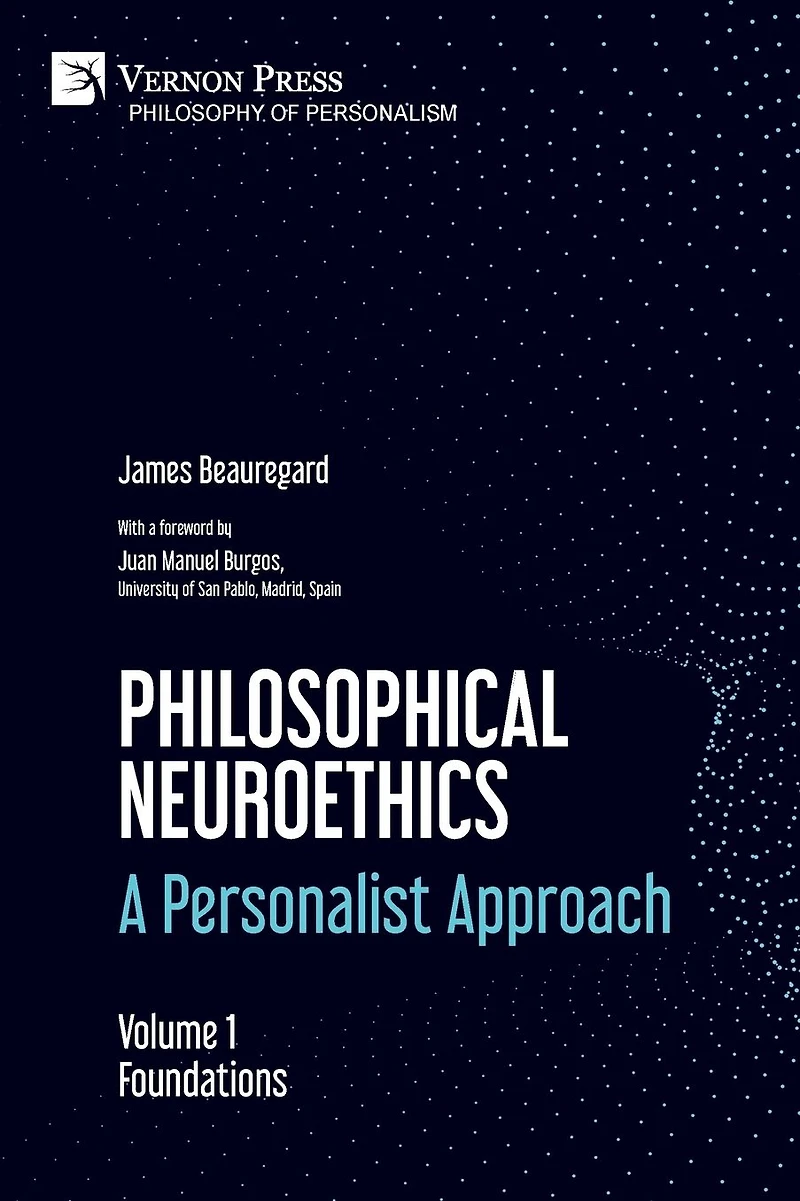
Philosophical Neuroethics: A Personalist Approach. Volume 1: Foundations in Chattanooga, TN
By Barnes & Noble
Current price: $73.00
Barnes and Noble
Philosophical Neuroethics: A Personalist Approach. Volume 1: Foundations in Chattanooga, TN
By Barnes & Noble
Current price: $73.00
Loading Inventory...
Size: Hardcover
Neuroethics is a theoretical and practical discipline that considers the many ethical issues that arise in neuroscience. From its inception, the field has sought to develop an ethical vision from within the confines of science, a task that is both misguided and, in the end, impossible. Providing a solid theoretical foundation for neuroethics means looking to other sources, most specifically to philosophy. In this groundbreaking work, the author examines the current underpinnings of neuroethical thinking and finds them inadequate to the task of neuroethics – to think ethically about persons, technology and society. Grounded in the physicalist and deterministic presuppositions of contemporary science, and drawing on utilitarian thought, neuroethics as currently conceived lacks the ability to develop a robust and adequate notion of persons and of ethics. Philosophical Neuroethics examines the historical reasons for this state of affairs, for the purpose of proposing a more viable alternative – drawing on the tradition of personalism for a more adequate metaphysical, epistemological, anthropological and ethical vision of the human person and of ethics that can serve as a solid foundation for the theory and practice of neuroethical decision making as it touches on the neurologic and psychiatric care of individuals, our philosophy of technology and the social implications of neuroscience that touch on public policy, neurotechnology, the justice system and the military. Drawing on the personalist philosophical tradition that emerged in the twentieth century in the works of Mounier, Maritain, Guardini, Wojtyla, and the Modern Ontological Personalism of Juan Manuel Burgos, Philosophical Neuroethics brings to light the limitations of contemporary neuroethical thinking and sets forth a comprehensive vision of the human person capable of interacting with the contemporary questions raised by neuroscience and technology.
Neuroethics is a theoretical and practical discipline that considers the many ethical issues that arise in neuroscience. From its inception, the field has sought to develop an ethical vision from within the confines of science, a task that is both misguided and, in the end, impossible. Providing a solid theoretical foundation for neuroethics means looking to other sources, most specifically to philosophy. In this groundbreaking work, the author examines the current underpinnings of neuroethical thinking and finds them inadequate to the task of neuroethics – to think ethically about persons, technology and society. Grounded in the physicalist and deterministic presuppositions of contemporary science, and drawing on utilitarian thought, neuroethics as currently conceived lacks the ability to develop a robust and adequate notion of persons and of ethics. Philosophical Neuroethics examines the historical reasons for this state of affairs, for the purpose of proposing a more viable alternative – drawing on the tradition of personalism for a more adequate metaphysical, epistemological, anthropological and ethical vision of the human person and of ethics that can serve as a solid foundation for the theory and practice of neuroethical decision making as it touches on the neurologic and psychiatric care of individuals, our philosophy of technology and the social implications of neuroscience that touch on public policy, neurotechnology, the justice system and the military. Drawing on the personalist philosophical tradition that emerged in the twentieth century in the works of Mounier, Maritain, Guardini, Wojtyla, and the Modern Ontological Personalism of Juan Manuel Burgos, Philosophical Neuroethics brings to light the limitations of contemporary neuroethical thinking and sets forth a comprehensive vision of the human person capable of interacting with the contemporary questions raised by neuroscience and technology.
You May Also Like
















More About Barnes and Noble at Hamilton Place
Barnes & Noble is the world’s largest retail bookseller and a leading retailer of content, digital media and educational products. Our Nook Digital business offers a lineup of NOOK® tablets and e-Readers and an expansive collection of digital reading content through the NOOK Store®. Barnes & Noble’s mission is to operate the best omni-channel specialty retail business in America, helping both our customers and booksellers reach their aspirations, while being a credit to the communities we serve.
2100 Hamilton Pl Blvd, Chattanooga, TN 37421, United States
Find Barnes and Noble at Hamilton Place in Chattanooga, TN
Visit Barnes and Noble at Hamilton Place in Chattanooga, TN
