
Home
Personal Struggles: Oppression, healing and liberation
Barnes and Noble
Loading Inventory...
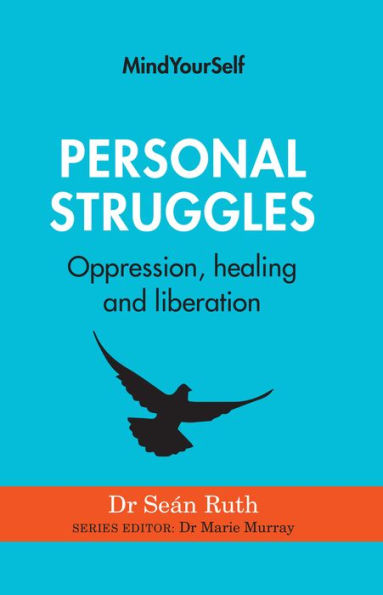
Personal Struggles: Oppression, healing and liberation in Chattanooga, TN
Current price: $17.95
Barnes and Noble
Personal Struggles: Oppression, healing and liberation in Chattanooga, TN
Current price: $17.95
Loading Inventory...
Size: Paperback
How does our social identity and the workings of the wider society have an impact on our selfesteem, our selfconfidence, our sense of empowerment, our leadership, our social visibility, and the quality of our relationships? This book presents a model for understanding people’s feelings and behaviour in a social as opposed to an individual context. It looks at these through the lens of diversity and social identity, i.e., class, gender, race, sexual orientation, nationality, religion, and so on. In particular, it makes a distinction between “oppressed” or “minority” identities and “oppressor” or “dominant” identities. How oppression and domination operate and their effects on the wellbeing of people individually and collectively are examined and specific attention is paid to how this affects relationships between people of different identities. This all underpins an understanding of how people can deal with feelings and heal from their hurts. The final sections of the book look at how people can take charge of dealing with their struggles including the processes of human liberation and social change and the place of leadership in bringing about a sustainable and egalitarian future. The book is aimed at a general readership, at those who wish to understand the origins of the personal struggles they experience. It is also aimed at social, educational, community and mental health workers and health service providers who work with such people.
How does our social identity and the workings of the wider society have an impact on our selfesteem, our selfconfidence, our sense of empowerment, our leadership, our social visibility, and the quality of our relationships? This book presents a model for understanding people’s feelings and behaviour in a social as opposed to an individual context. It looks at these through the lens of diversity and social identity, i.e., class, gender, race, sexual orientation, nationality, religion, and so on. In particular, it makes a distinction between “oppressed” or “minority” identities and “oppressor” or “dominant” identities. How oppression and domination operate and their effects on the wellbeing of people individually and collectively are examined and specific attention is paid to how this affects relationships between people of different identities. This all underpins an understanding of how people can deal with feelings and heal from their hurts. The final sections of the book look at how people can take charge of dealing with their struggles including the processes of human liberation and social change and the place of leadership in bringing about a sustainable and egalitarian future. The book is aimed at a general readership, at those who wish to understand the origins of the personal struggles they experience. It is also aimed at social, educational, community and mental health workers and health service providers who work with such people.
You May Also Like












More About Barnes and Noble at Hamilton Place
Barnes & Noble is the world’s largest retail bookseller and a leading retailer of content, digital media and educational products. Our Nook Digital business offers a lineup of NOOK® tablets and e-Readers and an expansive collection of digital reading content through the NOOK Store®. Barnes & Noble’s mission is to operate the best omni-channel specialty retail business in America, helping both our customers and booksellers reach their aspirations, while being a credit to the communities we serve.
2100 Hamilton Pl Blvd, Chattanooga, TN 37421, United States
Find Barnes and Noble at Hamilton Place in Chattanooga, TN
Visit Barnes and Noble at Hamilton Place in Chattanooga, TN