
Home
Parasitic Personhood and the Ontology of Eating
Barnes and Noble
Loading Inventory...
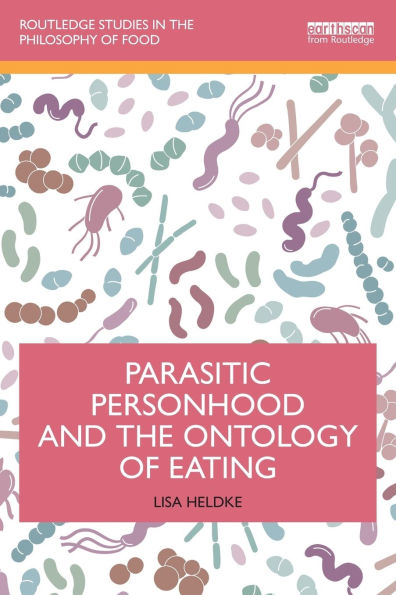
Parasitic Personhood and the Ontology of Eating in Chattanooga, TN
Current price: $190.00
Barnes and Noble
Parasitic Personhood and the Ontology of Eating in Chattanooga, TN
Current price: $190.00
Loading Inventory...
Size: Hardcover
Humans must eat, and our eating involves us in a cascade of eating relationships that leave life and death biting into each other.
These realities should—but often do not—profoundly shape our understanding of personhood. This book explores “parasitic personhood,” an alternative to atomistic individualism that acknowledges the biological individual as a network of persistent biological relationships (a “holobiont”) and draws insight from the astonishing frequency and variety of parasitic feeding relationships. What happens to our conception of personhood if we consider parasitism as more than just a threat to our health? Parasitism is a remarkably common form of life; however, we tend to think of parasites only as dangerous pestilential organisms that should be eliminated. What if parasitism—in particular, persistent eating relationships that threaten to destabilize host organisms—were instead the model in terms of which we understood what it means to be a person? What if we acknowledged the ineliminability—indeed, the centrality—of parasitism to life and embraced both the persistent eating and the precarity that they entail as central to our understanding of personhood? In advocating for parasitic personhood, this book joins a history of efforts to uproot atomistic individualism, the remarkably durable understanding of personhood that is aptly portrayed by its most well-known eighteenth-century model, the billiard ball: smoothly self-contained, with relationships decidedly external to it. The parasitic alternative conceives persons as collections of organisms in relationships that are, by turns and all at once, essential, precarious, definitive, destabilizing, stable, and shifting. The book asks: in what does parasitic personhood consist? It goes on to examine some implications of this conception of personhood: how is moral agency constituted for the parasitic person, and how does parasitic personhood expand our understanding of aesthetic engagement and appreciation? This book will absorb anyone who is interested in thinking about the metaphysical significance of their need to eat and their reliance on myriad other organisms to enable them to do so.
It will engage students and scholars of food and eating, particularly those working on the metaphysics of food, food and personhood, fermentation, and the microbiome, as well as philosophers considering the ontological significance of food and eating.
These realities should—but often do not—profoundly shape our understanding of personhood. This book explores “parasitic personhood,” an alternative to atomistic individualism that acknowledges the biological individual as a network of persistent biological relationships (a “holobiont”) and draws insight from the astonishing frequency and variety of parasitic feeding relationships. What happens to our conception of personhood if we consider parasitism as more than just a threat to our health? Parasitism is a remarkably common form of life; however, we tend to think of parasites only as dangerous pestilential organisms that should be eliminated. What if parasitism—in particular, persistent eating relationships that threaten to destabilize host organisms—were instead the model in terms of which we understood what it means to be a person? What if we acknowledged the ineliminability—indeed, the centrality—of parasitism to life and embraced both the persistent eating and the precarity that they entail as central to our understanding of personhood? In advocating for parasitic personhood, this book joins a history of efforts to uproot atomistic individualism, the remarkably durable understanding of personhood that is aptly portrayed by its most well-known eighteenth-century model, the billiard ball: smoothly self-contained, with relationships decidedly external to it. The parasitic alternative conceives persons as collections of organisms in relationships that are, by turns and all at once, essential, precarious, definitive, destabilizing, stable, and shifting. The book asks: in what does parasitic personhood consist? It goes on to examine some implications of this conception of personhood: how is moral agency constituted for the parasitic person, and how does parasitic personhood expand our understanding of aesthetic engagement and appreciation? This book will absorb anyone who is interested in thinking about the metaphysical significance of their need to eat and their reliance on myriad other organisms to enable them to do so.
It will engage students and scholars of food and eating, particularly those working on the metaphysics of food, food and personhood, fermentation, and the microbiome, as well as philosophers considering the ontological significance of food and eating.
Humans must eat, and our eating involves us in a cascade of eating relationships that leave life and death biting into each other.
These realities should—but often do not—profoundly shape our understanding of personhood. This book explores “parasitic personhood,” an alternative to atomistic individualism that acknowledges the biological individual as a network of persistent biological relationships (a “holobiont”) and draws insight from the astonishing frequency and variety of parasitic feeding relationships. What happens to our conception of personhood if we consider parasitism as more than just a threat to our health? Parasitism is a remarkably common form of life; however, we tend to think of parasites only as dangerous pestilential organisms that should be eliminated. What if parasitism—in particular, persistent eating relationships that threaten to destabilize host organisms—were instead the model in terms of which we understood what it means to be a person? What if we acknowledged the ineliminability—indeed, the centrality—of parasitism to life and embraced both the persistent eating and the precarity that they entail as central to our understanding of personhood? In advocating for parasitic personhood, this book joins a history of efforts to uproot atomistic individualism, the remarkably durable understanding of personhood that is aptly portrayed by its most well-known eighteenth-century model, the billiard ball: smoothly self-contained, with relationships decidedly external to it. The parasitic alternative conceives persons as collections of organisms in relationships that are, by turns and all at once, essential, precarious, definitive, destabilizing, stable, and shifting. The book asks: in what does parasitic personhood consist? It goes on to examine some implications of this conception of personhood: how is moral agency constituted for the parasitic person, and how does parasitic personhood expand our understanding of aesthetic engagement and appreciation? This book will absorb anyone who is interested in thinking about the metaphysical significance of their need to eat and their reliance on myriad other organisms to enable them to do so.
It will engage students and scholars of food and eating, particularly those working on the metaphysics of food, food and personhood, fermentation, and the microbiome, as well as philosophers considering the ontological significance of food and eating.
These realities should—but often do not—profoundly shape our understanding of personhood. This book explores “parasitic personhood,” an alternative to atomistic individualism that acknowledges the biological individual as a network of persistent biological relationships (a “holobiont”) and draws insight from the astonishing frequency and variety of parasitic feeding relationships. What happens to our conception of personhood if we consider parasitism as more than just a threat to our health? Parasitism is a remarkably common form of life; however, we tend to think of parasites only as dangerous pestilential organisms that should be eliminated. What if parasitism—in particular, persistent eating relationships that threaten to destabilize host organisms—were instead the model in terms of which we understood what it means to be a person? What if we acknowledged the ineliminability—indeed, the centrality—of parasitism to life and embraced both the persistent eating and the precarity that they entail as central to our understanding of personhood? In advocating for parasitic personhood, this book joins a history of efforts to uproot atomistic individualism, the remarkably durable understanding of personhood that is aptly portrayed by its most well-known eighteenth-century model, the billiard ball: smoothly self-contained, with relationships decidedly external to it. The parasitic alternative conceives persons as collections of organisms in relationships that are, by turns and all at once, essential, precarious, definitive, destabilizing, stable, and shifting. The book asks: in what does parasitic personhood consist? It goes on to examine some implications of this conception of personhood: how is moral agency constituted for the parasitic person, and how does parasitic personhood expand our understanding of aesthetic engagement and appreciation? This book will absorb anyone who is interested in thinking about the metaphysical significance of their need to eat and their reliance on myriad other organisms to enable them to do so.
It will engage students and scholars of food and eating, particularly those working on the metaphysics of food, food and personhood, fermentation, and the microbiome, as well as philosophers considering the ontological significance of food and eating.
You May Also Like








More About Barnes and Noble at Hamilton Place
Barnes & Noble is the world’s largest retail bookseller and a leading retailer of content, digital media and educational products. Our Nook Digital business offers a lineup of NOOK® tablets and e-Readers and an expansive collection of digital reading content through the NOOK Store®. Barnes & Noble’s mission is to operate the best omni-channel specialty retail business in America, helping both our customers and booksellers reach their aspirations, while being a credit to the communities we serve.
2100 Hamilton Pl Blvd, Chattanooga, TN 37421, United States
Find Barnes and Noble at Hamilton Place in Chattanooga, TN
Visit Barnes and Noble at Hamilton Place in Chattanooga, TN
