
Home
Overcoming Exploitation and Externalisation: An Intersectional Theory of Hegemony Transformation
Barnes and Noble
Loading Inventory...
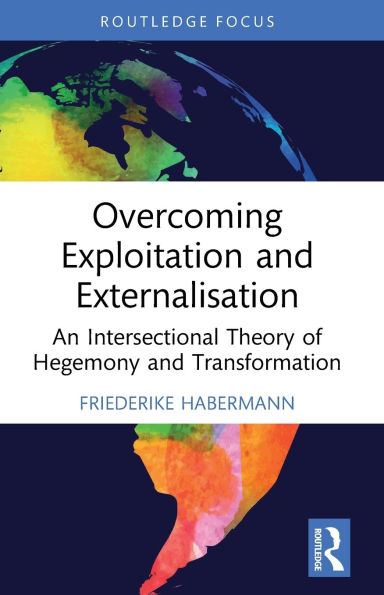
Overcoming Exploitation and Externalisation: An Intersectional Theory of Hegemony Transformation in Chattanooga, TN
Current price: $69.99
Barnes and Noble
Overcoming Exploitation and Externalisation: An Intersectional Theory of Hegemony Transformation in Chattanooga, TN
Current price: $69.99
Loading Inventory...
Size: Hardcover
Advancing an intersectional theory of hegemony, this book shows how various power relations interact through capitalist structures of othering. Going beyond the usual critiques of capitalism, it analyses the market itself as a principal cause of various forms of externalisation and domination. The book therefore calls for a dismantling of the market and its competitive economic structures through a transformation of the economy from below, greater democratisation (not least for the empowerment of suppressed identities), and the creation of commons as spaces based on inclusion rather than exclusion.
In doing so,
Overcoming Exploitation and Externalisation
argues that co-operative possibilities can emerge for the transformation of ourselves and our society. It will therefore appeal to scholars and students of social and political theory with interests in the commons and alternatives to capitalism.
In doing so,
Overcoming Exploitation and Externalisation
argues that co-operative possibilities can emerge for the transformation of ourselves and our society. It will therefore appeal to scholars and students of social and political theory with interests in the commons and alternatives to capitalism.
Advancing an intersectional theory of hegemony, this book shows how various power relations interact through capitalist structures of othering. Going beyond the usual critiques of capitalism, it analyses the market itself as a principal cause of various forms of externalisation and domination. The book therefore calls for a dismantling of the market and its competitive economic structures through a transformation of the economy from below, greater democratisation (not least for the empowerment of suppressed identities), and the creation of commons as spaces based on inclusion rather than exclusion.
In doing so,
Overcoming Exploitation and Externalisation
argues that co-operative possibilities can emerge for the transformation of ourselves and our society. It will therefore appeal to scholars and students of social and political theory with interests in the commons and alternatives to capitalism.
In doing so,
Overcoming Exploitation and Externalisation
argues that co-operative possibilities can emerge for the transformation of ourselves and our society. It will therefore appeal to scholars and students of social and political theory with interests in the commons and alternatives to capitalism.
You May Also Like













More About Barnes and Noble at Hamilton Place
Barnes & Noble is the world’s largest retail bookseller and a leading retailer of content, digital media and educational products. Our Nook Digital business offers a lineup of NOOK® tablets and e-Readers and an expansive collection of digital reading content through the NOOK Store®. Barnes & Noble’s mission is to operate the best omni-channel specialty retail business in America, helping both our customers and booksellers reach their aspirations, while being a credit to the communities we serve.
2100 Hamilton Pl Blvd, Chattanooga, TN 37421, United States
Find Barnes and Noble at Hamilton Place in Chattanooga, TN
Visit Barnes and Noble at Hamilton Place in Chattanooga, TN
