
Home
Out of the Cool
Barnes and Noble
Loading Inventory...
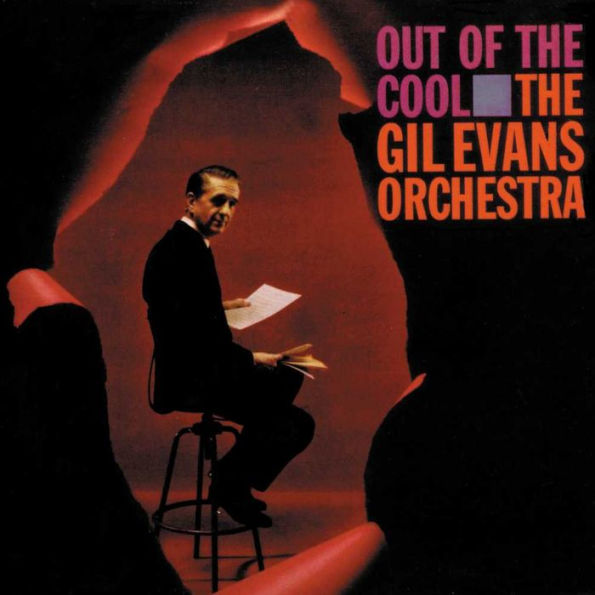
Out of the Cool in Chattanooga, TN
Current price: $9.99
Barnes and Noble
Out of the Cool in Chattanooga, TN
Current price: $9.99
Loading Inventory...
Size: CD
Out of the Cool
, released in 1960, was the first recording
Gil Evans
issued after three straight albums with
Miles Davis
--
Sketches of Spain
being the final one before this.
Evans
had learned much from
Davis
about
improvisation
, instinct, and space (the trumpeter learned plenty, too, especially about color, texture, and dynamic tension).
orchestrates less here, instead concentrating on the rhythm section built around
Elvin Jones
,
Charlie Persip
, bassist
Ron Carter
, and guitarist
Ray Crawford
. The maestro in the piano chair also assembled a crack horn section for this date, with
Ray Beckinstein
Budd Johnson
, and
Eddie Caine
on saxophones, trombonists
Jimmy Knepper
Keg Johnson
, and bass trombonist
Tony Studd
, with
Johnny Coles
and
Phil Sunkel
on trumpet,
Bill Barber
on tuba, and
Bob Tricarico
on flute, bassoon, and piccolo. The music here is of a wondrous variety, bookended by two stellar
compositions in
"La Nevada,"
"Sunken Treasure."
The middle of the record is filled out by the lovely
standard
"Where Flamingos Fly,"
Kurt Weill
-
Bertolt Brecht
's
"Bilbao Song,"
George Russell
's classic
"Stratusphunk."
The sonics are alternately warm, breezy, and nocturnal, especially on the 15-plus-minute opener which captures the laid-back West Coast cool
jazz
feel juxtaposed by the percolating, even bubbling hot rhythmic pulse of the tough streets of Las Vegas. The horns are held back for long periods in the mix and the drums pop right up front,
Crawford
's solo -- drenched in funky
blues
-- is smoking. When the trombones re-enter, they are slow and moaning, and the piccolo digs in for an in the pocket, pulsing break. Whoa.
Things are brought back to the lyrical impressionism
is most well known for at the beginning of
"Where Flamingos Fly."
Following a four-note theme on guitar, flute, tuba, and trombone, it comes out dramatic and blue, but utterly spacious and warm. The melancholy feels like the tune
"Summertime"
in the trombone melody, but shifts toward something less impressionistic and more expressionist entirely by the use of gentle dissonance by the second verse as the horns begin to ratchet things up just a bit, allowing
Persip
Jones
to play in the middle on a variety of percussion instruments before the tune takes on a New Orleans feel, and indeed traces much of
orchestral jazz
history over the course of its five minutes without breaking a sweat.
"Stratusphunk"
is the most angular tune here, but
and company lend such an element of
swing
to the tune that its edges are barely experienced by the listener. For all his seriousness, there was a great deal of warmth and humor in
' approach to arranging. His use of the bassoon as a sound effects instrument at the beginning is one such moment emerging right out of the bass trombone. At first, the walking bassline played by
Carter
feels at odds with the lithe and limber horn lines which begin to assert themselves in full finger popping
etiquette, but
seamlessly blends in. Again,
's guitar solo in the midst of all that brass is the voice of song itself, but it's funky before
' fine trumpet solo ushers in an entirely new chart for the brass. The final cut,
"Sunken Treasure,"
is a moody piece of noir that keeps its pulse inside the role of bass trombone and tuba. Percussion here, with maracas, is more of a coloration device, and the
emerge from the trumpets and from
. It's an odd way to close a record, but its deep-night feel is something that may echo the "cool" yet looks toward something deeper and hotter -- which is exactly what followed later with
Into the Hot
. This set is not only brilliant, it's fun. ~ Thom Jurek
, released in 1960, was the first recording
Gil Evans
issued after three straight albums with
Miles Davis
--
Sketches of Spain
being the final one before this.
Evans
had learned much from
Davis
about
improvisation
, instinct, and space (the trumpeter learned plenty, too, especially about color, texture, and dynamic tension).
orchestrates less here, instead concentrating on the rhythm section built around
Elvin Jones
,
Charlie Persip
, bassist
Ron Carter
, and guitarist
Ray Crawford
. The maestro in the piano chair also assembled a crack horn section for this date, with
Ray Beckinstein
Budd Johnson
, and
Eddie Caine
on saxophones, trombonists
Jimmy Knepper
Keg Johnson
, and bass trombonist
Tony Studd
, with
Johnny Coles
and
Phil Sunkel
on trumpet,
Bill Barber
on tuba, and
Bob Tricarico
on flute, bassoon, and piccolo. The music here is of a wondrous variety, bookended by two stellar
compositions in
"La Nevada,"
"Sunken Treasure."
The middle of the record is filled out by the lovely
standard
"Where Flamingos Fly,"
Kurt Weill
-
Bertolt Brecht
's
"Bilbao Song,"
George Russell
's classic
"Stratusphunk."
The sonics are alternately warm, breezy, and nocturnal, especially on the 15-plus-minute opener which captures the laid-back West Coast cool
jazz
feel juxtaposed by the percolating, even bubbling hot rhythmic pulse of the tough streets of Las Vegas. The horns are held back for long periods in the mix and the drums pop right up front,
Crawford
's solo -- drenched in funky
blues
-- is smoking. When the trombones re-enter, they are slow and moaning, and the piccolo digs in for an in the pocket, pulsing break. Whoa.
Things are brought back to the lyrical impressionism
is most well known for at the beginning of
"Where Flamingos Fly."
Following a four-note theme on guitar, flute, tuba, and trombone, it comes out dramatic and blue, but utterly spacious and warm. The melancholy feels like the tune
"Summertime"
in the trombone melody, but shifts toward something less impressionistic and more expressionist entirely by the use of gentle dissonance by the second verse as the horns begin to ratchet things up just a bit, allowing
Persip
Jones
to play in the middle on a variety of percussion instruments before the tune takes on a New Orleans feel, and indeed traces much of
orchestral jazz
history over the course of its five minutes without breaking a sweat.
"Stratusphunk"
is the most angular tune here, but
and company lend such an element of
swing
to the tune that its edges are barely experienced by the listener. For all his seriousness, there was a great deal of warmth and humor in
' approach to arranging. His use of the bassoon as a sound effects instrument at the beginning is one such moment emerging right out of the bass trombone. At first, the walking bassline played by
Carter
feels at odds with the lithe and limber horn lines which begin to assert themselves in full finger popping
etiquette, but
seamlessly blends in. Again,
's guitar solo in the midst of all that brass is the voice of song itself, but it's funky before
' fine trumpet solo ushers in an entirely new chart for the brass. The final cut,
"Sunken Treasure,"
is a moody piece of noir that keeps its pulse inside the role of bass trombone and tuba. Percussion here, with maracas, is more of a coloration device, and the
emerge from the trumpets and from
. It's an odd way to close a record, but its deep-night feel is something that may echo the "cool" yet looks toward something deeper and hotter -- which is exactly what followed later with
Into the Hot
. This set is not only brilliant, it's fun. ~ Thom Jurek
Out of the Cool
, released in 1960, was the first recording
Gil Evans
issued after three straight albums with
Miles Davis
--
Sketches of Spain
being the final one before this.
Evans
had learned much from
Davis
about
improvisation
, instinct, and space (the trumpeter learned plenty, too, especially about color, texture, and dynamic tension).
orchestrates less here, instead concentrating on the rhythm section built around
Elvin Jones
,
Charlie Persip
, bassist
Ron Carter
, and guitarist
Ray Crawford
. The maestro in the piano chair also assembled a crack horn section for this date, with
Ray Beckinstein
Budd Johnson
, and
Eddie Caine
on saxophones, trombonists
Jimmy Knepper
Keg Johnson
, and bass trombonist
Tony Studd
, with
Johnny Coles
and
Phil Sunkel
on trumpet,
Bill Barber
on tuba, and
Bob Tricarico
on flute, bassoon, and piccolo. The music here is of a wondrous variety, bookended by two stellar
compositions in
"La Nevada,"
"Sunken Treasure."
The middle of the record is filled out by the lovely
standard
"Where Flamingos Fly,"
Kurt Weill
-
Bertolt Brecht
's
"Bilbao Song,"
George Russell
's classic
"Stratusphunk."
The sonics are alternately warm, breezy, and nocturnal, especially on the 15-plus-minute opener which captures the laid-back West Coast cool
jazz
feel juxtaposed by the percolating, even bubbling hot rhythmic pulse of the tough streets of Las Vegas. The horns are held back for long periods in the mix and the drums pop right up front,
Crawford
's solo -- drenched in funky
blues
-- is smoking. When the trombones re-enter, they are slow and moaning, and the piccolo digs in for an in the pocket, pulsing break. Whoa.
Things are brought back to the lyrical impressionism
is most well known for at the beginning of
"Where Flamingos Fly."
Following a four-note theme on guitar, flute, tuba, and trombone, it comes out dramatic and blue, but utterly spacious and warm. The melancholy feels like the tune
"Summertime"
in the trombone melody, but shifts toward something less impressionistic and more expressionist entirely by the use of gentle dissonance by the second verse as the horns begin to ratchet things up just a bit, allowing
Persip
Jones
to play in the middle on a variety of percussion instruments before the tune takes on a New Orleans feel, and indeed traces much of
orchestral jazz
history over the course of its five minutes without breaking a sweat.
"Stratusphunk"
is the most angular tune here, but
and company lend such an element of
swing
to the tune that its edges are barely experienced by the listener. For all his seriousness, there was a great deal of warmth and humor in
' approach to arranging. His use of the bassoon as a sound effects instrument at the beginning is one such moment emerging right out of the bass trombone. At first, the walking bassline played by
Carter
feels at odds with the lithe and limber horn lines which begin to assert themselves in full finger popping
etiquette, but
seamlessly blends in. Again,
's guitar solo in the midst of all that brass is the voice of song itself, but it's funky before
' fine trumpet solo ushers in an entirely new chart for the brass. The final cut,
"Sunken Treasure,"
is a moody piece of noir that keeps its pulse inside the role of bass trombone and tuba. Percussion here, with maracas, is more of a coloration device, and the
emerge from the trumpets and from
. It's an odd way to close a record, but its deep-night feel is something that may echo the "cool" yet looks toward something deeper and hotter -- which is exactly what followed later with
Into the Hot
. This set is not only brilliant, it's fun. ~ Thom Jurek
, released in 1960, was the first recording
Gil Evans
issued after three straight albums with
Miles Davis
--
Sketches of Spain
being the final one before this.
Evans
had learned much from
Davis
about
improvisation
, instinct, and space (the trumpeter learned plenty, too, especially about color, texture, and dynamic tension).
orchestrates less here, instead concentrating on the rhythm section built around
Elvin Jones
,
Charlie Persip
, bassist
Ron Carter
, and guitarist
Ray Crawford
. The maestro in the piano chair also assembled a crack horn section for this date, with
Ray Beckinstein
Budd Johnson
, and
Eddie Caine
on saxophones, trombonists
Jimmy Knepper
Keg Johnson
, and bass trombonist
Tony Studd
, with
Johnny Coles
and
Phil Sunkel
on trumpet,
Bill Barber
on tuba, and
Bob Tricarico
on flute, bassoon, and piccolo. The music here is of a wondrous variety, bookended by two stellar
compositions in
"La Nevada,"
"Sunken Treasure."
The middle of the record is filled out by the lovely
standard
"Where Flamingos Fly,"
Kurt Weill
-
Bertolt Brecht
's
"Bilbao Song,"
George Russell
's classic
"Stratusphunk."
The sonics are alternately warm, breezy, and nocturnal, especially on the 15-plus-minute opener which captures the laid-back West Coast cool
jazz
feel juxtaposed by the percolating, even bubbling hot rhythmic pulse of the tough streets of Las Vegas. The horns are held back for long periods in the mix and the drums pop right up front,
Crawford
's solo -- drenched in funky
blues
-- is smoking. When the trombones re-enter, they are slow and moaning, and the piccolo digs in for an in the pocket, pulsing break. Whoa.
Things are brought back to the lyrical impressionism
is most well known for at the beginning of
"Where Flamingos Fly."
Following a four-note theme on guitar, flute, tuba, and trombone, it comes out dramatic and blue, but utterly spacious and warm. The melancholy feels like the tune
"Summertime"
in the trombone melody, but shifts toward something less impressionistic and more expressionist entirely by the use of gentle dissonance by the second verse as the horns begin to ratchet things up just a bit, allowing
Persip
Jones
to play in the middle on a variety of percussion instruments before the tune takes on a New Orleans feel, and indeed traces much of
orchestral jazz
history over the course of its five minutes without breaking a sweat.
"Stratusphunk"
is the most angular tune here, but
and company lend such an element of
swing
to the tune that its edges are barely experienced by the listener. For all his seriousness, there was a great deal of warmth and humor in
' approach to arranging. His use of the bassoon as a sound effects instrument at the beginning is one such moment emerging right out of the bass trombone. At first, the walking bassline played by
Carter
feels at odds with the lithe and limber horn lines which begin to assert themselves in full finger popping
etiquette, but
seamlessly blends in. Again,
's guitar solo in the midst of all that brass is the voice of song itself, but it's funky before
' fine trumpet solo ushers in an entirely new chart for the brass. The final cut,
"Sunken Treasure,"
is a moody piece of noir that keeps its pulse inside the role of bass trombone and tuba. Percussion here, with maracas, is more of a coloration device, and the
emerge from the trumpets and from
. It's an odd way to close a record, but its deep-night feel is something that may echo the "cool" yet looks toward something deeper and hotter -- which is exactly what followed later with
Into the Hot
. This set is not only brilliant, it's fun. ~ Thom Jurek
You May Also Like
![HOUSE OF TRICKY : WATCH OUT [HIKER Ver.] [Barnes & Noble Exclusive]](https://prodimage.images-bn.com/pimages/0810141852648_p0_v3_s600x595.jpg)
![We Get a Kick out of Jazz, Too [Barnes & Noble Exclusive]](https://prodimage.images-bn.com/pimages/0602498430446_p0_v2_s600x595.jpg)
![Fe3O4: STICK OUT [Nephelomancy ver.] [Barnes & Noble Exclusive]](https://prodimage.images-bn.com/pimages/0198704012228_p0_v2_s600x595.jpg)








More About Barnes and Noble at Hamilton Place
Barnes & Noble is the world’s largest retail bookseller and a leading retailer of content, digital media and educational products. Our Nook Digital business offers a lineup of NOOK® tablets and e-Readers and an expansive collection of digital reading content through the NOOK Store®. Barnes & Noble’s mission is to operate the best omni-channel specialty retail business in America, helping both our customers and booksellers reach their aspirations, while being a credit to the communities we serve.
2100 Hamilton Pl Blvd, Chattanooga, TN 37421, United States
Find Barnes and Noble at Hamilton Place in Chattanooga, TN
Visit Barnes and Noble at Hamilton Place in Chattanooga, TN
