
Home
Others
Barnes and Noble
Loading Inventory...
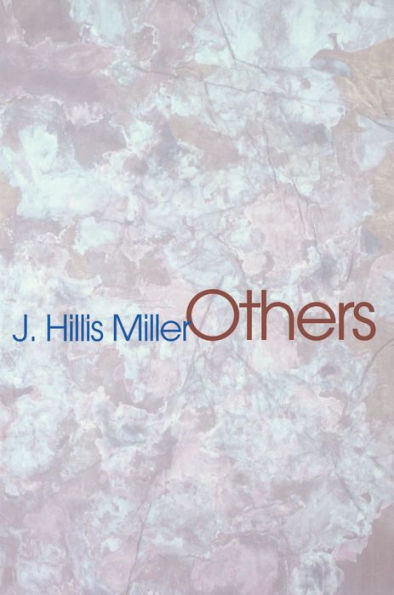
Others in Chattanooga, TN
Current price: $58.00
Barnes and Noble
Others in Chattanooga, TN
Current price: $58.00
Loading Inventory...
Size: Paperback
This volume fulfills the author's career-long reflections on radical otherness in literature. J. Hillis Miller investigates otherness through ten nineteenth- and twentieth-century authors: Friedrich Schlegel, Charles Dickens, George Eliot, Anthony Trollope, Joseph Conrad, W. B. Yeats, E. M. Forster, Marcel Proust, Paul de Man, and Jacques Derrida. From the exquisite close readings for which he is celebrated, Miller reaps a capacious understanding of othernessone reachable not through theory but through literature itself.
Otherness has wide valence in contemporary literary and cultural studies and is often understood as a misconception by hegemonic groups of subaltern ones. In a pleasing counter to this,
Others
conceives of otherness as something that inhabits sameness. Instances of the ''wholly other'' within the familiar include your sense of self or your beloved, your sense of your culture as such, or your experience of literary, theoretical, and philosophical works that belong to your own cultureworks that are themselves haunted by otherness.
Though
begins and ends with chapters on theorists, the testimony they offer about otherness is not taken as more compelling than that of such literary works as
Dicken's Our Mutual Friend
, Conrad's ''The Secret Sharer,'' Yeats's ''Cold Heaven,'' or Proust's
Remembrance of Things Past
. Otherness, as this book finds it in the writers read, is not an abstract concept. It is an elusive feature of specific verbal constructs, different in each case. It can be glimpsed only through close readings that respect this diversity, as the plural in the title
indicates.
We perceive otherness in the way that the unseenand the characters' emotional responses to itripples the conservative ideological surface of
Howard's End
. We sense it as chaos in Schlegel's radical concept of irony. And we gaze at it in the multiple personifications of
Heart of Darkness
. Each testifies in its own way to the richness and tangible weight of an otherness close at hand.
Otherness has wide valence in contemporary literary and cultural studies and is often understood as a misconception by hegemonic groups of subaltern ones. In a pleasing counter to this,
Others
conceives of otherness as something that inhabits sameness. Instances of the ''wholly other'' within the familiar include your sense of self or your beloved, your sense of your culture as such, or your experience of literary, theoretical, and philosophical works that belong to your own cultureworks that are themselves haunted by otherness.
Though
begins and ends with chapters on theorists, the testimony they offer about otherness is not taken as more compelling than that of such literary works as
Dicken's Our Mutual Friend
, Conrad's ''The Secret Sharer,'' Yeats's ''Cold Heaven,'' or Proust's
Remembrance of Things Past
. Otherness, as this book finds it in the writers read, is not an abstract concept. It is an elusive feature of specific verbal constructs, different in each case. It can be glimpsed only through close readings that respect this diversity, as the plural in the title
indicates.
We perceive otherness in the way that the unseenand the characters' emotional responses to itripples the conservative ideological surface of
Howard's End
. We sense it as chaos in Schlegel's radical concept of irony. And we gaze at it in the multiple personifications of
Heart of Darkness
. Each testifies in its own way to the richness and tangible weight of an otherness close at hand.
This volume fulfills the author's career-long reflections on radical otherness in literature. J. Hillis Miller investigates otherness through ten nineteenth- and twentieth-century authors: Friedrich Schlegel, Charles Dickens, George Eliot, Anthony Trollope, Joseph Conrad, W. B. Yeats, E. M. Forster, Marcel Proust, Paul de Man, and Jacques Derrida. From the exquisite close readings for which he is celebrated, Miller reaps a capacious understanding of othernessone reachable not through theory but through literature itself.
Otherness has wide valence in contemporary literary and cultural studies and is often understood as a misconception by hegemonic groups of subaltern ones. In a pleasing counter to this,
Others
conceives of otherness as something that inhabits sameness. Instances of the ''wholly other'' within the familiar include your sense of self or your beloved, your sense of your culture as such, or your experience of literary, theoretical, and philosophical works that belong to your own cultureworks that are themselves haunted by otherness.
Though
begins and ends with chapters on theorists, the testimony they offer about otherness is not taken as more compelling than that of such literary works as
Dicken's Our Mutual Friend
, Conrad's ''The Secret Sharer,'' Yeats's ''Cold Heaven,'' or Proust's
Remembrance of Things Past
. Otherness, as this book finds it in the writers read, is not an abstract concept. It is an elusive feature of specific verbal constructs, different in each case. It can be glimpsed only through close readings that respect this diversity, as the plural in the title
indicates.
We perceive otherness in the way that the unseenand the characters' emotional responses to itripples the conservative ideological surface of
Howard's End
. We sense it as chaos in Schlegel's radical concept of irony. And we gaze at it in the multiple personifications of
Heart of Darkness
. Each testifies in its own way to the richness and tangible weight of an otherness close at hand.
Otherness has wide valence in contemporary literary and cultural studies and is often understood as a misconception by hegemonic groups of subaltern ones. In a pleasing counter to this,
Others
conceives of otherness as something that inhabits sameness. Instances of the ''wholly other'' within the familiar include your sense of self or your beloved, your sense of your culture as such, or your experience of literary, theoretical, and philosophical works that belong to your own cultureworks that are themselves haunted by otherness.
Though
begins and ends with chapters on theorists, the testimony they offer about otherness is not taken as more compelling than that of such literary works as
Dicken's Our Mutual Friend
, Conrad's ''The Secret Sharer,'' Yeats's ''Cold Heaven,'' or Proust's
Remembrance of Things Past
. Otherness, as this book finds it in the writers read, is not an abstract concept. It is an elusive feature of specific verbal constructs, different in each case. It can be glimpsed only through close readings that respect this diversity, as the plural in the title
indicates.
We perceive otherness in the way that the unseenand the characters' emotional responses to itripples the conservative ideological surface of
Howard's End
. We sense it as chaos in Schlegel's radical concept of irony. And we gaze at it in the multiple personifications of
Heart of Darkness
. Each testifies in its own way to the richness and tangible weight of an otherness close at hand.
You May Also Like












More About Barnes and Noble at Hamilton Place
Barnes & Noble is the world’s largest retail bookseller and a leading retailer of content, digital media and educational products. Our Nook Digital business offers a lineup of NOOK® tablets and e-Readers and an expansive collection of digital reading content through the NOOK Store®. Barnes & Noble’s mission is to operate the best omni-channel specialty retail business in America, helping both our customers and booksellers reach their aspirations, while being a credit to the communities we serve.
2100 Hamilton Pl Blvd, Chattanooga, TN 37421, United States
Find Barnes and Noble at Hamilton Place in Chattanooga, TN
Visit Barnes and Noble at Hamilton Place in Chattanooga, TN