
Home
On the Incarnation of Christ: Against the Heretic Nestorius
Barnes and Noble
Loading Inventory...
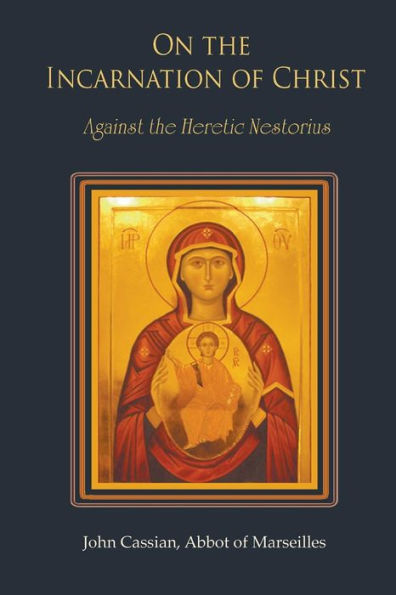
On the Incarnation of Christ: Against the Heretic Nestorius in Chattanooga, TN
Current price: $17.95
Barnes and Noble
On the Incarnation of Christ: Against the Heretic Nestorius in Chattanooga, TN
Current price: $17.95
Loading Inventory...
Size: OS
St John Cassian's little treatise on the Incarnation is of a very different character his better-known works of spirituality, the Institutes and the Collations. Cassian wrote the De Incarnatione in 429, at the request of Leo, Archdeacon of Rome, as part of the build-up to the condemnation of Nestorius at the Synod of Rome in 430 and the general Council of Ephesus in 431. Leo was himself to become Pope in 440, and intervene conclusively in the next Christological crisis, the Monophysite over-reaction to Nestorianism, settled at the Council of Chalcedon in 451. The great divisions which afflicted Christendom in the sixteenth century left the doctrine of the nature of Christ largely intact, so that Catholics, Orthodox and Protestants could at least agree on the conclusions of the first four General Councils. That all changed in the twentieth century, when the 'modernist' or 'liberal' movement in theology gained control over most Protestant and many Catholic writers. Many moderns, who still claim to be Christians, have consciously or unconsciously revived all the erroneous opinions which Cassian nicely terms the 'weeds' in the garden of God. This makes Cassian's work all the more relevant to Christians in the twenty-first century. A refutation of the heresy we know as Nestorianism, it also deals effectively with many other erroneous ideas on the nature of Christ - those of Ebion, Carinthus, Marcion, Sabellius, Arius, and Pelagius, the last of whom is specifically attacked in the fifth book of the treatise. Nestorius himself, as Patriarch of Constantinople, became notorious when he publicly denied that it was appropriate to call the Virgin Mary 'Theotokos' - the one who brought God to birth, or simply 'Mother of God'. Now all these ancient heresies, Ebionism, Cerinthianism, Marcionism, Sabellianism, Arianism, Pelagianism and Nestorianism, can be found happily ensconced in the common rooms of our great universities. Cassian teaches the fundamental Catholic principle of ongoing revelation through both Scripture and Tradition, and the authority of the living Church. In support of his work he quotes the Fathers, the great writers who have been accepted as authoritative by Orthodox and Catholic alike, although of course here they are his own actual or near contemporaries, and shows how the true interpretation of the Bible leads only to a Catholic conclusion. Jesus Christ is true God and true Man.
St John Cassian's little treatise on the Incarnation is of a very different character his better-known works of spirituality, the Institutes and the Collations. Cassian wrote the De Incarnatione in 429, at the request of Leo, Archdeacon of Rome, as part of the build-up to the condemnation of Nestorius at the Synod of Rome in 430 and the general Council of Ephesus in 431. Leo was himself to become Pope in 440, and intervene conclusively in the next Christological crisis, the Monophysite over-reaction to Nestorianism, settled at the Council of Chalcedon in 451. The great divisions which afflicted Christendom in the sixteenth century left the doctrine of the nature of Christ largely intact, so that Catholics, Orthodox and Protestants could at least agree on the conclusions of the first four General Councils. That all changed in the twentieth century, when the 'modernist' or 'liberal' movement in theology gained control over most Protestant and many Catholic writers. Many moderns, who still claim to be Christians, have consciously or unconsciously revived all the erroneous opinions which Cassian nicely terms the 'weeds' in the garden of God. This makes Cassian's work all the more relevant to Christians in the twenty-first century. A refutation of the heresy we know as Nestorianism, it also deals effectively with many other erroneous ideas on the nature of Christ - those of Ebion, Carinthus, Marcion, Sabellius, Arius, and Pelagius, the last of whom is specifically attacked in the fifth book of the treatise. Nestorius himself, as Patriarch of Constantinople, became notorious when he publicly denied that it was appropriate to call the Virgin Mary 'Theotokos' - the one who brought God to birth, or simply 'Mother of God'. Now all these ancient heresies, Ebionism, Cerinthianism, Marcionism, Sabellianism, Arianism, Pelagianism and Nestorianism, can be found happily ensconced in the common rooms of our great universities. Cassian teaches the fundamental Catholic principle of ongoing revelation through both Scripture and Tradition, and the authority of the living Church. In support of his work he quotes the Fathers, the great writers who have been accepted as authoritative by Orthodox and Catholic alike, although of course here they are his own actual or near contemporaries, and shows how the true interpretation of the Bible leads only to a Catholic conclusion. Jesus Christ is true God and true Man.
You May Also Like
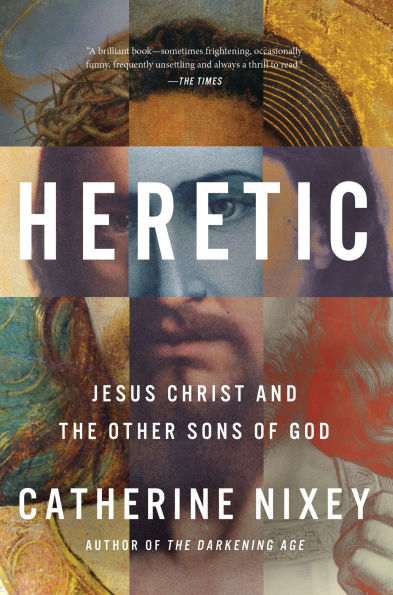

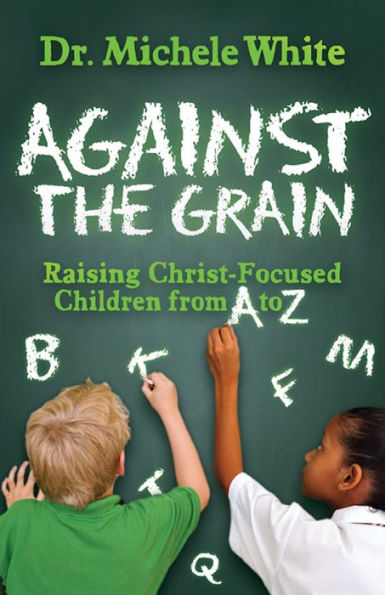
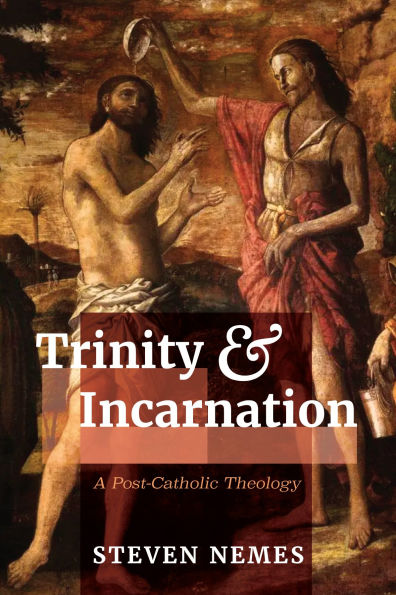








More About Barnes and Noble at Hamilton Place
Barnes & Noble is the world’s largest retail bookseller and a leading retailer of content, digital media and educational products. Our Nook Digital business offers a lineup of NOOK® tablets and e-Readers and an expansive collection of digital reading content through the NOOK Store®. Barnes & Noble’s mission is to operate the best omni-channel specialty retail business in America, helping both our customers and booksellers reach their aspirations, while being a credit to the communities we serve.
2100 Hamilton Pl Blvd, Chattanooga, TN 37421, United States
Find Barnes and Noble at Hamilton Place in Chattanooga, TN
Visit Barnes and Noble at Hamilton Place in Chattanooga, TN
