
Home
On the Aesthetics of Architecture: A Psychological Approach to Structure and Order Perceived Architectural Space
Barnes and Noble
Loading Inventory...
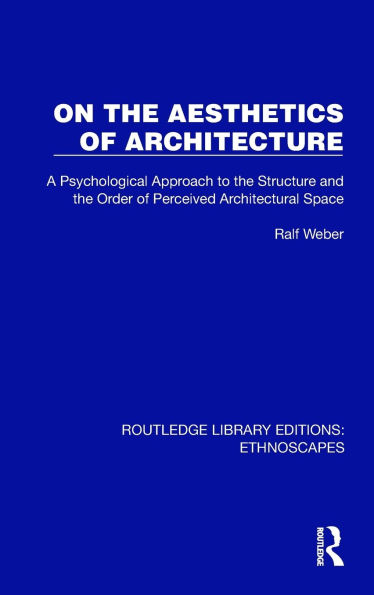
On the Aesthetics of Architecture: A Psychological Approach to Structure and Order Perceived Architectural Space in Chattanooga, TN
Current price: $135.00
Barnes and Noble
On the Aesthetics of Architecture: A Psychological Approach to Structure and Order Perceived Architectural Space in Chattanooga, TN
Current price: $135.00
Loading Inventory...
Size: Hardcover
Originally published in 1995 as part of the
Ethnoscapes: Current Challenges in the Environmental Social Sciences
series, reissued now with a new series introduction,
On the Aesthetics of Architecture
is a result of an interdisciplinary study in architectural theory, psychology and philosophy and the author’s experience as a practicing architect. It tries to relate theories of aesthetics and recent advances in the psychology of visual perception to the practice of design.
The text starts with an analysis of traditional and contemporary schools of thought in architectural theory, and then proceeds through the formulation of a general theory of aesthetics based on perceptual and cognitive information processing to a description of the actual conditions under which aesthetic experiences of buildings and cities take place. It exemplifies principles of aesthetic appropriateness through an analysis of architectural space and form.
Weber’s book attempts to move the discussion of architectural aesthetics beyond the shifting doctrines of style and the often ambiguous dicta of critics. While the author makes no claim that his interpretation of psychological research will result in good architecture, he does insist on the need to bring the discussion of form back to more objective grounds. As such, it provided a valuable teaching resource and an important new contribution to the discussion among architects themselves, as well as between psychologists, philosophers and art theorists at the time.
Ethnoscapes: Current Challenges in the Environmental Social Sciences
series, reissued now with a new series introduction,
On the Aesthetics of Architecture
is a result of an interdisciplinary study in architectural theory, psychology and philosophy and the author’s experience as a practicing architect. It tries to relate theories of aesthetics and recent advances in the psychology of visual perception to the practice of design.
The text starts with an analysis of traditional and contemporary schools of thought in architectural theory, and then proceeds through the formulation of a general theory of aesthetics based on perceptual and cognitive information processing to a description of the actual conditions under which aesthetic experiences of buildings and cities take place. It exemplifies principles of aesthetic appropriateness through an analysis of architectural space and form.
Weber’s book attempts to move the discussion of architectural aesthetics beyond the shifting doctrines of style and the often ambiguous dicta of critics. While the author makes no claim that his interpretation of psychological research will result in good architecture, he does insist on the need to bring the discussion of form back to more objective grounds. As such, it provided a valuable teaching resource and an important new contribution to the discussion among architects themselves, as well as between psychologists, philosophers and art theorists at the time.
Originally published in 1995 as part of the
Ethnoscapes: Current Challenges in the Environmental Social Sciences
series, reissued now with a new series introduction,
On the Aesthetics of Architecture
is a result of an interdisciplinary study in architectural theory, psychology and philosophy and the author’s experience as a practicing architect. It tries to relate theories of aesthetics and recent advances in the psychology of visual perception to the practice of design.
The text starts with an analysis of traditional and contemporary schools of thought in architectural theory, and then proceeds through the formulation of a general theory of aesthetics based on perceptual and cognitive information processing to a description of the actual conditions under which aesthetic experiences of buildings and cities take place. It exemplifies principles of aesthetic appropriateness through an analysis of architectural space and form.
Weber’s book attempts to move the discussion of architectural aesthetics beyond the shifting doctrines of style and the often ambiguous dicta of critics. While the author makes no claim that his interpretation of psychological research will result in good architecture, he does insist on the need to bring the discussion of form back to more objective grounds. As such, it provided a valuable teaching resource and an important new contribution to the discussion among architects themselves, as well as between psychologists, philosophers and art theorists at the time.
Ethnoscapes: Current Challenges in the Environmental Social Sciences
series, reissued now with a new series introduction,
On the Aesthetics of Architecture
is a result of an interdisciplinary study in architectural theory, psychology and philosophy and the author’s experience as a practicing architect. It tries to relate theories of aesthetics and recent advances in the psychology of visual perception to the practice of design.
The text starts with an analysis of traditional and contemporary schools of thought in architectural theory, and then proceeds through the formulation of a general theory of aesthetics based on perceptual and cognitive information processing to a description of the actual conditions under which aesthetic experiences of buildings and cities take place. It exemplifies principles of aesthetic appropriateness through an analysis of architectural space and form.
Weber’s book attempts to move the discussion of architectural aesthetics beyond the shifting doctrines of style and the often ambiguous dicta of critics. While the author makes no claim that his interpretation of psychological research will result in good architecture, he does insist on the need to bring the discussion of form back to more objective grounds. As such, it provided a valuable teaching resource and an important new contribution to the discussion among architects themselves, as well as between psychologists, philosophers and art theorists at the time.
You May Also Like

















More About Barnes and Noble at Hamilton Place
Barnes & Noble is the world’s largest retail bookseller and a leading retailer of content, digital media and educational products. Our Nook Digital business offers a lineup of NOOK® tablets and e-Readers and an expansive collection of digital reading content through the NOOK Store®. Barnes & Noble’s mission is to operate the best omni-channel specialty retail business in America, helping both our customers and booksellers reach their aspirations, while being a credit to the communities we serve.
2100 Hamilton Pl Blvd, Chattanooga, TN 37421, United States
Find Barnes and Noble at Hamilton Place in Chattanooga, TN
Visit Barnes and Noble at Hamilton Place in Chattanooga, TN
