
Home
Novelty
Barnes and Noble
Loading Inventory...
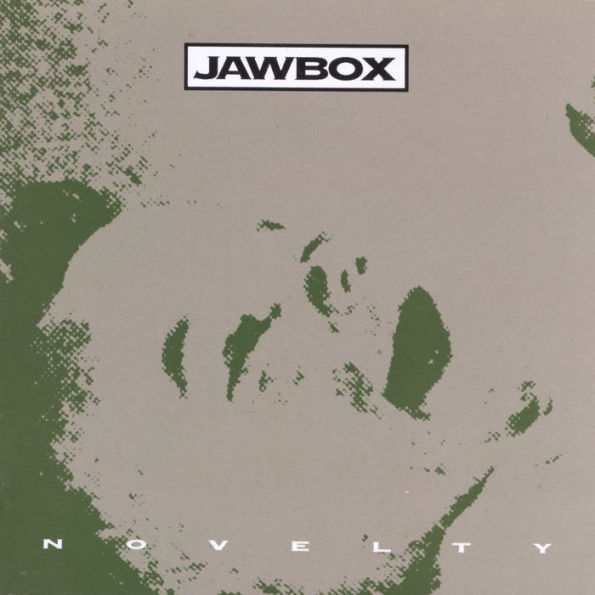
Novelty in Chattanooga, TN
Current price: $14.99
Barnes and Noble
Novelty in Chattanooga, TN
Current price: $14.99
Loading Inventory...
Size: CD
Novelty
ushered in second guitarist and vocalist
Bill Barbot
, immediately bolstering
Jawbox
's might. Differing from the debut, the guitars are sharper and the riffs are more concise. Less straight-ahead, the record is also more dynamic, benefiting from more varied material. The only negative aspect is
Iain Burgess
' murky production. Normally an outstanding producer,
Burgess
gives
a bizarre din that frustrates in places.
Adam Wade
's drums sound a bit canned, and
J. Robbins
' vocals sound too "from the depths" on occasion. It's still a marked improvement over
Grippe
, with
Wade
and bassist
Kim Coletta
sounding more in tune with each other;
Barbot
immediately proves to be the perfect foil for
Robbins
, engaging in some excellent guitar joust throughout.
Lyrically,
gets more abstract. (He also screams a bit more, but in a well-controlled manner.) Less introspective perhaps, songs like the excellent
"Static"
(one of the band's finest moments) seem to tackle one-on-one issues. Otherwise, who knows exactly what
is addressing? Definitely not cut and dry, the songs certainly leave themselves open to any form of interpretation, but how do you decode lines like "I've got this syllable sickness called the six second blues/No doubt quixotic talk has been subsumed"? Sounds neat, so go with it.
is transformed from a good record to a great one with the addition of the
"Tongues"
single. Full of dense swirls of swooping guitars, only to be ejected by a thick riff (the intro almost sounds like
the Smiths
'
"How Soon Is Now"
), the song separates the band from their D.C./Chicago roots while clinging to them at the same time. Call it My Bloody Minor Raygun. ~ Andy Kellman
ushered in second guitarist and vocalist
Bill Barbot
, immediately bolstering
Jawbox
's might. Differing from the debut, the guitars are sharper and the riffs are more concise. Less straight-ahead, the record is also more dynamic, benefiting from more varied material. The only negative aspect is
Iain Burgess
' murky production. Normally an outstanding producer,
Burgess
gives
a bizarre din that frustrates in places.
Adam Wade
's drums sound a bit canned, and
J. Robbins
' vocals sound too "from the depths" on occasion. It's still a marked improvement over
Grippe
, with
Wade
and bassist
Kim Coletta
sounding more in tune with each other;
Barbot
immediately proves to be the perfect foil for
Robbins
, engaging in some excellent guitar joust throughout.
Lyrically,
gets more abstract. (He also screams a bit more, but in a well-controlled manner.) Less introspective perhaps, songs like the excellent
"Static"
(one of the band's finest moments) seem to tackle one-on-one issues. Otherwise, who knows exactly what
is addressing? Definitely not cut and dry, the songs certainly leave themselves open to any form of interpretation, but how do you decode lines like "I've got this syllable sickness called the six second blues/No doubt quixotic talk has been subsumed"? Sounds neat, so go with it.
is transformed from a good record to a great one with the addition of the
"Tongues"
single. Full of dense swirls of swooping guitars, only to be ejected by a thick riff (the intro almost sounds like
the Smiths
'
"How Soon Is Now"
), the song separates the band from their D.C./Chicago roots while clinging to them at the same time. Call it My Bloody Minor Raygun. ~ Andy Kellman
Novelty
ushered in second guitarist and vocalist
Bill Barbot
, immediately bolstering
Jawbox
's might. Differing from the debut, the guitars are sharper and the riffs are more concise. Less straight-ahead, the record is also more dynamic, benefiting from more varied material. The only negative aspect is
Iain Burgess
' murky production. Normally an outstanding producer,
Burgess
gives
a bizarre din that frustrates in places.
Adam Wade
's drums sound a bit canned, and
J. Robbins
' vocals sound too "from the depths" on occasion. It's still a marked improvement over
Grippe
, with
Wade
and bassist
Kim Coletta
sounding more in tune with each other;
Barbot
immediately proves to be the perfect foil for
Robbins
, engaging in some excellent guitar joust throughout.
Lyrically,
gets more abstract. (He also screams a bit more, but in a well-controlled manner.) Less introspective perhaps, songs like the excellent
"Static"
(one of the band's finest moments) seem to tackle one-on-one issues. Otherwise, who knows exactly what
is addressing? Definitely not cut and dry, the songs certainly leave themselves open to any form of interpretation, but how do you decode lines like "I've got this syllable sickness called the six second blues/No doubt quixotic talk has been subsumed"? Sounds neat, so go with it.
is transformed from a good record to a great one with the addition of the
"Tongues"
single. Full of dense swirls of swooping guitars, only to be ejected by a thick riff (the intro almost sounds like
the Smiths
'
"How Soon Is Now"
), the song separates the band from their D.C./Chicago roots while clinging to them at the same time. Call it My Bloody Minor Raygun. ~ Andy Kellman
ushered in second guitarist and vocalist
Bill Barbot
, immediately bolstering
Jawbox
's might. Differing from the debut, the guitars are sharper and the riffs are more concise. Less straight-ahead, the record is also more dynamic, benefiting from more varied material. The only negative aspect is
Iain Burgess
' murky production. Normally an outstanding producer,
Burgess
gives
a bizarre din that frustrates in places.
Adam Wade
's drums sound a bit canned, and
J. Robbins
' vocals sound too "from the depths" on occasion. It's still a marked improvement over
Grippe
, with
Wade
and bassist
Kim Coletta
sounding more in tune with each other;
Barbot
immediately proves to be the perfect foil for
Robbins
, engaging in some excellent guitar joust throughout.
Lyrically,
gets more abstract. (He also screams a bit more, but in a well-controlled manner.) Less introspective perhaps, songs like the excellent
"Static"
(one of the band's finest moments) seem to tackle one-on-one issues. Otherwise, who knows exactly what
is addressing? Definitely not cut and dry, the songs certainly leave themselves open to any form of interpretation, but how do you decode lines like "I've got this syllable sickness called the six second blues/No doubt quixotic talk has been subsumed"? Sounds neat, so go with it.
is transformed from a good record to a great one with the addition of the
"Tongues"
single. Full of dense swirls of swooping guitars, only to be ejected by a thick riff (the intro almost sounds like
the Smiths
'
"How Soon Is Now"
), the song separates the band from their D.C./Chicago roots while clinging to them at the same time. Call it My Bloody Minor Raygun. ~ Andy Kellman
You May Also Like
![Last Bell [Barnes & Noble Exclusive]](https://prodimage.images-bn.com/pimages/0198704145698_p0_v1_s600x595.jpg)

![C'mon [Barnes & Noble Exclusive]](https://prodimage.images-bn.com/pimages/0751937362326_p0_v1_s600x595.jpg)








More About Barnes and Noble at Hamilton Place
Barnes & Noble is the world’s largest retail bookseller and a leading retailer of content, digital media and educational products. Our Nook Digital business offers a lineup of NOOK® tablets and e-Readers and an expansive collection of digital reading content through the NOOK Store®. Barnes & Noble’s mission is to operate the best omni-channel specialty retail business in America, helping both our customers and booksellers reach their aspirations, while being a credit to the communities we serve.
2100 Hamilton Pl Blvd, Chattanooga, TN 37421, United States
Find Barnes and Noble at Hamilton Place in Chattanooga, TN
Visit Barnes and Noble at Hamilton Place in Chattanooga, TN