
Home
Notre Coeur - A Woman's Pastime: Psychological Novel
Barnes and Noble
Loading Inventory...
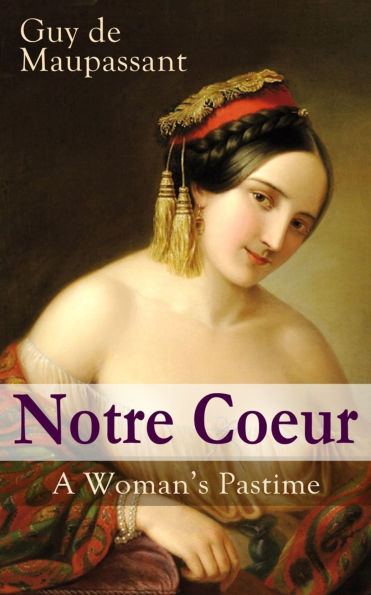
Notre Coeur - A Woman's Pastime: Psychological Novel in Chattanooga, TN
Current price: $10.20
Barnes and Noble
Notre Coeur - A Woman's Pastime: Psychological Novel in Chattanooga, TN
Current price: $10.20
Loading Inventory...
Size: OS
In "Notre Coeur - A Woman's Pastime," Guy de Maupassant intricately weaves a narrative that explores the complexities of love, desire, and societal expectations through the lens of gender. Set against the backdrop of 19th-century France, the text showcases Maupassant's signature realist style, characterized by keen psychological insight and vivid depictions of bourgeois life. The novel delves into the psyche of its protagonist, a woman yearning for freedom amidst the constraints of marriage and societal norms, highlighting the tension between personal longing and external obligation. Maupassant employs rich symbolism and a poignant narrative tone, inviting readers to reflect on the entangled nature of romantic relationships within a patriarchal society. Guy de Maupassant, a master of the short story and a literary figure of the realist movement, was deeply influenced by his own experiences of love and loss. Growing up in a time when women's roles were strictly defined, Maupassant's understanding of the societal limitations placed upon women and the emotional ramifications of these constraints shaped the nuanced characters he crafted. His works often stem from a personal lens, reflecting his struggles with intimacy and societal expectations, thus lending authenticity to his narratives. This compelling novella is highly recommended for readers interested in historical perspectives on gender and romance. Maupassant's exploration of emotional depth and societal critique resonates deeply, making this work not only a significant literary endeavor but also a relevant commentary on the perpetual challenges faced by women in the pursuit of love and autonomy.
In "Notre Coeur - A Woman's Pastime," Guy de Maupassant intricately weaves a narrative that explores the complexities of love, desire, and societal expectations through the lens of gender. Set against the backdrop of 19th-century France, the text showcases Maupassant's signature realist style, characterized by keen psychological insight and vivid depictions of bourgeois life. The novel delves into the psyche of its protagonist, a woman yearning for freedom amidst the constraints of marriage and societal norms, highlighting the tension between personal longing and external obligation. Maupassant employs rich symbolism and a poignant narrative tone, inviting readers to reflect on the entangled nature of romantic relationships within a patriarchal society. Guy de Maupassant, a master of the short story and a literary figure of the realist movement, was deeply influenced by his own experiences of love and loss. Growing up in a time when women's roles were strictly defined, Maupassant's understanding of the societal limitations placed upon women and the emotional ramifications of these constraints shaped the nuanced characters he crafted. His works often stem from a personal lens, reflecting his struggles with intimacy and societal expectations, thus lending authenticity to his narratives. This compelling novella is highly recommended for readers interested in historical perspectives on gender and romance. Maupassant's exploration of emotional depth and societal critique resonates deeply, making this work not only a significant literary endeavor but also a relevant commentary on the perpetual challenges faced by women in the pursuit of love and autonomy.
You May Also Like












More About Barnes and Noble at Hamilton Place
Barnes & Noble is the world’s largest retail bookseller and a leading retailer of content, digital media and educational products. Our Nook Digital business offers a lineup of NOOK® tablets and e-Readers and an expansive collection of digital reading content through the NOOK Store®. Barnes & Noble’s mission is to operate the best omni-channel specialty retail business in America, helping both our customers and booksellers reach their aspirations, while being a credit to the communities we serve.
2100 Hamilton Pl Blvd, Chattanooga, TN 37421, United States
Find Barnes and Noble at Hamilton Place in Chattanooga, TN
Visit Barnes and Noble at Hamilton Place in Chattanooga, TN
