
Home
New Lives, New Landscapes Revisited: Rural Modernity in Britain
Barnes and Noble
Loading Inventory...
New Lives, New Landscapes Revisited: Rural Modernity in Britain in Chattanooga, TN
Current price: $110.00
Barnes and Noble
New Lives, New Landscapes Revisited: Rural Modernity in Britain in Chattanooga, TN
Current price: $110.00
Loading Inventory...
Size: OS
In 1970, the Architectural Press published
New Lives, New Landscapes
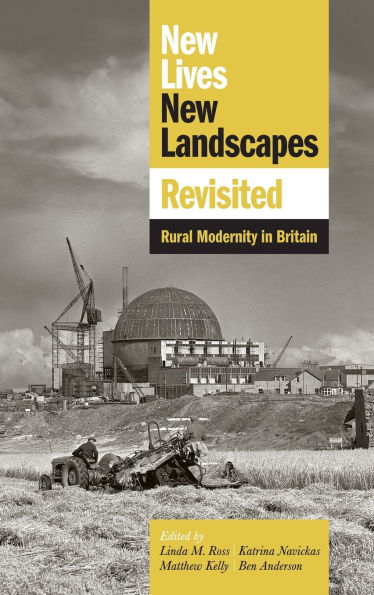
, Nan Fairbrother's optimistic account of how the British landscape was materially transformed in the post-war decades. Reservoirs, power stations, television and radio-transmitter masts, electricity and telephone pylons, as well as local authority housing and new or improved roads, produced a new rurality. So too did state-subsidised agricultural intensification, wider public access to the countryside, and environmentally protective measures. These included landscape designations such as National Parks, Areas of Outstanding Natural Beauty, and Sites of Special Scientific Interest. Central to Fairbrother's approach was the concomitant transformation in how British people interacted with these new landscapes in an age of increased mobility. This new edited collection of essays,
New Lives, New Landscapes Revisited: Rural Modernity in Britain
brings a fresh historical perspective to bear on Fairbrother's concerns. It examines how the changing relationship between government, state, and citizen gave rise to a distinct rural modernity during the middle decades of the twentieth century.
New Lives, New Landscapes
, Nan Fairbrother's optimistic account of how the British landscape was materially transformed in the post-war decades. Reservoirs, power stations, television and radio-transmitter masts, electricity and telephone pylons, as well as local authority housing and new or improved roads, produced a new rurality. So too did state-subsidised agricultural intensification, wider public access to the countryside, and environmentally protective measures. These included landscape designations such as National Parks, Areas of Outstanding Natural Beauty, and Sites of Special Scientific Interest. Central to Fairbrother's approach was the concomitant transformation in how British people interacted with these new landscapes in an age of increased mobility. This new edited collection of essays,
New Lives, New Landscapes Revisited: Rural Modernity in Britain
brings a fresh historical perspective to bear on Fairbrother's concerns. It examines how the changing relationship between government, state, and citizen gave rise to a distinct rural modernity during the middle decades of the twentieth century.
In 1970, the Architectural Press published
New Lives, New Landscapes
, Nan Fairbrother's optimistic account of how the British landscape was materially transformed in the post-war decades. Reservoirs, power stations, television and radio-transmitter masts, electricity and telephone pylons, as well as local authority housing and new or improved roads, produced a new rurality. So too did state-subsidised agricultural intensification, wider public access to the countryside, and environmentally protective measures. These included landscape designations such as National Parks, Areas of Outstanding Natural Beauty, and Sites of Special Scientific Interest. Central to Fairbrother's approach was the concomitant transformation in how British people interacted with these new landscapes in an age of increased mobility. This new edited collection of essays,
New Lives, New Landscapes Revisited: Rural Modernity in Britain
brings a fresh historical perspective to bear on Fairbrother's concerns. It examines how the changing relationship between government, state, and citizen gave rise to a distinct rural modernity during the middle decades of the twentieth century.
New Lives, New Landscapes
, Nan Fairbrother's optimistic account of how the British landscape was materially transformed in the post-war decades. Reservoirs, power stations, television and radio-transmitter masts, electricity and telephone pylons, as well as local authority housing and new or improved roads, produced a new rurality. So too did state-subsidised agricultural intensification, wider public access to the countryside, and environmentally protective measures. These included landscape designations such as National Parks, Areas of Outstanding Natural Beauty, and Sites of Special Scientific Interest. Central to Fairbrother's approach was the concomitant transformation in how British people interacted with these new landscapes in an age of increased mobility. This new edited collection of essays,
New Lives, New Landscapes Revisited: Rural Modernity in Britain
brings a fresh historical perspective to bear on Fairbrother's concerns. It examines how the changing relationship between government, state, and citizen gave rise to a distinct rural modernity during the middle decades of the twentieth century.
You May Also Like









More About Barnes and Noble at Hamilton Place
Barnes & Noble is the world’s largest retail bookseller and a leading retailer of content, digital media and educational products. Our Nook Digital business offers a lineup of NOOK® tablets and e-Readers and an expansive collection of digital reading content through the NOOK Store®. Barnes & Noble’s mission is to operate the best omni-channel specialty retail business in America, helping both our customers and booksellers reach their aspirations, while being a credit to the communities we serve.
2100 Hamilton Pl Blvd, Chattanooga, TN 37421, United States
Find Barnes and Noble at Hamilton Place in Chattanooga, TN
Visit Barnes and Noble at Hamilton Place in Chattanooga, TN
