
Home
Native-Speakerism and Trans-Speakerism: Entering a New Era
Barnes and Noble
Loading Inventory...
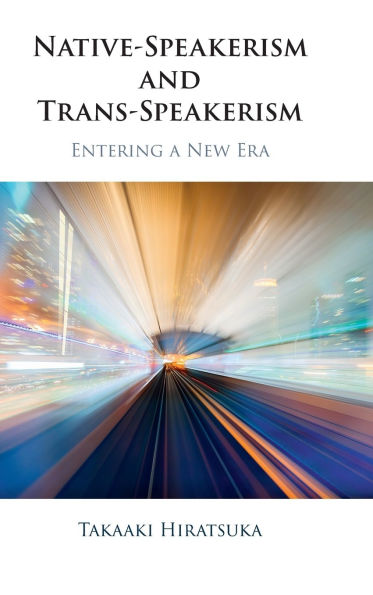
Native-Speakerism and Trans-Speakerism: Entering a New Era in Chattanooga, TN
Current price: $130.00
Barnes and Noble
Native-Speakerism and Trans-Speakerism: Entering a New Era in Chattanooga, TN
Current price: $130.00
Loading Inventory...
Size: Hardcover
Native-speakerism is a deeply embedded prejudice that perpetuates unequal power dynamics in language education. By introducing the liberating concept of trans-speakerism, this innovative book dismantles prevalent biases and reshapes the discourse in the field. It proposes inclusive designations such as global speaker of English (GSE), global teacher of English (GTE), and global Englishes researcher (GER), and urges a shift away from labels that maintain marginalization. By systematically reviewing previous studies, it challenges native-speakerism, and seeks to advance diversity, equity, and inclusion for all language speakers, teachers and researchers – transcending the limitations imposed by speakerhood statuses. The volume features the voices of non-native English-speaking (NNES) secondary school teachers, graduate students, and university professors in Japan, highlighting the strengths, interests, and uniqueness of language practitioners and researchers – both intellectually and emotionally. It ultimately encourages all language educators, researchers, and policymakers to oppose biases, welcome linguistic diversity, and develop inclusive language education environments.
Native-speakerism is a deeply embedded prejudice that perpetuates unequal power dynamics in language education. By introducing the liberating concept of trans-speakerism, this innovative book dismantles prevalent biases and reshapes the discourse in the field. It proposes inclusive designations such as global speaker of English (GSE), global teacher of English (GTE), and global Englishes researcher (GER), and urges a shift away from labels that maintain marginalization. By systematically reviewing previous studies, it challenges native-speakerism, and seeks to advance diversity, equity, and inclusion for all language speakers, teachers and researchers – transcending the limitations imposed by speakerhood statuses. The volume features the voices of non-native English-speaking (NNES) secondary school teachers, graduate students, and university professors in Japan, highlighting the strengths, interests, and uniqueness of language practitioners and researchers – both intellectually and emotionally. It ultimately encourages all language educators, researchers, and policymakers to oppose biases, welcome linguistic diversity, and develop inclusive language education environments.
You May Also Like
















More About Barnes and Noble at Hamilton Place
Barnes & Noble is the world’s largest retail bookseller and a leading retailer of content, digital media and educational products. Our Nook Digital business offers a lineup of NOOK® tablets and e-Readers and an expansive collection of digital reading content through the NOOK Store®. Barnes & Noble’s mission is to operate the best omni-channel specialty retail business in America, helping both our customers and booksellers reach their aspirations, while being a credit to the communities we serve.
2100 Hamilton Pl Blvd, Chattanooga, TN 37421, United States
Find Barnes and Noble at Hamilton Place in Chattanooga, TN
Visit Barnes and Noble at Hamilton Place in Chattanooga, TN
