
Home
Naming God: Addressing the Divine Philosophy, Theology and Scripture
Barnes and Noble
Loading Inventory...
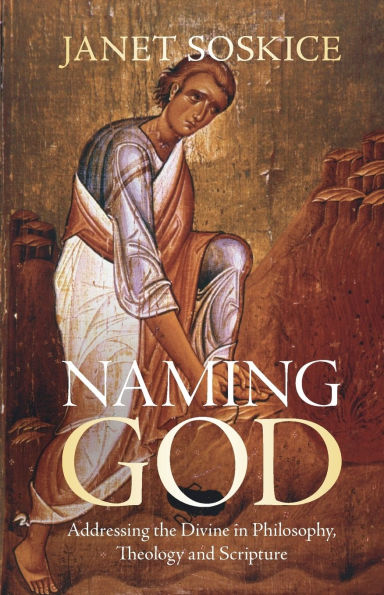
Naming God: Addressing the Divine Philosophy, Theology and Scripture in Chattanooga, TN
Current price: $39.99
Barnes and Noble
Naming God: Addressing the Divine Philosophy, Theology and Scripture in Chattanooga, TN
Current price: $39.99
Loading Inventory...
Size: Hardcover
Generations of Christians, Janet Soskice demonstrates, once knew God and Christ by hundreds of remarkable names. These included the appellations 'Messiah', 'Emmanuel', 'Alpha', 'Omega', 'Eternal', 'All-Powerful', 'Lamb', 'Lion', 'Goat', 'One', 'Word', 'Serpent' and 'Bridegroom'. In her much-anticipated new book, Soskice argues that contemporary understandings of divinity could be transformed by a return to a venerable analogical tradition of divine naming. These ancient titles – drawn from scripture – were chanted and sung, crafted and invoked (in polyphony and plainsong) as they were woven into the worship of the faithful. However, during the sixteenth century Descartes moved from 'naming' to 'defining' God via a series of metaphysical attributes. This made God a thing among things: a being amongst beings. For the author, reclaiming divine naming is not only overdue. It can also re-energize the relationship between philosophy and religious tradition. This path-breaking book shows just how rich and revolutionary such reclamation might be.
Generations of Christians, Janet Soskice demonstrates, once knew God and Christ by hundreds of remarkable names. These included the appellations 'Messiah', 'Emmanuel', 'Alpha', 'Omega', 'Eternal', 'All-Powerful', 'Lamb', 'Lion', 'Goat', 'One', 'Word', 'Serpent' and 'Bridegroom'. In her much-anticipated new book, Soskice argues that contemporary understandings of divinity could be transformed by a return to a venerable analogical tradition of divine naming. These ancient titles – drawn from scripture – were chanted and sung, crafted and invoked (in polyphony and plainsong) as they were woven into the worship of the faithful. However, during the sixteenth century Descartes moved from 'naming' to 'defining' God via a series of metaphysical attributes. This made God a thing among things: a being amongst beings. For the author, reclaiming divine naming is not only overdue. It can also re-energize the relationship between philosophy and religious tradition. This path-breaking book shows just how rich and revolutionary such reclamation might be.
You May Also Like










More About Barnes and Noble at Hamilton Place
Barnes & Noble is the world’s largest retail bookseller and a leading retailer of content, digital media and educational products. Our Nook Digital business offers a lineup of NOOK® tablets and e-Readers and an expansive collection of digital reading content through the NOOK Store®. Barnes & Noble’s mission is to operate the best omni-channel specialty retail business in America, helping both our customers and booksellers reach their aspirations, while being a credit to the communities we serve.
2100 Hamilton Pl Blvd, Chattanooga, TN 37421, United States
Find Barnes and Noble at Hamilton Place in Chattanooga, TN
Visit Barnes and Noble at Hamilton Place in Chattanooga, TN
