
Home
Music for the Revolution: Musicians and Power in Early Soviet Russia
Barnes and Noble
Loading Inventory...
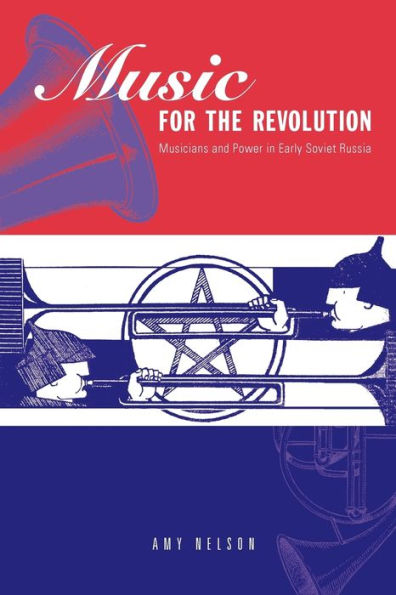
Music for the Revolution: Musicians and Power in Early Soviet Russia in Chattanooga, TN
Current price: $40.95
Barnes and Noble
Music for the Revolution: Musicians and Power in Early Soviet Russia in Chattanooga, TN
Current price: $40.95
Loading Inventory...
Size: OS
Mention twentieth-century Russian music, and the names of three "giants"—Igor Stravinsky, Sergei Prokofiev, and Dmitrii Shostakovich—immediately come to mind. Yet during the turbulent decade following the Bolshevik Revolution, Stravinsky and Prokofiev lived abroad and Shostakovich was just finishing his conservatory training. While the fame of these great musicians is widely recognized, little is known about the creative challenges and political struggles that engrossed musicians in Soviet Russia during the crucial years after 1917.
Music for the Revolution
examines musicians’ responses to Soviet power and reveals the conditions under which a distinctively Soviet musical culture emerged in the early thirties.
Given the dramatic repression of intellectual freedom and creativity in Stalinist Russia, the twenties often seem to be merely a prelude to Totalitarianism in artistic life. Yet this was the decade in which the creative intelligentsia defined its relationship with the Soviet regime and the aesthetic foundations for socialist realism were laid down. In their efforts to deal with the political challenges of the Revolution, musicians grappled with an array of issues affecting musical education, professional identity, and the administration of musical life, as well as the embrace of certain creative platforms and the rejection of others. Nelson shows how debates about these issues unfolded in the context of broader concerns about artistic modernism and elitism, as well as the more expansive goals and censorial authority of Soviet authorities.
shows how the musical community helped shape the musical culture of Stalinism and extends the interpretive frameworks of Soviet culture presented in recent scholarship to an area of artistic creativity often overlooked by historians. It should be broadly important to those interested in Soviet history, the cultural roots of Stalinism, Russian and Soviet music, and the place of music and the arts in revolutionary change.
Music for the Revolution
examines musicians’ responses to Soviet power and reveals the conditions under which a distinctively Soviet musical culture emerged in the early thirties.
Given the dramatic repression of intellectual freedom and creativity in Stalinist Russia, the twenties often seem to be merely a prelude to Totalitarianism in artistic life. Yet this was the decade in which the creative intelligentsia defined its relationship with the Soviet regime and the aesthetic foundations for socialist realism were laid down. In their efforts to deal with the political challenges of the Revolution, musicians grappled with an array of issues affecting musical education, professional identity, and the administration of musical life, as well as the embrace of certain creative platforms and the rejection of others. Nelson shows how debates about these issues unfolded in the context of broader concerns about artistic modernism and elitism, as well as the more expansive goals and censorial authority of Soviet authorities.
shows how the musical community helped shape the musical culture of Stalinism and extends the interpretive frameworks of Soviet culture presented in recent scholarship to an area of artistic creativity often overlooked by historians. It should be broadly important to those interested in Soviet history, the cultural roots of Stalinism, Russian and Soviet music, and the place of music and the arts in revolutionary change.
Mention twentieth-century Russian music, and the names of three "giants"—Igor Stravinsky, Sergei Prokofiev, and Dmitrii Shostakovich—immediately come to mind. Yet during the turbulent decade following the Bolshevik Revolution, Stravinsky and Prokofiev lived abroad and Shostakovich was just finishing his conservatory training. While the fame of these great musicians is widely recognized, little is known about the creative challenges and political struggles that engrossed musicians in Soviet Russia during the crucial years after 1917.
Music for the Revolution
examines musicians’ responses to Soviet power and reveals the conditions under which a distinctively Soviet musical culture emerged in the early thirties.
Given the dramatic repression of intellectual freedom and creativity in Stalinist Russia, the twenties often seem to be merely a prelude to Totalitarianism in artistic life. Yet this was the decade in which the creative intelligentsia defined its relationship with the Soviet regime and the aesthetic foundations for socialist realism were laid down. In their efforts to deal with the political challenges of the Revolution, musicians grappled with an array of issues affecting musical education, professional identity, and the administration of musical life, as well as the embrace of certain creative platforms and the rejection of others. Nelson shows how debates about these issues unfolded in the context of broader concerns about artistic modernism and elitism, as well as the more expansive goals and censorial authority of Soviet authorities.
shows how the musical community helped shape the musical culture of Stalinism and extends the interpretive frameworks of Soviet culture presented in recent scholarship to an area of artistic creativity often overlooked by historians. It should be broadly important to those interested in Soviet history, the cultural roots of Stalinism, Russian and Soviet music, and the place of music and the arts in revolutionary change.
Music for the Revolution
examines musicians’ responses to Soviet power and reveals the conditions under which a distinctively Soviet musical culture emerged in the early thirties.
Given the dramatic repression of intellectual freedom and creativity in Stalinist Russia, the twenties often seem to be merely a prelude to Totalitarianism in artistic life. Yet this was the decade in which the creative intelligentsia defined its relationship with the Soviet regime and the aesthetic foundations for socialist realism were laid down. In their efforts to deal with the political challenges of the Revolution, musicians grappled with an array of issues affecting musical education, professional identity, and the administration of musical life, as well as the embrace of certain creative platforms and the rejection of others. Nelson shows how debates about these issues unfolded in the context of broader concerns about artistic modernism and elitism, as well as the more expansive goals and censorial authority of Soviet authorities.
shows how the musical community helped shape the musical culture of Stalinism and extends the interpretive frameworks of Soviet culture presented in recent scholarship to an area of artistic creativity often overlooked by historians. It should be broadly important to those interested in Soviet history, the cultural roots of Stalinism, Russian and Soviet music, and the place of music and the arts in revolutionary change.
You May Also Like









More About Barnes and Noble at Hamilton Place
Barnes & Noble is the world’s largest retail bookseller and a leading retailer of content, digital media and educational products. Our Nook Digital business offers a lineup of NOOK® tablets and e-Readers and an expansive collection of digital reading content through the NOOK Store®. Barnes & Noble’s mission is to operate the best omni-channel specialty retail business in America, helping both our customers and booksellers reach their aspirations, while being a credit to the communities we serve.
2100 Hamilton Pl Blvd, Chattanooga, TN 37421, United States
Find Barnes and Noble at Hamilton Place in Chattanooga, TN
Visit Barnes and Noble at Hamilton Place in Chattanooga, TN
