
Home
Multilingual Crisis Communication: Insights from China
Barnes and Noble
Loading Inventory...
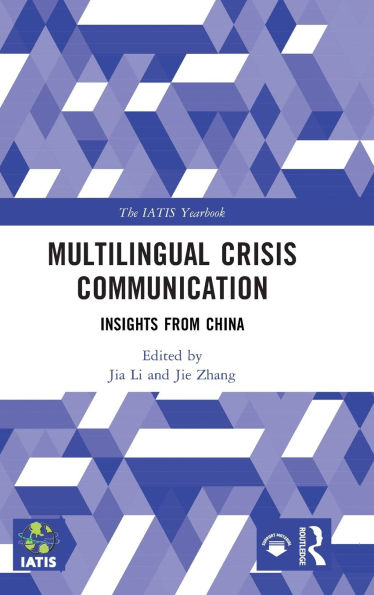
Multilingual Crisis Communication: Insights from China in Chattanooga, TN
Current price: $180.00
Barnes and Noble
Multilingual Crisis Communication: Insights from China in Chattanooga, TN
Current price: $180.00
Loading Inventory...
Size: Hardcover
Multilingual Crisis Communication
is the first book to explore the lived experiences of linguistic minorities in crisis-affected settings in the Global South, particularly during the Covid-19 pandemic. China has been selected as a case of inquiry for multilingual crisis communication because of its high level of linguistic diversity. Taking up critical sociopolitical approaches, this book conceptualizes multilingual crisis communication from three dimensions: identifying communication barriers, engaging communication repertoires, and empowering communication justice.
Comprising eight main chapters, along with an introduction and an epilogue, this edited book is divided into three parts in terms of the demographic and social conditions of linguistic minorities, as indigenous, migrant, and those with communicative disabilities. This book brings together a range of critical perspectives of sociolinguistic scholars, language teachers, and public health workers. Each team of authors includes at least one member of the research community with many years of field work experience, and some of them belong to ethnic minorities. These studies can generate new insights for enhancing the accessibility and effectiveness of multilingual crisis communication.
This book will be of interest to academics and postgraduate students in the fields of multilingualism, intercultural communication, translation and interpreting studies, and public health policy.
is the first book to explore the lived experiences of linguistic minorities in crisis-affected settings in the Global South, particularly during the Covid-19 pandemic. China has been selected as a case of inquiry for multilingual crisis communication because of its high level of linguistic diversity. Taking up critical sociopolitical approaches, this book conceptualizes multilingual crisis communication from three dimensions: identifying communication barriers, engaging communication repertoires, and empowering communication justice.
Comprising eight main chapters, along with an introduction and an epilogue, this edited book is divided into three parts in terms of the demographic and social conditions of linguistic minorities, as indigenous, migrant, and those with communicative disabilities. This book brings together a range of critical perspectives of sociolinguistic scholars, language teachers, and public health workers. Each team of authors includes at least one member of the research community with many years of field work experience, and some of them belong to ethnic minorities. These studies can generate new insights for enhancing the accessibility and effectiveness of multilingual crisis communication.
This book will be of interest to academics and postgraduate students in the fields of multilingualism, intercultural communication, translation and interpreting studies, and public health policy.
Multilingual Crisis Communication
is the first book to explore the lived experiences of linguistic minorities in crisis-affected settings in the Global South, particularly during the Covid-19 pandemic. China has been selected as a case of inquiry for multilingual crisis communication because of its high level of linguistic diversity. Taking up critical sociopolitical approaches, this book conceptualizes multilingual crisis communication from three dimensions: identifying communication barriers, engaging communication repertoires, and empowering communication justice.
Comprising eight main chapters, along with an introduction and an epilogue, this edited book is divided into three parts in terms of the demographic and social conditions of linguistic minorities, as indigenous, migrant, and those with communicative disabilities. This book brings together a range of critical perspectives of sociolinguistic scholars, language teachers, and public health workers. Each team of authors includes at least one member of the research community with many years of field work experience, and some of them belong to ethnic minorities. These studies can generate new insights for enhancing the accessibility and effectiveness of multilingual crisis communication.
This book will be of interest to academics and postgraduate students in the fields of multilingualism, intercultural communication, translation and interpreting studies, and public health policy.
is the first book to explore the lived experiences of linguistic minorities in crisis-affected settings in the Global South, particularly during the Covid-19 pandemic. China has been selected as a case of inquiry for multilingual crisis communication because of its high level of linguistic diversity. Taking up critical sociopolitical approaches, this book conceptualizes multilingual crisis communication from three dimensions: identifying communication barriers, engaging communication repertoires, and empowering communication justice.
Comprising eight main chapters, along with an introduction and an epilogue, this edited book is divided into three parts in terms of the demographic and social conditions of linguistic minorities, as indigenous, migrant, and those with communicative disabilities. This book brings together a range of critical perspectives of sociolinguistic scholars, language teachers, and public health workers. Each team of authors includes at least one member of the research community with many years of field work experience, and some of them belong to ethnic minorities. These studies can generate new insights for enhancing the accessibility and effectiveness of multilingual crisis communication.
This book will be of interest to academics and postgraduate students in the fields of multilingualism, intercultural communication, translation and interpreting studies, and public health policy.
You May Also Like













More About Barnes and Noble at Hamilton Place
Barnes & Noble is the world’s largest retail bookseller and a leading retailer of content, digital media and educational products. Our Nook Digital business offers a lineup of NOOK® tablets and e-Readers and an expansive collection of digital reading content through the NOOK Store®. Barnes & Noble’s mission is to operate the best omni-channel specialty retail business in America, helping both our customers and booksellers reach their aspirations, while being a credit to the communities we serve.
2100 Hamilton Pl Blvd, Chattanooga, TN 37421, United States
Find Barnes and Noble at Hamilton Place in Chattanooga, TN
Visit Barnes and Noble at Hamilton Place in Chattanooga, TN
