
Home
Moral Autopsy: Truths, Secrets, and the Judicial Afterlives of Communist Secret Service Archives
Barnes and Noble
Loading Inventory...
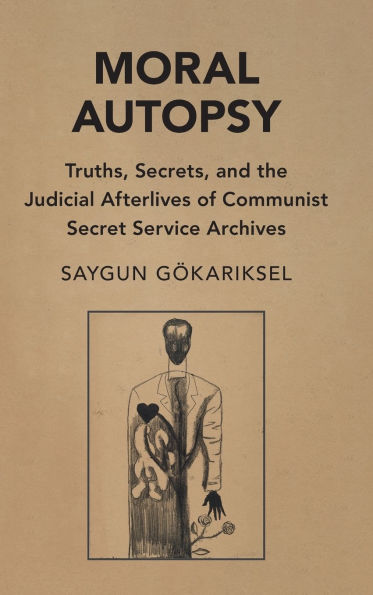
Moral Autopsy: Truths, Secrets, and the Judicial Afterlives of Communist Secret Service Archives in Chattanooga, TN
Current price: $140.00
Barnes and Noble
Moral Autopsy: Truths, Secrets, and the Judicial Afterlives of Communist Secret Service Archives in Chattanooga, TN
Current price: $140.00
Loading Inventory...
Size: Hardcover
While communism was proclaimed dead in Eastern Europe around 1989, archives of communist secret services lived on. They became the site of judicial and moral examination of lives, suspicions of treason or 'collaboration' with the criminalized communist regime, and contending notions of democracy, truth, and justice. Through close study of court trials, biographies, media, films, and plays concerning judges, academics, journalists, and artists who were accused of being communist spies in Poland, this critical ethnography develops the notion of moral autopsy to interrogate the fundamental problems underlying global transitional justice, especially, the binary of authoritarianism and liberalism and the redemptive notions of transparency and truth-telling. It invites us to think beyond Eurocentric teleology of transition, capitalist nation-state epistemology and prerogatives of security and property, and the judicialized and moralized understanding of history and politics.
While communism was proclaimed dead in Eastern Europe around 1989, archives of communist secret services lived on. They became the site of judicial and moral examination of lives, suspicions of treason or 'collaboration' with the criminalized communist regime, and contending notions of democracy, truth, and justice. Through close study of court trials, biographies, media, films, and plays concerning judges, academics, journalists, and artists who were accused of being communist spies in Poland, this critical ethnography develops the notion of moral autopsy to interrogate the fundamental problems underlying global transitional justice, especially, the binary of authoritarianism and liberalism and the redemptive notions of transparency and truth-telling. It invites us to think beyond Eurocentric teleology of transition, capitalist nation-state epistemology and prerogatives of security and property, and the judicialized and moralized understanding of history and politics.
You May Also Like














More About Barnes and Noble at Hamilton Place
Barnes & Noble is the world’s largest retail bookseller and a leading retailer of content, digital media and educational products. Our Nook Digital business offers a lineup of NOOK® tablets and e-Readers and an expansive collection of digital reading content through the NOOK Store®. Barnes & Noble’s mission is to operate the best omni-channel specialty retail business in America, helping both our customers and booksellers reach their aspirations, while being a credit to the communities we serve.
2100 Hamilton Pl Blvd, Chattanooga, TN 37421, United States
Find Barnes and Noble at Hamilton Place in Chattanooga, TN
Visit Barnes and Noble at Hamilton Place in Chattanooga, TN
