
Home
Mito de la ciudadanía, El
Barnes and Noble
Loading Inventory...
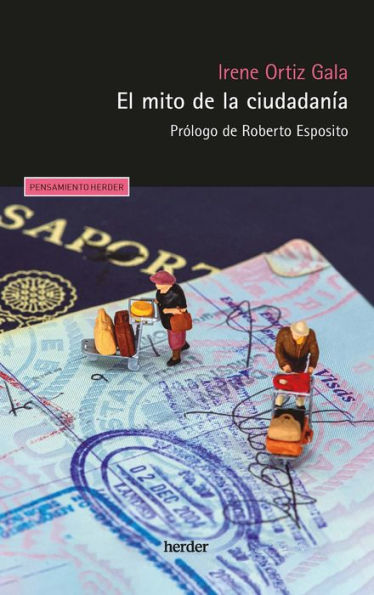
Mito de la ciudadanía, El in Chattanooga, TN
Current price: $23.95
Barnes and Noble
Mito de la ciudadanía, El in Chattanooga, TN
Current price: $23.95
Loading Inventory...
Size: Paperback
¿A qué nos referimos cuando hablamos de ciudadanía? ¿Quién puede ser un ciudadano? ¿Qué destino les espera a aquellos que no lo son en el país que residen? Muchas veces las preguntas sencillas encierran temas muy complejos. En este libro, Irene Ortiz despliega una investigación arqueológica en torno a los relatos que permitieron la constitución del dispositivo de la ciudadanía desde los pilares que establecieron Atenas y Roma hasta nuestros días. Con más de dos mil años de distancia, la ciudadanía sigue siendo la herramienta legal que permite al Estado distinguir entre quiénes son «miembros» y quiénes «extraños». Este ensayo presenta un diagnóstico de la ciudadanía, de su formación y de sus efectos. Sin embargo, no se trata solo de indagar qué papel desempeña el artefacto jurídico de la ciudadanía en la protección de la vida y qué implicaciones tiene en nuestra comprensión del mundo, se trata también de evaluar si esta narrativa puede seguir explicando y dando respuesta a la urgencia de nuestro presente —a los encarcelamientos, a los naufragios, a la violencia legitimada institucionalmente contra quienes no tienen un pasaporte «fuerte». Tal vez sea tiempo de ejercitar la imaginación política y construir nuevos relatos con los que pensar nuevos mundos más justos y habitables.
What do we mean when we talk about citizenship? Who can be a citizen? What fate awaits those not in the country where they reside? Many times simple questions contain very complex topics. In this book, Irene Ortiz deploys an archaeological investigation into the stories that allowed the constitution of the citizenship device from the pillars established by Athens and Rome to the present day. More than two thousand years ago, citizenship remains the legal tool that allows the State to distinguish between who are "members" and who are "strangers." This essay presents a diagnosis of citizenship, its formation and its effects. However, it is not only about investigating what role the legal artifact of citizenship plays in the protection of life and what implications it has in our understanding of the world, it is also about evaluating whether this narrative can continue to explain and respond to the urgency of our present—to the imprisonments, to the shipwrecks, to the institutionally legitimized violence against those who do not have a “strong” passport. Perhaps it is time to exercise the political imagination and build new stories with which to think about new, more just and habitable worlds.
What do we mean when we talk about citizenship? Who can be a citizen? What fate awaits those not in the country where they reside? Many times simple questions contain very complex topics. In this book, Irene Ortiz deploys an archaeological investigation into the stories that allowed the constitution of the citizenship device from the pillars established by Athens and Rome to the present day. More than two thousand years ago, citizenship remains the legal tool that allows the State to distinguish between who are "members" and who are "strangers." This essay presents a diagnosis of citizenship, its formation and its effects. However, it is not only about investigating what role the legal artifact of citizenship plays in the protection of life and what implications it has in our understanding of the world, it is also about evaluating whether this narrative can continue to explain and respond to the urgency of our present—to the imprisonments, to the shipwrecks, to the institutionally legitimized violence against those who do not have a “strong” passport. Perhaps it is time to exercise the political imagination and build new stories with which to think about new, more just and habitable worlds.
¿A qué nos referimos cuando hablamos de ciudadanía? ¿Quién puede ser un ciudadano? ¿Qué destino les espera a aquellos que no lo son en el país que residen? Muchas veces las preguntas sencillas encierran temas muy complejos. En este libro, Irene Ortiz despliega una investigación arqueológica en torno a los relatos que permitieron la constitución del dispositivo de la ciudadanía desde los pilares que establecieron Atenas y Roma hasta nuestros días. Con más de dos mil años de distancia, la ciudadanía sigue siendo la herramienta legal que permite al Estado distinguir entre quiénes son «miembros» y quiénes «extraños». Este ensayo presenta un diagnóstico de la ciudadanía, de su formación y de sus efectos. Sin embargo, no se trata solo de indagar qué papel desempeña el artefacto jurídico de la ciudadanía en la protección de la vida y qué implicaciones tiene en nuestra comprensión del mundo, se trata también de evaluar si esta narrativa puede seguir explicando y dando respuesta a la urgencia de nuestro presente —a los encarcelamientos, a los naufragios, a la violencia legitimada institucionalmente contra quienes no tienen un pasaporte «fuerte». Tal vez sea tiempo de ejercitar la imaginación política y construir nuevos relatos con los que pensar nuevos mundos más justos y habitables.
What do we mean when we talk about citizenship? Who can be a citizen? What fate awaits those not in the country where they reside? Many times simple questions contain very complex topics. In this book, Irene Ortiz deploys an archaeological investigation into the stories that allowed the constitution of the citizenship device from the pillars established by Athens and Rome to the present day. More than two thousand years ago, citizenship remains the legal tool that allows the State to distinguish between who are "members" and who are "strangers." This essay presents a diagnosis of citizenship, its formation and its effects. However, it is not only about investigating what role the legal artifact of citizenship plays in the protection of life and what implications it has in our understanding of the world, it is also about evaluating whether this narrative can continue to explain and respond to the urgency of our present—to the imprisonments, to the shipwrecks, to the institutionally legitimized violence against those who do not have a “strong” passport. Perhaps it is time to exercise the political imagination and build new stories with which to think about new, more just and habitable worlds.
What do we mean when we talk about citizenship? Who can be a citizen? What fate awaits those not in the country where they reside? Many times simple questions contain very complex topics. In this book, Irene Ortiz deploys an archaeological investigation into the stories that allowed the constitution of the citizenship device from the pillars established by Athens and Rome to the present day. More than two thousand years ago, citizenship remains the legal tool that allows the State to distinguish between who are "members" and who are "strangers." This essay presents a diagnosis of citizenship, its formation and its effects. However, it is not only about investigating what role the legal artifact of citizenship plays in the protection of life and what implications it has in our understanding of the world, it is also about evaluating whether this narrative can continue to explain and respond to the urgency of our present—to the imprisonments, to the shipwrecks, to the institutionally legitimized violence against those who do not have a “strong” passport. Perhaps it is time to exercise the political imagination and build new stories with which to think about new, more just and habitable worlds.
You May Also Like











More About Barnes and Noble at Hamilton Place
Barnes & Noble is the world’s largest retail bookseller and a leading retailer of content, digital media and educational products. Our Nook Digital business offers a lineup of NOOK® tablets and e-Readers and an expansive collection of digital reading content through the NOOK Store®. Barnes & Noble’s mission is to operate the best omni-channel specialty retail business in America, helping both our customers and booksellers reach their aspirations, while being a credit to the communities we serve.
2100 Hamilton Pl Blvd, Chattanooga, TN 37421, United States
Find Barnes and Noble at Hamilton Place in Chattanooga, TN
Visit Barnes and Noble at Hamilton Place in Chattanooga, TN
