
Home
Military History of Late Rome 284-361
Barnes and Noble
Loading Inventory...
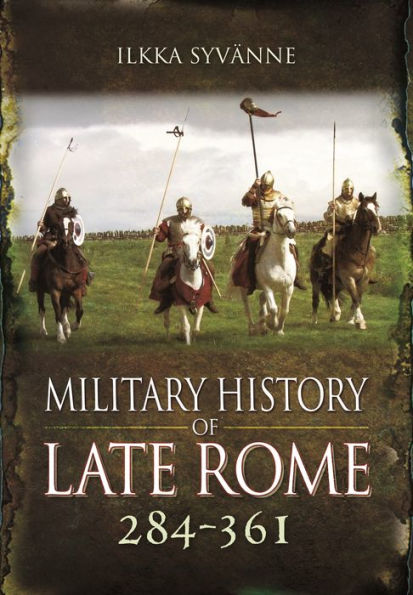
Military History of Late Rome 284-361 in Chattanooga, TN
Current price: $34.95
Barnes and Noble
Military History of Late Rome 284-361 in Chattanooga, TN
Current price: $34.95
Loading Inventory...
Size: OS
This ambitious series gives the reader a comprehensive narrative of late Roman military history from 284641. Each volume gives a detailed account of the changes in organization, equipment, strategy, and tactics among both the Roman forces and her enemies in the relevant period, while also giving a detailed but accessible account of the campaigns and battles.
Volume I covers the period 284361, starting with recovery from the 'thirdcentury crisis' and the formation of the Tetrarchy. Constantine's civil wars and stabilization are also major themes, with the pattern repeated under his sons. Constantius II's wars against the usurper Magnentius, the Danubian tribes, and the Sassanid Persians illustrate the serious combination of internal and external threats the Empire faced at this time. The author discusses these and the many other dramatic military events in their full context and puts forward some interesting conclusions on strategic and tactical developments. He argues, for example, that the Roman shift from infantry to cavalry as the dominant arm occurred considerably earlier than usually accepted. Anyone with an interest in the military history of this period will find it both informative and thoughtprovoking.
Volume I covers the period 284361, starting with recovery from the 'thirdcentury crisis' and the formation of the Tetrarchy. Constantine's civil wars and stabilization are also major themes, with the pattern repeated under his sons. Constantius II's wars against the usurper Magnentius, the Danubian tribes, and the Sassanid Persians illustrate the serious combination of internal and external threats the Empire faced at this time. The author discusses these and the many other dramatic military events in their full context and puts forward some interesting conclusions on strategic and tactical developments. He argues, for example, that the Roman shift from infantry to cavalry as the dominant arm occurred considerably earlier than usually accepted. Anyone with an interest in the military history of this period will find it both informative and thoughtprovoking.
This ambitious series gives the reader a comprehensive narrative of late Roman military history from 284641. Each volume gives a detailed account of the changes in organization, equipment, strategy, and tactics among both the Roman forces and her enemies in the relevant period, while also giving a detailed but accessible account of the campaigns and battles.
Volume I covers the period 284361, starting with recovery from the 'thirdcentury crisis' and the formation of the Tetrarchy. Constantine's civil wars and stabilization are also major themes, with the pattern repeated under his sons. Constantius II's wars against the usurper Magnentius, the Danubian tribes, and the Sassanid Persians illustrate the serious combination of internal and external threats the Empire faced at this time. The author discusses these and the many other dramatic military events in their full context and puts forward some interesting conclusions on strategic and tactical developments. He argues, for example, that the Roman shift from infantry to cavalry as the dominant arm occurred considerably earlier than usually accepted. Anyone with an interest in the military history of this period will find it both informative and thoughtprovoking.
Volume I covers the period 284361, starting with recovery from the 'thirdcentury crisis' and the formation of the Tetrarchy. Constantine's civil wars and stabilization are also major themes, with the pattern repeated under his sons. Constantius II's wars against the usurper Magnentius, the Danubian tribes, and the Sassanid Persians illustrate the serious combination of internal and external threats the Empire faced at this time. The author discusses these and the many other dramatic military events in their full context and puts forward some interesting conclusions on strategic and tactical developments. He argues, for example, that the Roman shift from infantry to cavalry as the dominant arm occurred considerably earlier than usually accepted. Anyone with an interest in the military history of this period will find it both informative and thoughtprovoking.
You May Also Like
















More About Barnes and Noble at Hamilton Place
Barnes & Noble is the world’s largest retail bookseller and a leading retailer of content, digital media and educational products. Our Nook Digital business offers a lineup of NOOK® tablets and e-Readers and an expansive collection of digital reading content through the NOOK Store®. Barnes & Noble’s mission is to operate the best omni-channel specialty retail business in America, helping both our customers and booksellers reach their aspirations, while being a credit to the communities we serve.
2100 Hamilton Pl Blvd, Chattanooga, TN 37421, United States
Find Barnes and Noble at Hamilton Place in Chattanooga, TN
Visit Barnes and Noble at Hamilton Place in Chattanooga, TN
